
Four Days After Her Son’s Emergency Birth, Aiyana DePew Died at 27 — Leaving Her Husband to Raise Their Two Boys
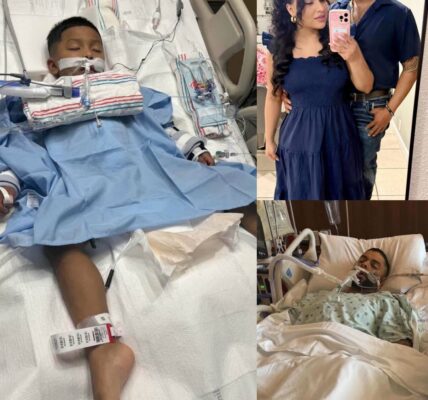
Aiyana DePew was twenty-seven, newly married, and preparing to welcome another son when a sudden medical emergency changed her family’s future. Her husband, Terry, took her to the hospital on September 17, 2026, where doctors delivered their baby, Sage, through an emergency cesarean section. Four days later, Aiyana died, leaving Terry grieving his wife while facing the responsibilities of caring for their two young boys.
According to a fundraiser organized for the family, Aiyana suffered a cerebral hemorrhage and never regained consciousness after the emergency delivery. Sage arrived approximately ten weeks early, bringing the family an unexpected birth amid a devastating crisis. Aiyana’s obituary confirms that she died on September 21, 2026, and identifies her surviving husband and sons as Terry, Jasper, and Sage.
Only months earlier, Aiyana and Terry had married in May and begun a new chapter together. They were already raising Jasper and looking forward to welcoming his little brother into their family. Their plans held the familiar expectations of young parents: adjusting to another baby, watching their children grow, and building a life around the people they loved.

Those expectations were interrupted when Aiyana became unwell and needed urgent medical care. The family’s account describes a hospital visit that became an emergency delivery late that night, followed by a catastrophic loss of consciousness. The publicly available information does not establish the underlying cause of the hemorrhage or support conclusions about whether the surgery or anesthesia caused it.
For Terry, Sage’s arrival and Aiyana’s medical crisis became inseparable events in the same period of his life. He had become the father of a second son while his wife remained unconscious. By September 21, the family was confronting a permanent absence where they had expected the beginning of another shared chapter.
There is no need to imagine conversations inside the hospital to understand the weight of those four days. The verified outline already contains the birth of a child, a mother’s critical condition, and her death at an exceptionally young age. What Terry and the wider family experienced privately belongs to them, beyond the limited details made public.
Aiyana’s story, however, began long before that emergency and deserves to extend beyond an account of how she died. Her obituary remembers her enthusiasm for the outdoors, her creativity in cooking, and the importance she placed on motherhood. These details offer a picture of someone whose life included movement, curiosity, practical talent, and close family relationships.
She enjoyed hiking, biking, and walking, finding pleasure in spending time outside. These were ordinary interests that gave shape to her days and reflected a desire to explore the world around her. Remembering them helps preserve Aiyana as a person with her own preferences and sources of happiness, rather than allowing the medical crisis to define her entirely.
Her love of cooking also became a project of her own through Pink Collar Eats. The business offered weekly meal preparation services, allowing her to share food she had made with people in her community. Her obituary describes that work as an expression of both her creativity and her enjoyment of making others happy through a meal.
A food business represents more than a name attached to a product. It involves planning, preparation, attention to other people’s needs, and the willingness to turn a personal interest into something others can use. Pink Collar Eats belongs in Aiyana’s remembrance because it records something she created, an effort that existed alongside her role within her family.

Motherhood was central to the way her loved ones described her. She took pride in Jasper’s growth and in the new things he was learning, while anticipating the arrival of Sage. That account preserves a mother’s attention to the small changes of childhood, the developments that can seem ordinary from outside a family but carry enormous meaning within it.
Jasper and Sage now face different beginnings in their lives without their mother. Jasper had already shared time with Aiyana, while Sage’s birth occurred during the emergency that preceded her death. As they grow, people who knew her will be able to share memories that help them understand her interests, her work, and the love described by her family.
Those memories need not be limited to major events or formal tributes. Stories about her cooking, her enjoyment of an outdoor walk, or her attention to Jasper’s learning can convey aspects of her personality. Together, such recollections can give the boys a fuller understanding of their mother than the circumstances of her death alone could ever provide.
Terry must carry his own loss while continuing to meet his children’s needs. Parenting involves repeated, practical responsibilities that continue even when a family is grieving, and his sons are both very young. The challenge is compounded by Sage’s early birth, which introduced medical care needs alongside the family’s sudden bereavement.

Shawn Werner organized the fundraiser, Standing with Terry and His Two Little Boys, to help address those practical pressures. The campaign lists memorial arrangements, medical expenses associated with the emergency and Sage’s neonatal intensive care, and everyday family needs among its purposes. It describes an effort by Terry’s workplace community and friends to provide support while he focuses on his children.
Financial help cannot replace Aiyana or resolve the grief caused by her death. It can address expenses that arrive regardless of whether someone has had time to absorb a loss. In that sense, the campaign’s purpose is concrete: to reduce some of the demands competing with Terry’s attention as he cares for Jasper and Sage.
The campaign also makes visible a need that can be overlooked when a tragedy is first reported. Condolences acknowledge the death, but a surviving family still has daily obligations after the initial messages have been sent. Support that continues beyond those first days can recognize both the person who died and the people whose lives have changed.
Aiyana’s death is particularly painful because the family was preparing for an arrival rather than a farewell. Sage’s birth should have opened a period of adjustment that his parents could navigate together. Instead, Terry’s experience of becoming a father again was followed within days by the loss of his wife, changing the meaning of that September forever.
Sage’s life should not be reduced to the tragedy surrounding his birth. He is a child with his own future, just as Jasper is, and both deserve room to grow beyond the events now defining their family’s public story. Remembering Aiyana can remain part of that future without making loss the only way her sons understand their beginnings.
Likewise, Terry’s grief should not be measured by expectations about how a father ought to respond. Caring for children and mourning a spouse can exist together without following a predictable timetable. The family deserves compassion that leaves space for its private experience, rather than demanding public demonstrations of strength or a particular explanation of what comes next.
Aiyana was a wife, mother, outdoor enthusiast, and cook whose life ended before she had the chance to continue those roles. At twenty-seven, she had created relationships and work that mattered while still having many possible years ahead. Her death leaves the sorrow of losing what already existed and the equally painful absence of everything that might have followed.
For Terry, Jasper, and Sage, the coming years will unfold with Aiyana’s memory carried by those who knew her. Her love of nature, the meals she prepared, and her devotion to family provide ways to remember the life behind the dates. Those offering condolences can honor her by keeping that fuller picture in view and extending kindness to the family she left behind.