Foster Mother Charged With Murder in Death of 10-Year-Old Malayshia Allford.9416

Her Family Wanted Her Home. Who Was Watching Over 10-Year-Old Malayshia Allford?
For more than a week, the search for 10-year-old Malayshia Allford centered on a question her family desperately wanted answered: Where was she? Police, federal agents, and community members searched after she was reported missing from West Philadelphia. The search ended across the Delaware River, where authorities found her body in the trunk of a car parked at an apartment complex in Lindenwold, New Jersey. On November 5, Philadelphia District Attorney Larry Krasner announced that her foster mother, 36-year-old Caprice Williams, had been charged with murder.
For a family that had been hoping for her safe return, the discovery brought a devastating answer and opened a new set of questions. Malayshia had been living in a foster home on North Simpson Street. Investigators would now have to reconstruct what happened inside that home and how her body came to be found in another state. Her death also raised a question that reaches beyond the criminal case: How was her safety being monitored while she was in foster care?
The days before the search
As investigators put together a timeline, two October dates took on different meanings. NBC10, reporting on the November 5 briefing, said Malayshia was last seen alive on October 22 at the West Philadelphia foster home. She was reported missing on October 26. Investigators said surveillance footage from the early hours of October 26 captured someone removing what they believe was her body from the home. The gap between when she was last seen alive and when she was reported missing is one of the most consequential parts of the timeline.
During the search, investigators questioned neighbors, reviewed surveillance footage, and used search dogs at the home where Malayshia was believed to have been living. Police publicly expressed concern that she could be at risk of harm. Philadelphia police worked with the FBI and authorities in Camden County, and community members joined the search. For more than a week, people were looking for a child they hoped could still be brought home.
While people searched for Malayshia, investigators say evidence was already pointing back to the home where she had been placed.
What prosecutors allege
Authorities found Malayshia’s body late Wednesday night in Lindenwold. Investigators said she had been transported in a different vehicle from the one in which she was found. A preliminary autopsy identified blunt-force trauma as the cause of death, according to WHYY’s reporting on the announcement. Prosecutors charged Williams with murder and related offenses, including endangering the welfare of a child, evidence tampering, and abuse of a corpse. Williams is presumed innocent, and prosecutors will have to prove their allegations in court.
Reports of injuries that raised concerns about possible earlier abuse give particular urgency to the questions about her care. The timing matters. An injury identified during a death investigation and an injury documented by someone while a child was alive raise different questions about who had an opportunity to intervene. The public accounts reviewed for this story do not establish when any suspected earlier injuries were first noticed, whether someone reported them while Malayshia was alive, or who received any such report. Those are facts a review of her care would need to establish.
Who was checking on Malayshia?
A review of Malayshia’s placement would begin with dates, records, and conversations. When did a caseworker last see her in person? Where did that visit take place, and did anyone speak with her privately? If a visit was scheduled but fell through, when was it rescheduled? A record showing that a worker spoke with a caregiver would answer one question. A record showing that someone spent time alone with Malayshia and asked how she was doing would answer another.
Her family’s experience belongs in that timeline, too. When did they last hear from her, and when did they learn she was missing? Who could they contact if they had questions about her welfare? If a relative reached out before the missing-person report, a review would need to establish what they said, when they said it, and what happened afterward. Those details could show whether a concern reached someone who had the authority to act.

Malayshia deserved a chance to speak privately with an adult who could listen to her and act on what she said.
The question of whether she ever told someone she was scared is painful precisely because the answer remains unclear. A careful account would consider who had regular contact with her, whether anyone noticed a change, and what opportunities she had to ask for help. A child’s own words, if documented, could be important. So could an adult’s account of a missed appointment, an unanswered call, or a concern shared with another office. Each detail would need to be checked against the dates and the people involved.
The criminal prosecution and a review of the placement would examine different decisions. Prosecutors will focus on what happened to Malayshia and whether the evidence supports the charges against Williams. A review of her care would ask how the placement was supervised and whether the people responsible for checking on her had the information they needed. It would also ask what they did with the information they had. The family’s questions about those decisions deserve answers of their own.

The little girl people remember
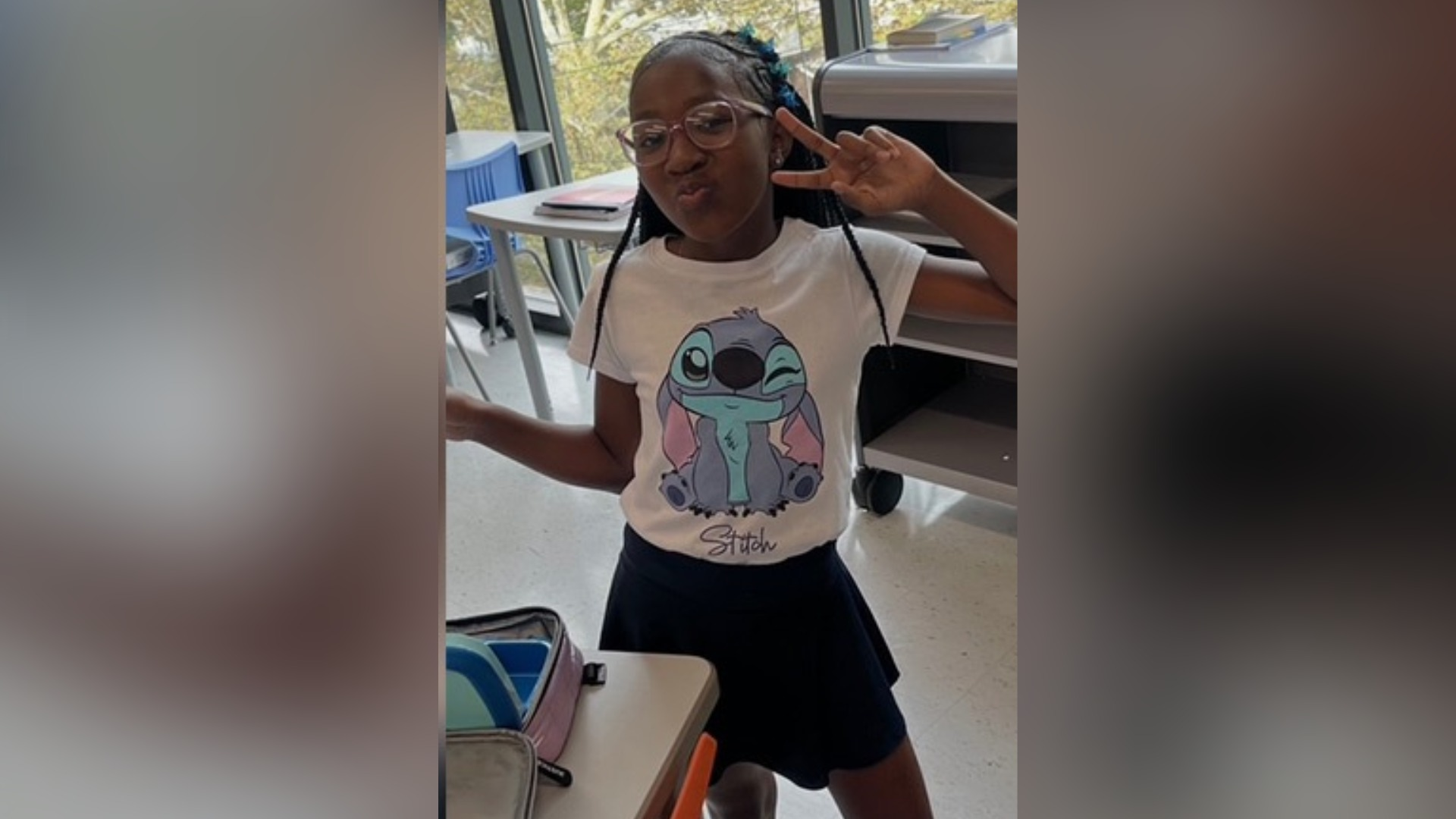
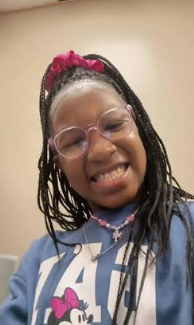
Before Malayshia’s name appeared in a missing-person alert, she was a student whom her former teacher, Tashonna Moore, remembered as sweet and kind. Moore told NBC10 that she cried when she learned Malayshia was missing and struggled to focus. That memory offers a glimpse of the little girl people knew before her name became part of a police briefing. For those who knew her, the hope behind the search was simple. They wanted to see her again.
At the briefing where authorities announced the charges, Pastor Alyn Waller spoke about what the case meant for a community responsible for looking after its children. Philadelphia Mayor Cherelle Parker also offered condolences to the family and pledged that authorities would work to establish the facts. For Malayshia’s loved ones, that promise will mean more when it comes with a clear account of the last days of her life and the decisions made by the adults responsible for her care.

Malayshia was only 10 years old, and she deserved to grow up.
The search began with a family wanting to know where she was. Now there are questions a case file, a witness, or a person who checked on her might help answer. Who last saw her safe? What did the people overseeing her care know at the time? What did they do when they learned she was missing? For a family that spent days hoping to bring Malayshia home, those answers matter. And for every child living in a foster home tonight, there is a question worth asking now: Who will see that child in person, hear how things are going, and come back to make sure they are safe?