A Father of Four Went Out for Coffee. His Last Call Came From a Flooded Truck..9417

A Father of Four Went Out for Coffee. His Last Call Came From a Flooded Truck.
At about 8:51 a.m. on Monday, November 2, 2026, Stacy Petit Bennett answered a FaceTime call from her husband. Joshua Bennett had gone out for coffee in Palm Bay, Florida. By the time he called, floodwater surrounded his pickup truck, and he told her he could not get out. Stacy could hear him crying. She urged him to break a window, hoping he could find a way out before the water rose any higher. Then the call dropped.
Stacy called 911 and spent hours trying to get help. When she later spoke to WESH 2 News, she recalled Joshua describing the water around him as though he were in the middle of a river. The family said he could open neither the doors nor the windows. Once the connection was gone, Stacy had no way to know if he had managed to escape. Joshua, 34, died that day. He and Stacy had four children, a son and three daughters.
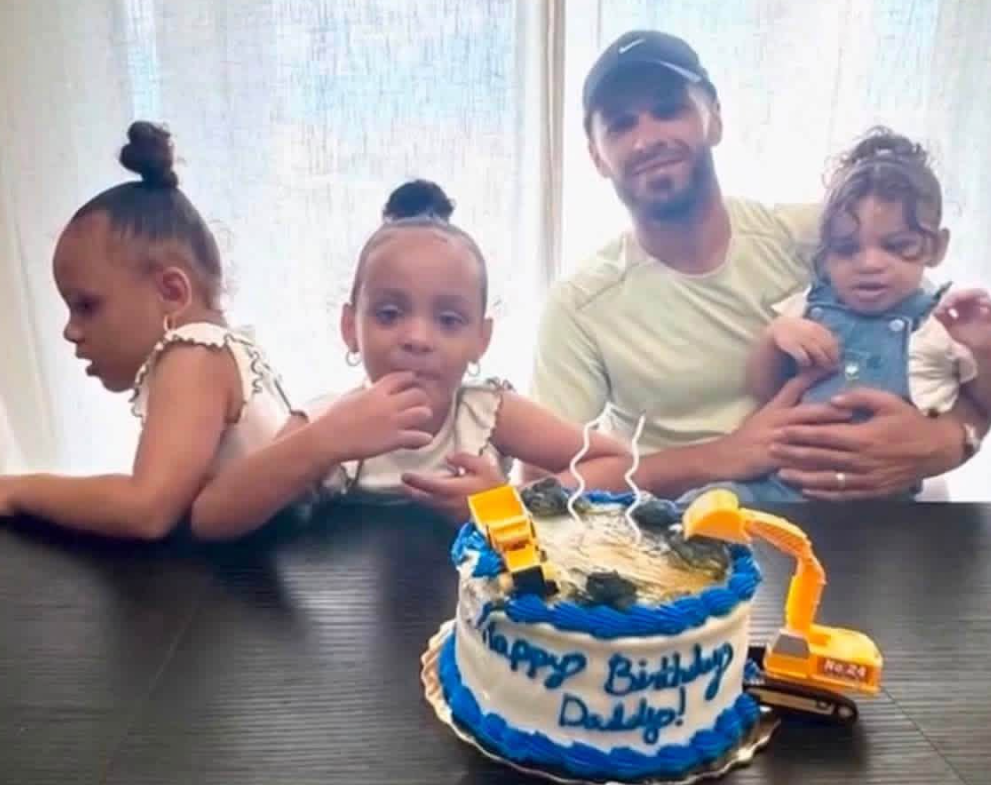
The last time Stacy heard Joshua’s voice, she was trying to help him get home to their children.
The morning Palm Bay flooded
Across Palm Bay, the rain was making familiar streets difficult to recognize. Water covered roads, entered homes, and forced some residents to leave. Mayor Rob Medina said Monday that about 20 inches of rain had fallen over the previous 14 hours. As emergency crews responded to calls, the city urged people to stay indoors and off the roads. In some neighborhoods, residents found themselves stranded while the water continued to rise.
At a briefing the next day, city officials identified Joshua and 78-year-old Archie Richards as the two people who died during the flooding. Richards was found in his vehicle, according to reporting on the Brevard County Sheriff’s Office response. Across the city, residents were beginning to see what the storm had done to their homes and streets. For Stacy, the morning would be measured by the time her husband called, the moment the screen went silent, and the hours that followed as she tried to reach someone who could get to him.
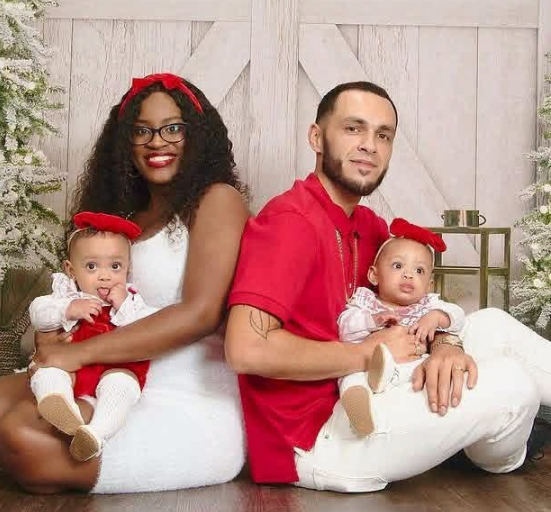
The life Joshua and Stacy built together
Long before they were raising four children, Joshua and Stacy met in college, where both were studying biology on a pre-med track. Years later, their life together included the work of raising a son and three daughters and the pleasure of finding things to do as a family. When Stacy spoke about Joshua after his death, she remembered how much he liked being with the children. His relatives described him as generous and adventurous, someone who wanted the people around him to feel comfortable and cared for.
Some of the memories the family shared were simple. Joshua liked baking with his children. He also liked taking them out on the water on a Jet Ski. A day in the kitchen and a day outside offered different kinds of fun, but in both memories Joshua was right there with them. Those are the moments his family chose to share when people began asking who he was. His children knew the sound of his voice in those settings, too, in a life full of conversations and small moments that belonged to them.
The family had also faced difficult stretches together. Their twin daughters were born prematurely and needed specialized medical attention. Relatives say all three of Joshua and Stacy’s daughters have disabilities and need ongoing care. The support they receive is part of the rhythm of the household. After Joshua’s death, preserving that care became one of the family’s most urgent concerns, alongside finding a safe and stable place for Stacy and the children to live.

Joshua’s children will remember the dad who baked with them, took them out on the water, and loved spending time with them.
What the family needs now
Stacy described the days ahead as starting from scratch. “I don’t have my support system,” she said. “They don’t have their father.” In two sentences, she put words to the different losses inside the same household. She had lost the person with whom she had built a life and raised four children. The children had lost the father they expected to see at home. As the family began grieving, decisions about housing and care were already waiting for them. dMe campaign called In Memory of Joshua Bennett. The family says the money will help Stacy and the children with housing, ongoing care, and other needs following Joshua’s death and the flooding. Their priorities are specific. They want the children to have a secure place to live and the girls to continue receiving specialized support as the household adjusts. Those needs will extend beyond the immediate cleanup and recovery in Palm Bay.
In practical terms, stability means keeping some parts of the children’s lives familiar while so much else changes. It means having a place to come home to and being able to count on the care they already depend on. For Stacy, it means having help with those responsibilities while she grieves the person she used to share them with. The fundraiser gives people who have heard Joshua’s story a way to help with the needs his relatives have identified.

The water will recede, but four children will still be learning how to live without their dad.
Joshua’s final call lasted only a small part of the morning, and it was the part Stacy shared so others could understand how quickly the emergency unfolded. The memories she and her relatives shared afterward reach much further back. There was the young man she met in college, the partner with whom she built a family, and the father who made time for an afternoon in the kitchen or a day on the water. Those memories belong to a family that expected to have many more years together. In the weeks ahead, Stacy and the children will carry them into a life that suddenly looks very different.
I’ll share the link to the family’s fundraiser in the comments. Stacy and her family are grateful for any donation that helps the children have a stable home and keeps the care they need within reach.