A Toddler Died in a Freezing Home—Nearly 10 Months Later, Her Father Faces Manslaughter Charges.9375

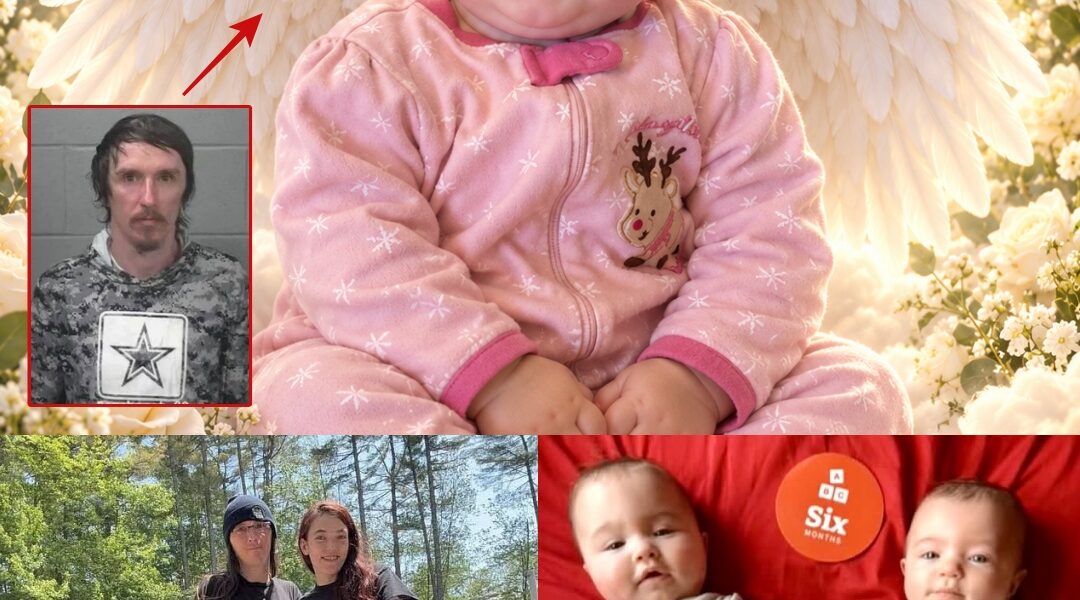
Eleanora Ray McLaughlin was only 13 months old when she died inside a home where authorities say the winter cold had become dangerously severe. Her father, Shane McLaughlin, later acknowledged that he could see his breath inside the residence. Nearly ten months after her death, he was arrested on charges that now place the family’s circumstances before a criminal court.
The toddler was found unresponsive at the family’s Milford, Maine, home on December 28, 2025. Her twin sister and three-year-old brother were also living there, reportedly without adequate heat or running water. What happened inside that house has since raised questions about parental responsibility and the response of agencies entrusted with protecting children.
According to investigators, the children slept in a bedroom warmed by a single electric space heater. McLaughlin said he was the only adult home when Eleanora died and described discovering her when he went to wake her. His account offered a devastating glimpse into the morning when an ordinary task became the discovery of his daughter’s death.
McLaughlin told News Center Maine that he had opened a package of breakfast food before going to wake Eleanora. He also recalled that an animal had entered the bedroom, leaving the door open, and that the air was cold enough for his breath to become visible. Those statements became part of the public account surrounding her death.
Outside, the winter weather was bitterly cold, with nearby Bangor recording a daytime high of approximately 28 degrees Fahrenheit. The overnight low was around 13 degrees, according to the weather information cited in reports. Inside the home, investigators examined whether the available heating and living arrangements had provided adequate protection for three very young children.

The Maine State Police Major Crimes Unit began investigating after Eleanora’s death. In April 2026, the Office of Chief Medical Examiner determined that she had died from hypothermia. The medical examiner classified her death as accidental, while investigators continued examining the circumstances and the responsibilities of the adult caring for her.
That classification did not bring the investigation to an end. Months later, a grand jury indicted McLaughlin on one count of Class A manslaughter and three counts of child endangerment. Prosecutors allege that he recklessly failed to provide appropriate care and protection for Eleanora and her two siblings.
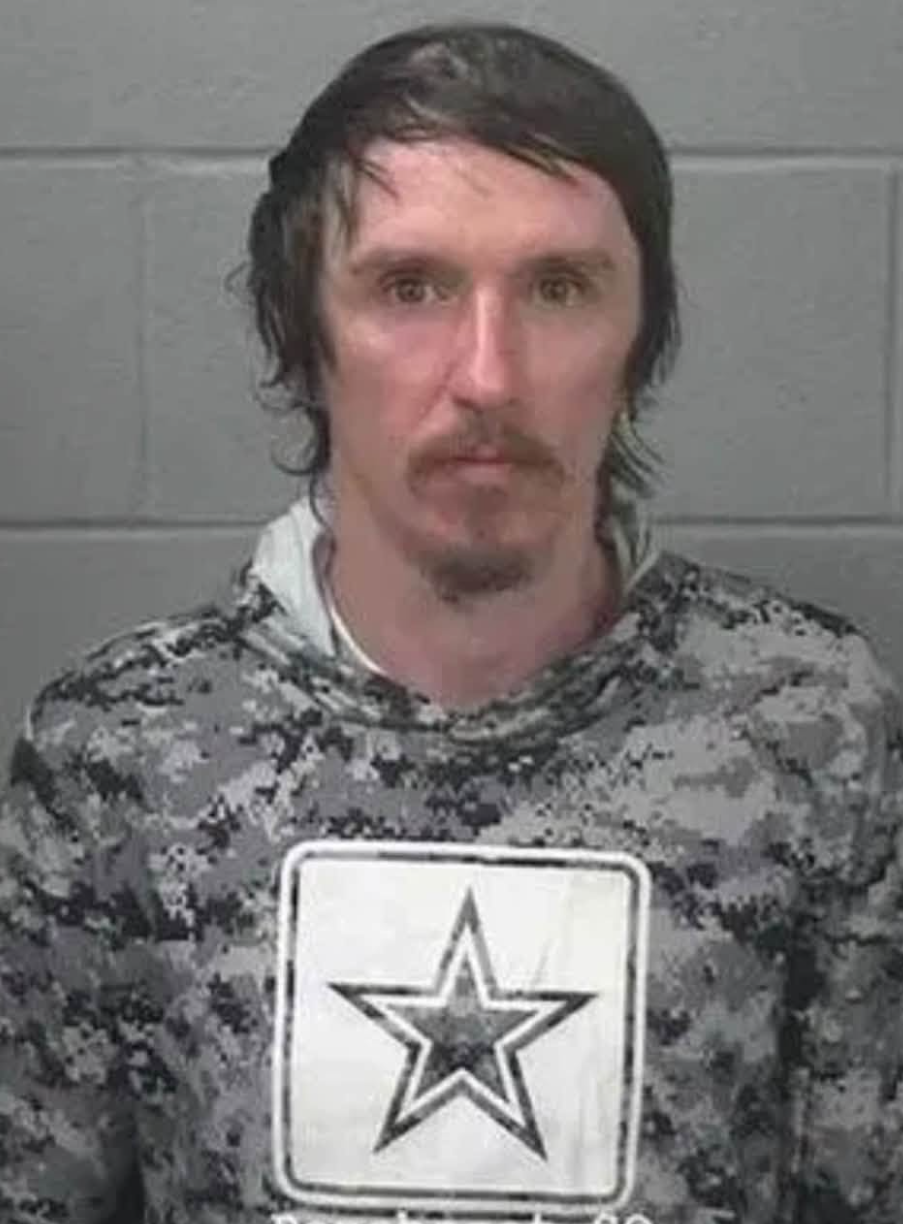
McLaughlin, 37, was arrested on Wednesday, October 28, 2026, nearly ten months after his daughter was found. He appeared in Penobscot County Superior Court two days later and pleaded not guilty to every charge. The allegations remain to be tested in court, and his arrest does not establish his guilt.

As the prosecution proceeds, another part of the story has drawn scrutiny from lawmakers and the public. Reports indicate that the Maine Department of Health and Human Services had previously investigated concerns involving the children. Eleanora’s mother, Erika Dupuis, said an investigation involving the twins was closed just six days before the death.
According to Dupuis, that closure occurred on December 22, 2025. The short interval between the reported decision and Eleanora’s death has become central to questions about whether warning signs received sufficient attention. However, the account provided does not establish the complete contents of the agency’s records or every action its employees took.
State Senator Jeffrey Timberlake publicly challenged the agency’s handling of the family’s situation. He questioned how a case could be closed when the home reportedly lacked heat and running water. He also raised concerns about the family apparently relying on one bedroom and an electric heater during the winter.
Timberlake was among three lawmakers who sought additional information from the department. Their questions focused attention on what officials knew, how the conditions were assessed, and whether further intervention should have occurred. Those issues require a careful examination of records and decisions rather than assumptions based solely on the outcome.
For Eleanora’s family, the legal and institutional questions exist alongside the loss of a child. She was at the beginning of life, dependent on adults for shelter, warmth, food, and protection. Her death leaves an absence that cannot be resolved by an indictment, a hearing, or an explanation of agency procedures.
Her twin sister and older brother were also part of the household under investigation. Their presence is reflected in the three child endangerment charges, which concern the care allegedly provided to all three children. Details about their current circumstances were not included in the account, and their privacy deserves protection.
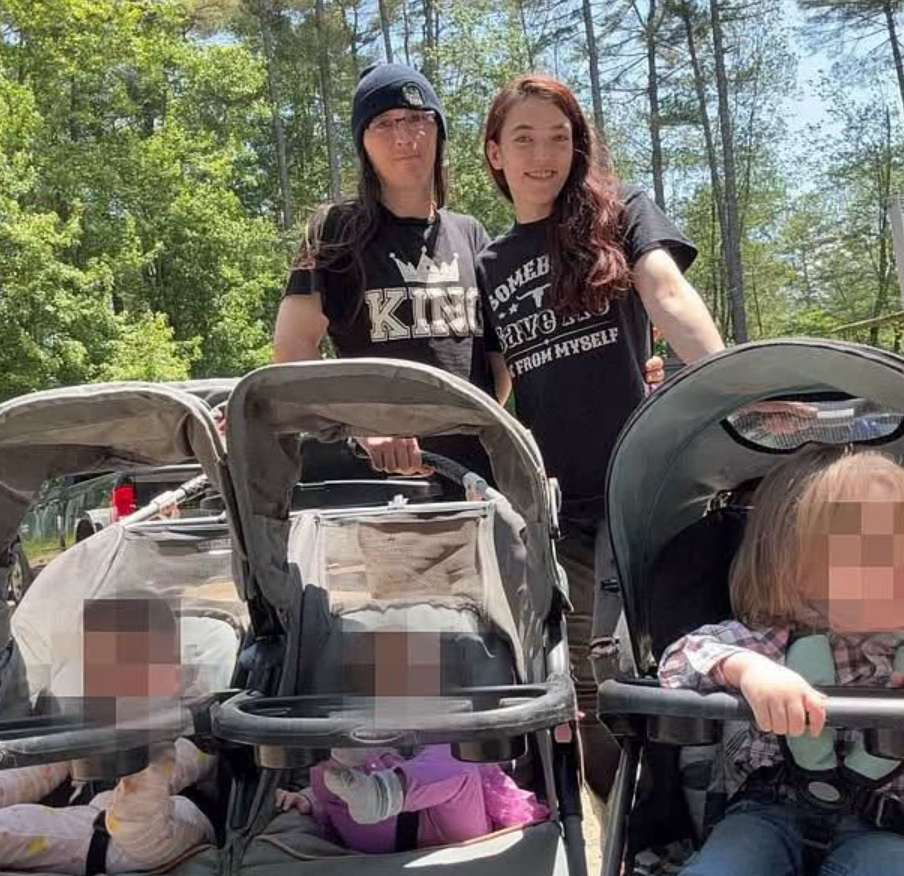
Dupuis had moved to West Virginia during the summer of 2025 while the children remained with their father in Maine. In April, she expressed frustration that criminal charges had not been filed against McLaughlin. After his October arrest, however, she offered a statement describing the difficulties he had faced during their separation.
She said he had been struggling with depression, caring for three young children, and concerns about his own mother’s health. Dupuis characterized Eleanora’s death as a terrible family tragedy and asked people to stop publicly condemning him while he grieved. Her statement adds context to the family’s experience without settling the allegations prosecutors have brought.
The contrast between her earlier frustration and later appeal reflects the complexity of this loss. A family can seek accountability while also expressing concern for someone facing prosecution. Neither response removes the need to establish what happened or diminishes the importance of remembering Eleanora.
McLaughlin remained at the Penobscot County Jail on bail set at $250,000, according to the account. His attorney, Seth Levy, requested a bail hearing, while the Maine Attorney General’s Office took responsibility for prosecuting the case. Those proceedings will address legal questions that remain unresolved following his not guilty pleas.
Eleanora’s story now involves a criminal prosecution, scrutiny of child protection decisions, and a family living with irreversible loss. Each part deserves attention grounded in evidence and respect for those affected. At its center remains a little girl whose life ended before she had the chance to grow.
She deserves to be remembered beyond the conditions of the house where she died. Her surviving siblings deserve care, stability, and privacy as the adults and institutions involved face difficult questions. And everyone seeking answers owes her a commitment to facts, accountability, and compassion.