WHY THIS REMASTERED GAME OF DEATH FOOTAGE SHOWS BRUCE LEE’S UNFINISHED VISION IN STUNNING FOCUS

WHEN A DEDICATED RESTORATION BRINGS TOGETHER ALTERNATE TAKES FROM A WARRIOR’S JOURNEY AND BRUCE LEE IN G.O.D., YOU GET OVER THIRTY MINUTES OF RAW MARTIAL ARTS ARTISTRY THAT NO MODERN CGI CAN EVER TOUCH.
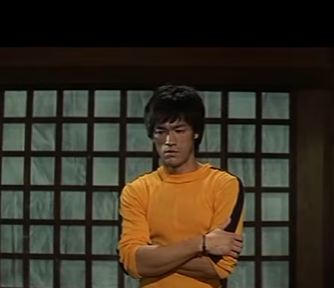
Restoring An Unfinished Masterpiece This thirty-three-minute restoration pieces together footage originally conceived for Game of Death, drawing from alternate takes across A Warrior’s Journey and Bruce Lee in G.O.D. Even though alternate angles and takes mean the cut cannot be frame-exact, the effort shines a light on how Bruce Lee planned to build escalating tension floor by floor inside a multi-level tower. Before engaging, Lee sets clear boundaries in English, asking to clear space so the two fighters have room to groove and telling bystanders to stay away from the stairway. That calm, deliberate command sets a sharp tone right before physical movement takes over the room. Watching these restored stretches lets fans see Bruce Lee not merely as a fighter, but as a creative architect testing new ideas on film. Every shift in stance and camera framing reflects a filmmaker pushing martial arts cinema toward greater realism and rhythm.
Bamboo Reach And Broken Rhythm One of the most compelling segments in the restoration centers on bamboo and the danger of relying on rigid, rehearsed routines. Lee points out that a bamboo stalk is longer, more flexible, and very much alive compared to stiff patterns that fall behind when speed and elusiveness enter the picture. He explains how hard it is to make a rehearsed routine fit against broken rhythm because fixed choreography lacks the flexibility to adapt on the fly. When the action kicks into gear, fluid footwork, sudden angle shifts, and sharp strikes show that philosophy in real time. Instead of repeating predictable dance steps, Lee reads openings and disrupts timing with crisp, economical bursts. It turns a martial arts duel into a visual lesson on adaptability and presence.
Red Warnings And Escalating Tests As the climb moves into new rooms, visual cues like the color red warn that danger is rising and that anyone valuing life should turn back downstairs. Lee delivers that warning with calm authority, reminding challengers that life is precious before the physical storm breaks loose. Once the fighting resumes, punches snap, kicks whip through the air, and close-quarters exchanges test both speed and stamina. Each encounter feels grounded in real athleticism and clear spatial blocking rather than weightless wire acrobatics or cluttered edits. You can feel the kinetic force behind every strike as the rooms shift from quiet standoffs to high-intensity motion.
Stamina, Defiance, And Facing Death As fatigue sets in during the grueling climb, even a tough opponent admits the pace is wearing him down while refusing to back away. When asked why continue instead of letting someone pass, the response cuts straight to the heart of the scene—neither fighter is letting the word death intimidate him. Words like “same here, baby” and reminders of not fearing death give the battles a sharp, defiant edge. Every punch and kick feels heavier when exhaustion meets stubborn pride in a confined space. By the time the final stretches wind down, the sequence leaves a strong impression of grit, endurance, and unyielding spirit.
Behind The Restoration And Legacy Created by OldPangYau as a labor of love comparing and blending takes from A Warrior’s Journey and Bruce Lee in G.O.D., this edit invites viewers into the fascinating puzzle of Bruce Lee’s unfinished pagoda concept. Behind the original filming, Lee sought to pair philosophical insight with fast, readable martial arts action that felt alive rather than overly staged. Watching these restored sequences today highlights the raw physical speed, sharp timing, and unmistakable charisma he brought to every frame. Even across shifting angles and alternate cuts, the core magnetism of his movement remains front and center.
Why Nearly Three Million Viewers Keep Rewatching With close to three million views on this upload alone, the clip continues to attract martial arts fans who love exploring the deeper history behind Bruce Lee’s final film project. Modern action movies often bury viewers under rapid-fire editing and digital spectacle that blur together minutes after a scene ends. Here, the action hooks you with long stretches of physical movement, memorable lines on rhythm and danger, and a rare glimpse into an ambitious creative vision. Fans love comparing takes, studying the footwork, and reliving moments that never made a conventional theatrical cut. It stands as a rewarding watch for anyone fascinated by classic action cinema and martial arts history.
Do not miss your chance to explore over thirty minutes of restored Game of Death pagoda footage from clear space to final exchanges. Hit play on the video below right now and watch the entire remastered sequence unfold for yourself.