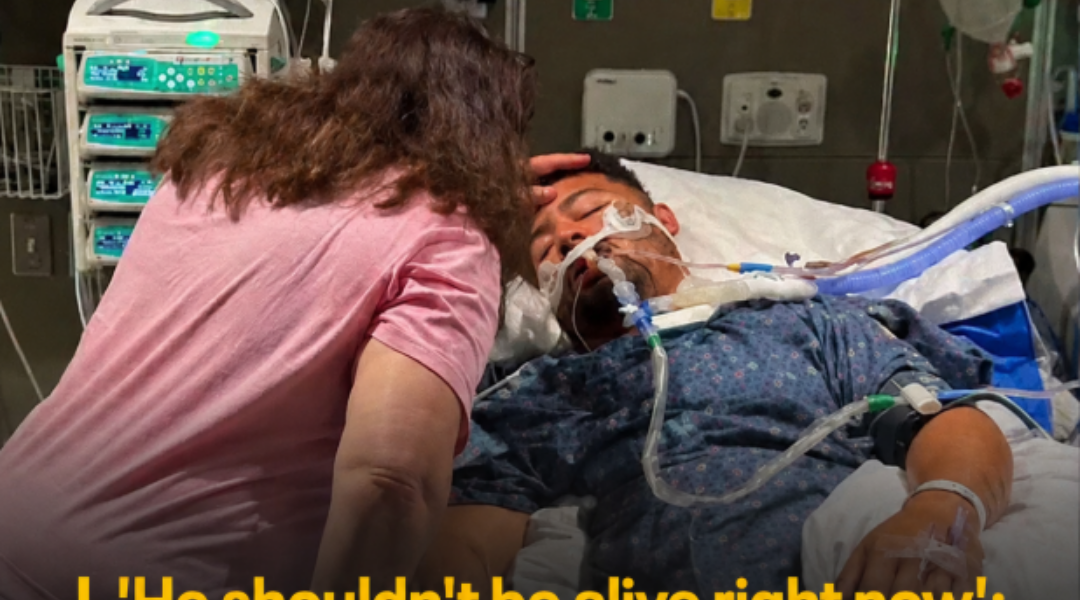

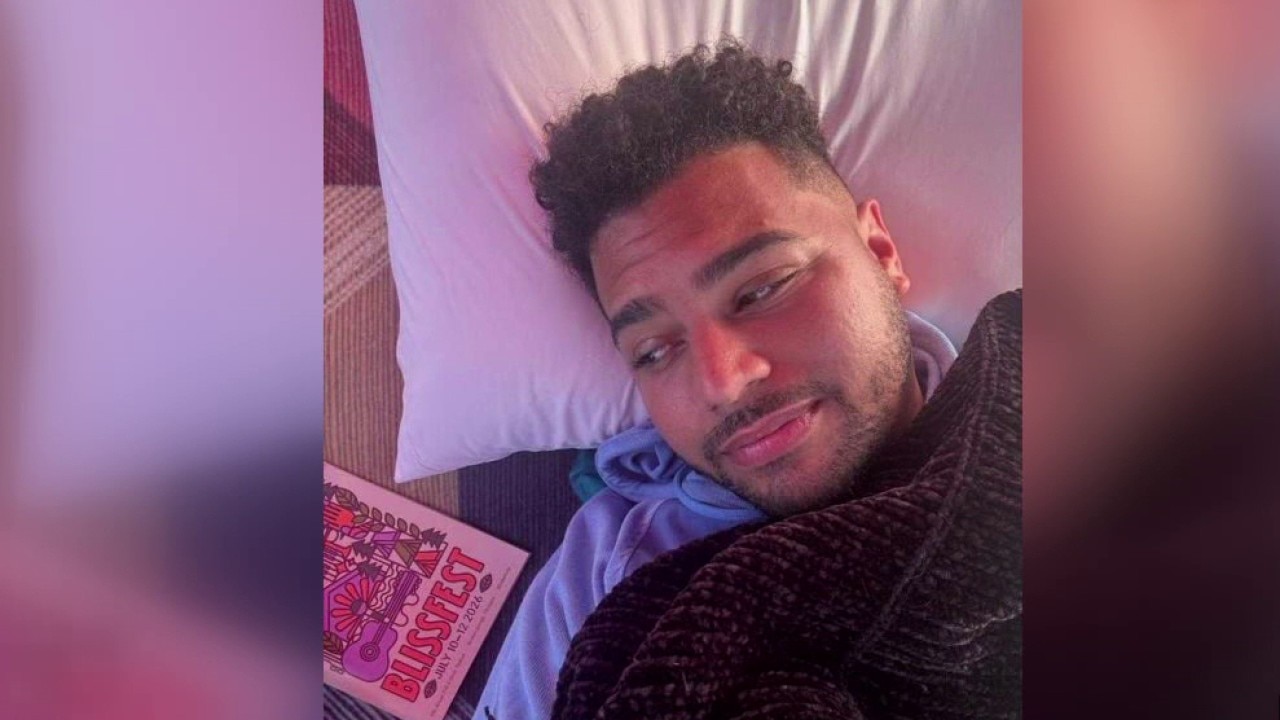
What was supposed to be a weekend filled with music, dancing, and celebration turned into a nightmare for 37-year-old Lonn Hartman. More than a week after Hartman was found critically injured at Blissfest in Northern Michigan, he remains in intensive care, unable to speak and communicating with loved ones largely by blinking his eyes. His friends and family now believe the brutal assault may have been targeted—and possibly motivated by hate.
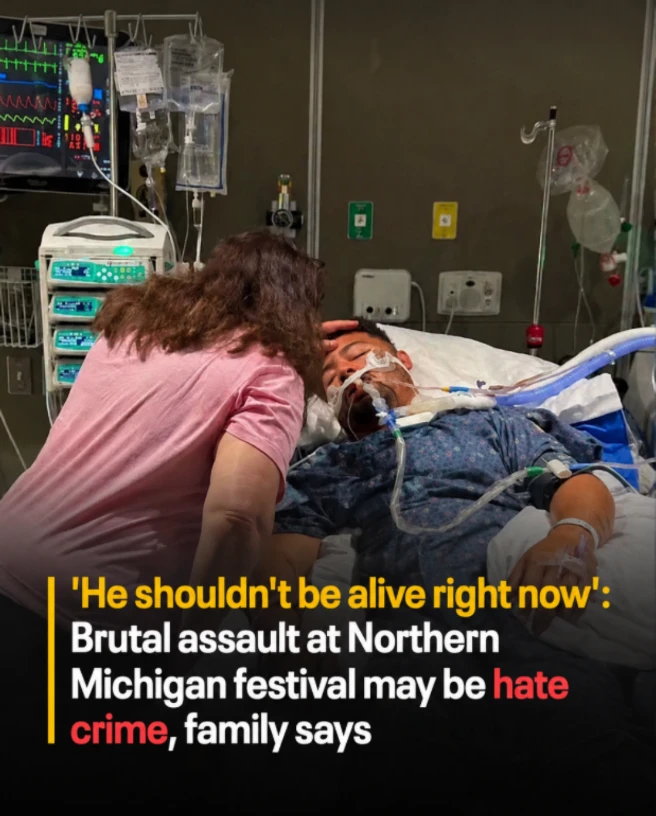
The most chilling detail came from a message Hartman sent before he was discovered. According to those close to him, Hartman texted his family the night before the attack and said he did not feel safe. Hours later, he was found hanging partially out of his tent with devastating injuries near his neck and an extraordinary amount of blood loss.
Hartman had traveled to the Harbor Springs area with his dance partner and several others to perform at Blissfest, an annual folk and roots music festival held in Northern Michigan. The 2026 festival ran from July 10 through July 12 and featured more than 100 musical acts and thousands of visitors gathering across a 200-acre festival property.
According to Hartman’s friend Terace Garnier, Hartman finished performing and went to bed early on the evening of Saturday, July 11. Nothing at that moment suggested that within hours he would be fighting for his life.
The following morning, at around 9 a.m., Hartman was reportedly discovered hanging out of his tent. Garnier said he had two severe cuts near his neck and had lost approximately eight pints of blood.
The extent of the blood loss stunned those around him. Garnier recalled that medical personnel essentially told the family it was remarkable that Hartman had survived at all.
“He shouldn’t be alive right now,” became the frightening reality surrounding his condition.
Hartman was rushed for emergency medical treatment and eventually placed in intensive care. More than a week after the incident, he reportedly remained hospitalized in critical condition. He had not been able to speak and instead communicated with his family and investigators by blinking his eyes.
For those who know Hartman, the violence is almost impossible to understand.
Friends describe him as generous, caring, and the type of person who would immediately help someone else in need. Garnier said anyone familiar with Hartman would describe him as someone willing to give another person “the shirt off of his back.”
That description has only deepened the disbelief surrounding the attack. Those closest to him are struggling with the same question: who would want to hurt someone they describe as gentle and kind—and why?
Authorities have not publicly announced a motive.
The Emmet County Sheriff’s Office is actively investigating what happened and has reportedly collected multiple pieces of evidence connected to the case. Those items have been sent to the Michigan State Police Crime Lab for forensic examination.
Investigators are expected to rely heavily on forensic testing as they attempt to reconstruct what happened during the hours between Hartman going to sleep and his discovery the following morning. Evidence recovered from the campsite could potentially contain fingerprints, DNA, blood evidence, fibers, or other material capable of identifying whoever was involved.
Police have also established a dedicated tip line and email address for information related specifically to the Blissfest investigation.
Authorities have emphasized that investigators remain in regular communication with Hartman’s family. According to the sheriff’s office, officials have spoken with his mother, father, and partner and have attempted to keep them informed while avoiding the release of information that could jeopardize the investigation.
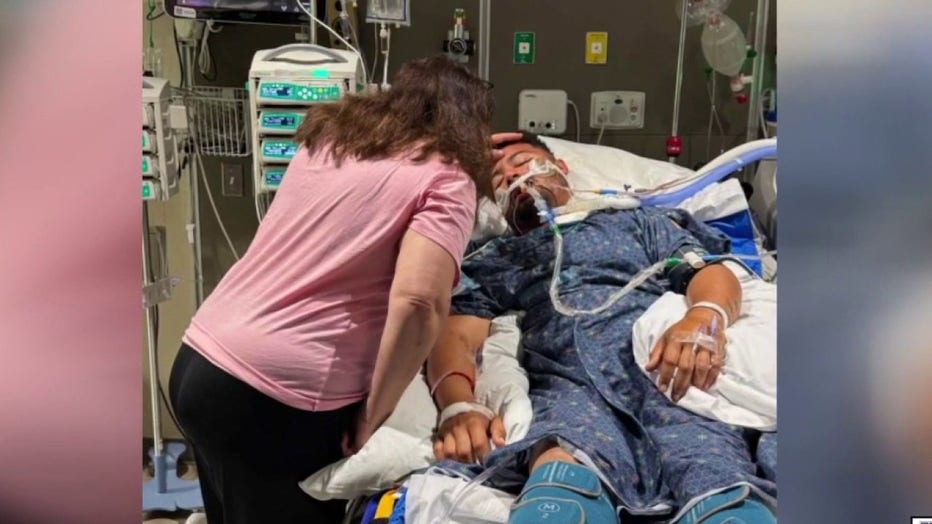
Still, investigators have not publicly said whether they have identified a suspect.
That uncertainty has caused growing concern among Hartman’s friends.
Garnier believes the attack was not random. Based on what friends say they have learned about the circumstances, she fears Hartman may have been specifically targeted.
“He did not deserve this,” she said, adding that the information gathered by those close to him has caused them to believe the assault “could’ve been a hate crime.”
Police, however, have not publicly confirmed that conclusion.
The distinction is important. For an incident to formally be treated as a hate crime, investigators generally need evidence suggesting that the victim was targeted because of a protected characteristic. At this stage, authorities have not announced evidence establishing such a motive, and the investigation remains ongoing.
Friends nevertheless say the possibility cannot be ignored.
Another friend, Alicia Cohen, said she fears that whoever attacked Hartman could still represent a danger to others.
“No one deserves this,” Cohen said, arguing that any family would demand answers if their loved one were attacked in such a brutal way. She also expressed concern that the person responsible may still be somewhere in the community.
That possibility has added another level of anxiety to an already disturbing case.
Blissfest is typically associated with music, community, and a peaceful outdoor atmosphere. According to the festival organization, the three-day event brings approximately 5,000 attendees to its 200-acre Festival Farm and features more than 125 acts across numerous performance spaces. The festival’s official information describes the gathering as a celebration of music, culture, art, and community.
The violence involving Hartman therefore stands in shocking contrast to the environment many attendees expect when they arrive.
As detectives continue examining evidence, Hartman’s condition remains the central concern for his loved ones.
Every day in intensive care represents another step in a recovery that may be long and uncertain. The severity of his injuries and extraordinary blood loss illustrate how close the attack may have come to becoming fatal.
His inability to speak has also complicated the investigation.
Hartman may be one of the only people who knows exactly what happened that night. But because of his medical condition, investigators have limited options for obtaining his account. Reports that he has communicated through blinking suggest authorities and family members may be trying to gather information in whatever way his condition allows.
Whether Hartman saw his attacker, recognized the person, or can eventually describe what happened could become crucial to solving the case.
There is also the haunting message he sent before the attack.
Hartman’s statement that he did not feel safe may ultimately become one of the most important clues investigators have. Detectives could examine who was around him that evening, whether there had been any confrontation earlier at the festival, whether anyone threatened him, and what exactly caused him to become concerned enough to contact his family.
That timeline may hold the key.
Did Hartman notice someone watching or following him? Had an argument occurred after the performance? Did he receive a threatening message? Or was his fear connected to something that happened inside the festival grounds shortly before he returned to his tent?
Those questions remain unanswered.
Police are asking anyone who attended Blissfest and may have seen something unusual to come forward. Even information that appears insignificant could prove important when combined with other evidence.
Anyone with information can contact investigators through the dedicated email address blissfestinvestigation@emmetcounty.org or by calling 231-348-0605. Information can reportedly be provided anonymously.
Hartman’s family has also established a GoFundMe to help with expenses connected to his hospitalization and recovery.
For now, his friends are focused on hoping he survives and eventually regains the ability to communicate normally.
But as Hartman continues fighting inside the intensive care unit, another urgent question remains outside the hospital: who attacked him?
The answer may lie somewhere among the thousands of people who attended Blissfest—or in the evidence now being examined at the crime lab.
And perhaps the most unsettling clue of all is still the message Hartman sent just hours before he was found: he did not feel safe.
