
Derek Chauvin Files New Appeal After Judge Rejects Bid for New Trial in George Floyd Case.978

Former Minneapolis police officer Derek Chauvin has launched another legal challenge to his state murder conviction in the death of George Floyd, appealing a Minnesota judge’s decision that rejected his latest request for post-conviction relief and a new trial. Chauvin was convicted by a jury in April 2021 of second-degree unintentional murder, third-degree murder and second-degree manslaughter after Floyd died during his arrest in Minneapolis on May 25, 2020. Chauvin was later sentenced to 22½ years in state prison.
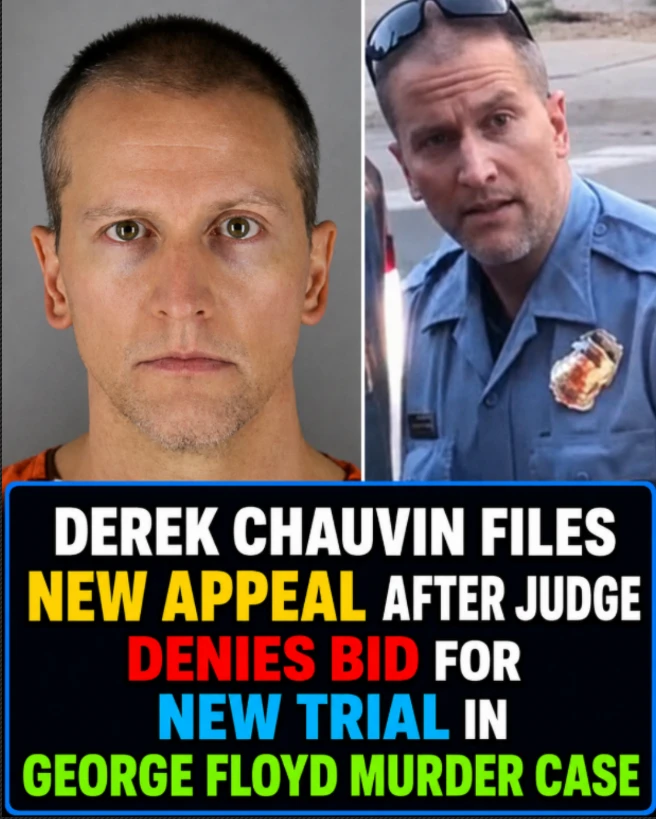
The latest appeal does not mean Chauvin has been granted a new trial. Instead, his attorneys are asking a higher court to review the judge’s rejection of the arguments raised in his post-conviction petition. According to reporting on the court filings, Chauvin filed his notice of appeal on June 29, 2026, challenging a May 1 order that denied relief. The judge concluded that none of the claims presented in the petition justified overturning the conviction or ordering another trial.
At the center of Chauvin’s latest legal effort are renewed challenges to the evidence presented during his original trial. His legal team argues that testimony concerning Minneapolis Police Department training and tactics was inaccurate and that prosecutors improperly relied on interpretations of video evidence. The defense is also challenging aspects of the medical evidence surrounding Floyd’s death. These remain defense claims being litigated; they have not been accepted by a court as proof that Chauvin was wrongly convicted.
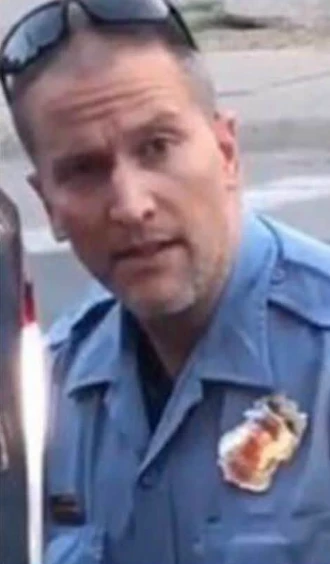
Medical evidence was one of the most heavily contested issues at Chauvin’s 2021 trial. Prosecutors presented experts who testified that police restraint caused Floyd to suffer a fatal lack of oxygen. Floyd had been handcuffed and restrained face-down while Chauvin maintained his position for approximately nine and a half minutes. Prosecutors argued that the restraint prevented Floyd from breathing adequately and ultimately caused his death.
The defense offered a different interpretation during the trial, emphasizing Floyd’s underlying health conditions and the drugs found in his system. Chauvin’s current legal efforts again seek to challenge the medical conclusions that helped prosecutors establish causation. His lawyers contend that additional expert analysis raises questions about whether the evidence was accurately presented to jurors and whether factors other than Chauvin’s restraint played a greater role in Floyd’s death.
But presenting a competing expert theory years after a conviction does not automatically invalidate a jury verdict. Post-conviction proceedings impose significant legal hurdles. Courts generally examine whether evidence is genuinely new, whether it could reasonably have been discovered earlier, whether constitutional or procedural errors occurred and whether the alleged problems were serious enough to affect the outcome of the trial. In Chauvin’s case, the judge reviewing his latest petition concluded that the arguments did not meet the standard required for relief.
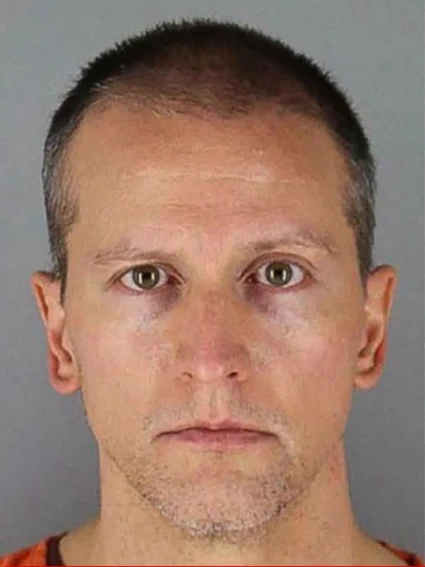
The dispute over police training is another major component of Chauvin’s challenge. During the original trial, senior Minneapolis police officials testified about department policies, use-of-force standards and the circumstances under which officers should change their tactics when a restrained person experiences medical distress. Chauvin’s current attorneys argue that portions of the testimony gave jurors an inaccurate understanding of the training officers received.
Video evidence is also being challenged. The footage of Floyd’s arrest became some of the most recognizable evidence in modern American criminal history, with recordings from witnesses and police cameras documenting the encounter from multiple perspectives. Prosecutors used those recordings alongside medical and police testimony to reconstruct the final minutes of Floyd’s life. Chauvin’s legal team now argues that aspects of the video were interpreted or presented in ways that produced misleading conclusions.
Those claims face the fundamental reality that Chauvin’s conviction has already survived several layers of judicial review. The Minnesota Court of Appeals upheld his conviction in 2023. The Minnesota Supreme Court subsequently declined to hear another appeal, and in November 2023 the U.S. Supreme Court also declined to review the case. His late-2025 post-conviction petition represented another attempt to challenge the verdict through a different legal mechanism.
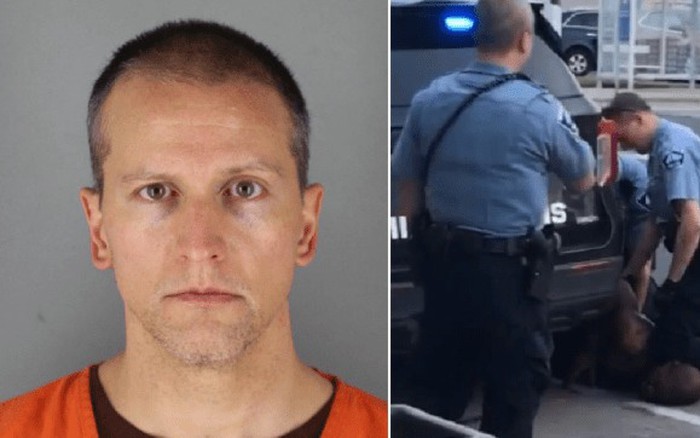
The latest appeal therefore enters a case with a lengthy procedural history. Chauvin’s attorneys are not simply retrying the evidence before another jury. They must convince an appellate court that the lower court made a legally significant error when it rejected his post-conviction claims.
Meanwhile, the original verdict remains fully in effect.
Chauvin’s legal situation is also complicated by his separate federal conviction. In 2021, he pleaded guilty to federal charges involving the deprivation of Floyd’s civil rights and received a sentence of more than 20 years. That federal case is separate from the Minnesota murder conviction now being challenged. Even a successful attack on one judgment would not automatically erase the other.
The case remains intensely polarizing because Floyd’s death became a defining event in the national debate over policing, race and the use of force. Millions of people watched video showing Floyd repeatedly saying he could not breathe while restrained. Massive demonstrations followed across the United States and around the world, while the subsequent trial was televised and scrutinized internationally.

Yet appellate courts operate differently from public debate. Their task is not to determine which political interpretation of the case is more persuasive. Judges must instead decide whether Chauvin’s legal arguments satisfy the requirements for overturning a conviction, granting an evidentiary hearing or ordering a new trial.
For Chauvin’s defense, the argument is that the jury heard a fundamentally flawed presentation of crucial evidence involving medical causation, police training and video interpretation. If those claims are accepted, his attorneys could argue that confidence in the original verdict has been undermined.
For prosecutors, however, the conviction resulted from weeks of testimony, multiple expert witnesses, extensive video evidence and a jury verdict finding Chauvin guilty on all three counts. The latest post-conviction arguments have already been considered by a judge and rejected.
That is why the June appeal represents another important—but uncertain—chapter rather than an overturning of the case.
Nearly six years after George Floyd’s death and more than five years after Chauvin’s conviction, the legal battle is still continuing. The original jury verdict remains intact, but Chauvin’s attorneys are again asking Minnesota’s appellate courts to scrutinize the evidence and legal decisions behind it.
The next question is whether the appellate court will simply uphold the judge’s rejection—or decide that any of Chauvin’s claims deserve further examination.
Could the new expert arguments finally reopen one of America’s most consequential criminal cases, or will this become another failed attempt to overturn Derek Chauvin’s conviction?