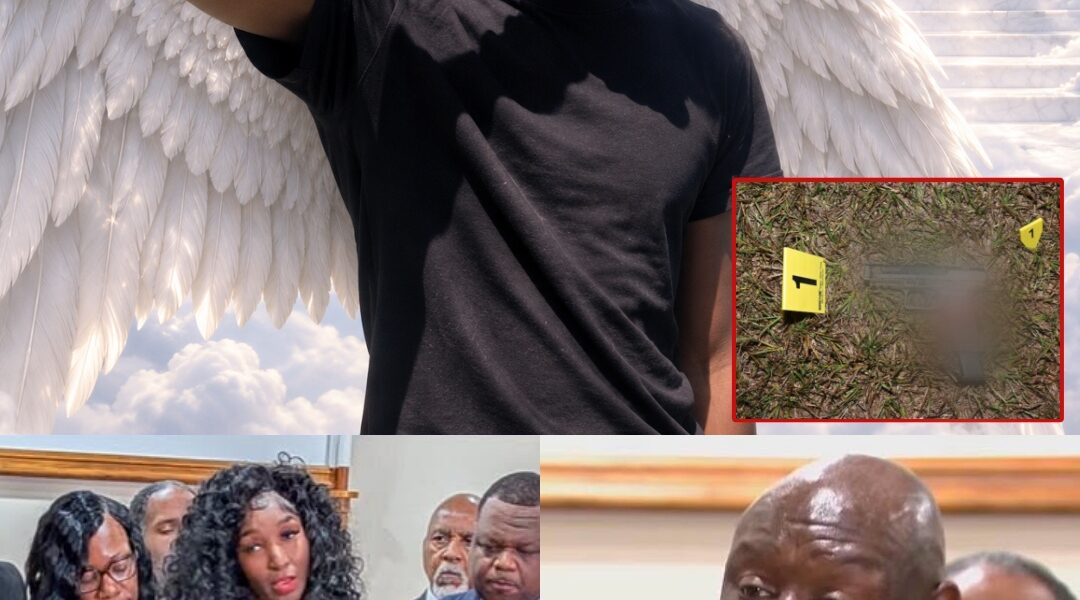
Family of Teen Killed by Police Seeks $75 Million—and Answers About His Final Moments.9440

AN EIGHTEEN-YEAR-OLD’S LIFE ENDED IN GUNFIRE—NOW HIS FAMILY SEEKS ANSWERS AND $75 MILLION
Zadarious Dorsey was eighteen when a police encounter ended his life, leaving his family to confront questions that remain sharply disputed. In the weeks since his death, grief has unfolded alongside meetings with investigators, competing descriptions of evidence, and preparations for legal action. His relatives now want accountability for the shooting and a full explanation of why an encounter with a Newnan officer became fatal.
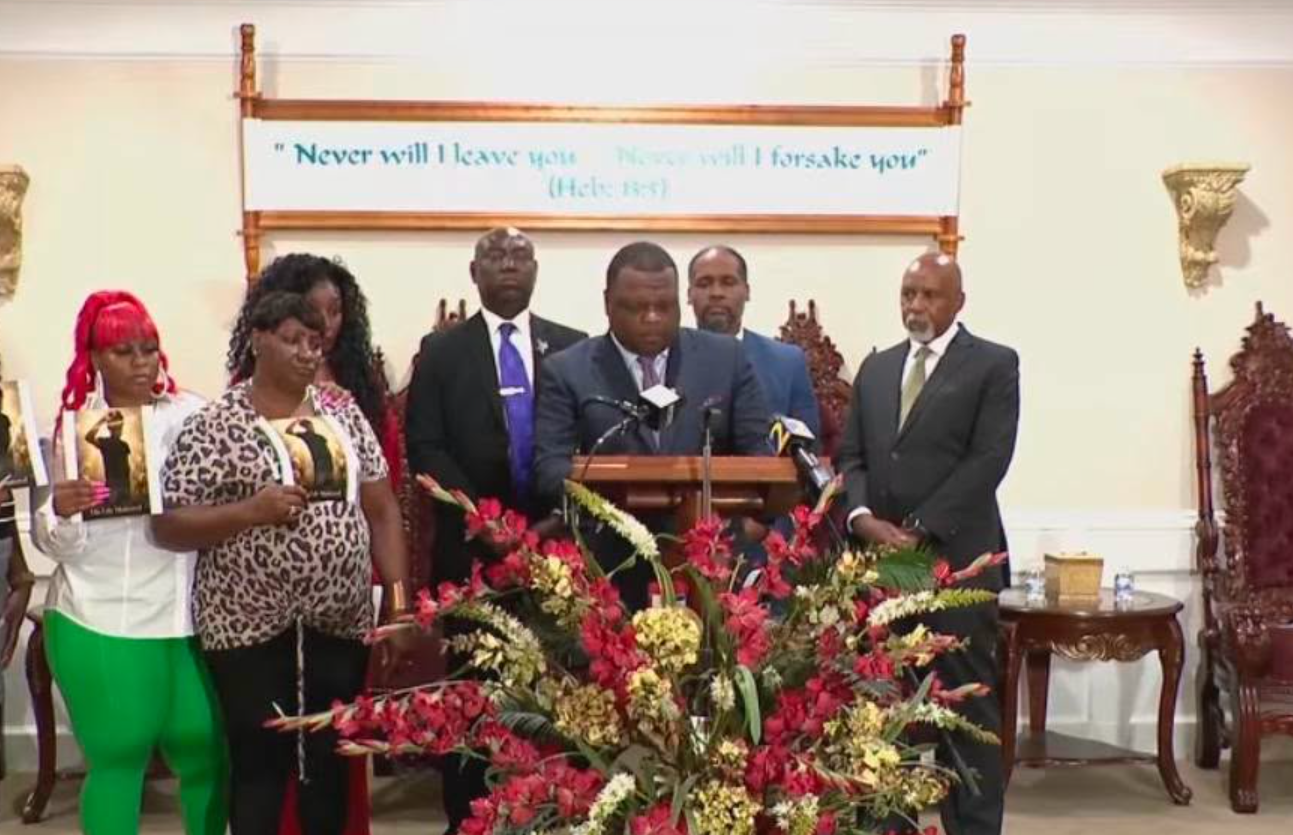
Attorneys representing the family have announced a claim seeking $75 million from the City of Newnan over Dorsey’s death on October 3, 2026. Their legal notice alleges an unlawful pursuit and excessive force, beginning a process that could lead to a wrongful-death lawsuit and civil-rights claims. The notice is a preliminary legal step, rather than a filed lawsuit or a judgment establishing that the city or officer is liable.
Behind the substantial dollar figure is a loss that a legal demand cannot measure or a financial settlement ever fully address. Dorsey’s family must live without him while also working through an investigation that asks them to revisit the circumstances of his death. Seeking answers can become another responsibility carried by grieving relatives, requiring attention and persistence when their emotional reserves are already strained.
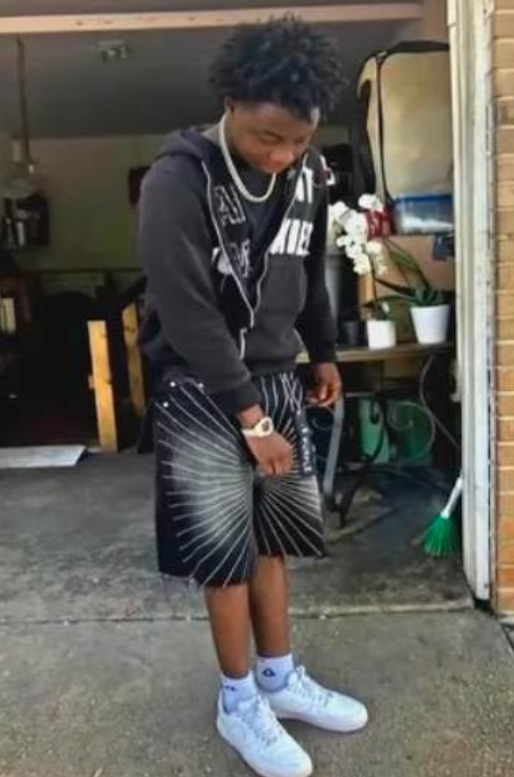
The Georgia Bureau of Investigation’s preliminary account describes an encounter beginning around one in the morning, when an officer followed a white car. After the vehicle stopped, several occupants got out, and the officer pursued Dorsey on foot, according to the agency’s initial statement. Investigators said the officer ordered him to stop and deployed a Taser, which did not bring the pursuit to an end.
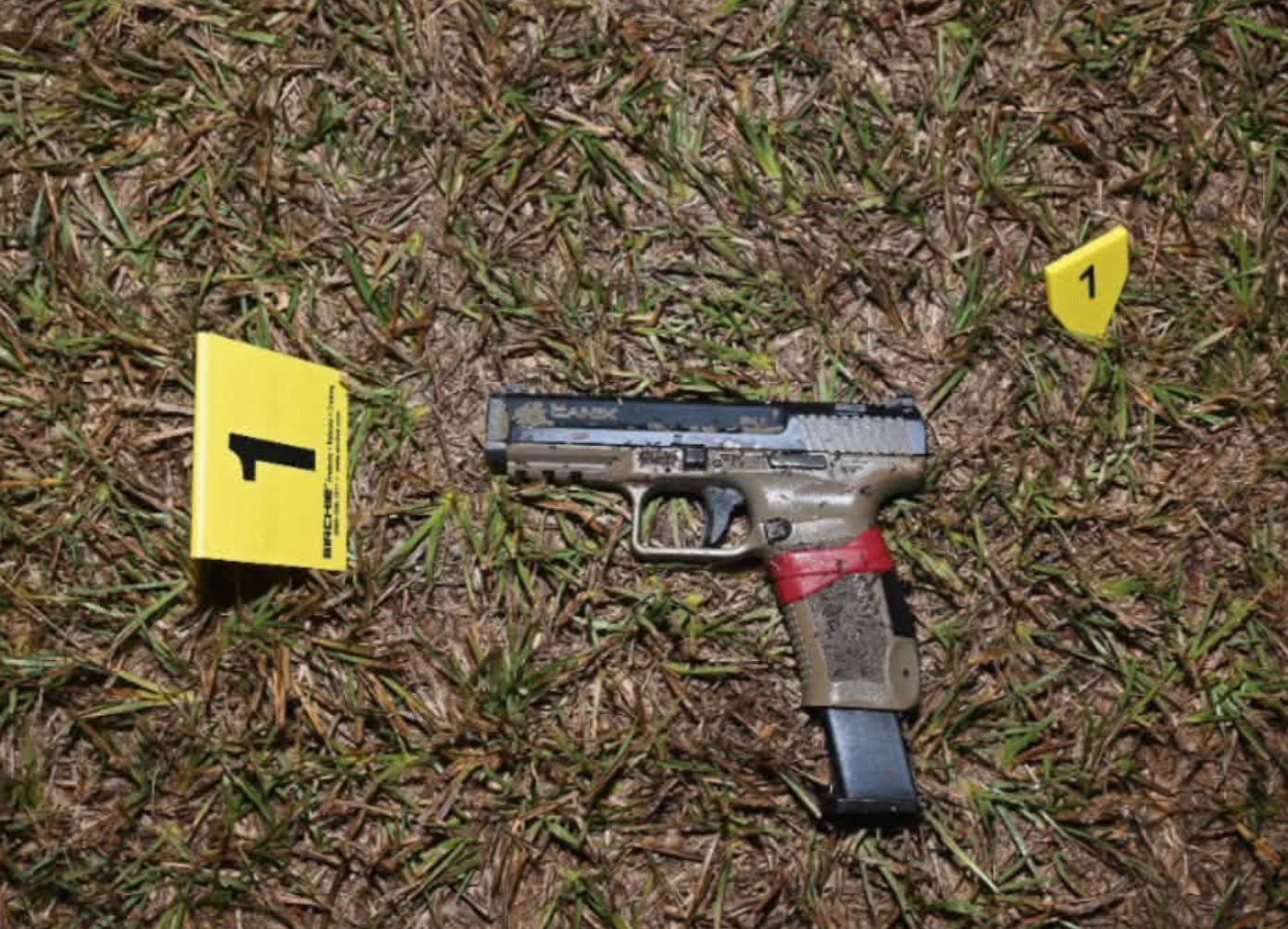
The agency initially reported that the officer saw Dorsey pull a gun from his waistband and issued commands to drop it before firing. Dorsey was taken to a hospital, where he died, and investigators reported recovering a firearm at the scene of the shooting. That preliminary account forms one part of the public record, but the family’s attorneys dispute its description of the threat when shots were fired.
Attorneys Ben Crump, Harry Daniels, and other members of the family’s legal team contend that Dorsey was unarmed at the moment of the shooting. They also question the officer’s grounds for stopping and pursuing him, arguing that the encounter should never have escalated as it did. These are central allegations in the family’s case, and they must be assessed against the complete evidence rather than treated as established findings.
The distinction between possessing a weapon earlier and holding one when an officer fires is central to the disagreement over what happened. The family’s attorneys argue that the location of the recovered handgun supports their position that Dorsey had discarded it before the shots. Authorities have presented evidence connecting him to the weapon, while the precise sequence surrounding its release remains a contested issue in the public accounts.
In an October 26 statement, the district attorney’s office said investigators recovered the handgun approximately forty-two feet from where Dorsey fell. Prosecutors also reported a match between DNA on the weapon and Dorsey’s DNA, adding a forensic finding to the investigation’s account of the firearm. Those findings address a connection to the gun, while the parties continue to disagree about what the officer faced when he used deadly force.
Body-camera evidence has therefore become especially important, offering a recorded perspective on an encounter whose critical moments passed within a very short period. Members of Dorsey’s family and their lawyers have reviewed footage through meetings with the district attorney’s office, according to official statements. Their access to that evidence has informed their public objections, even as the full recording has not yet been made available for public review.
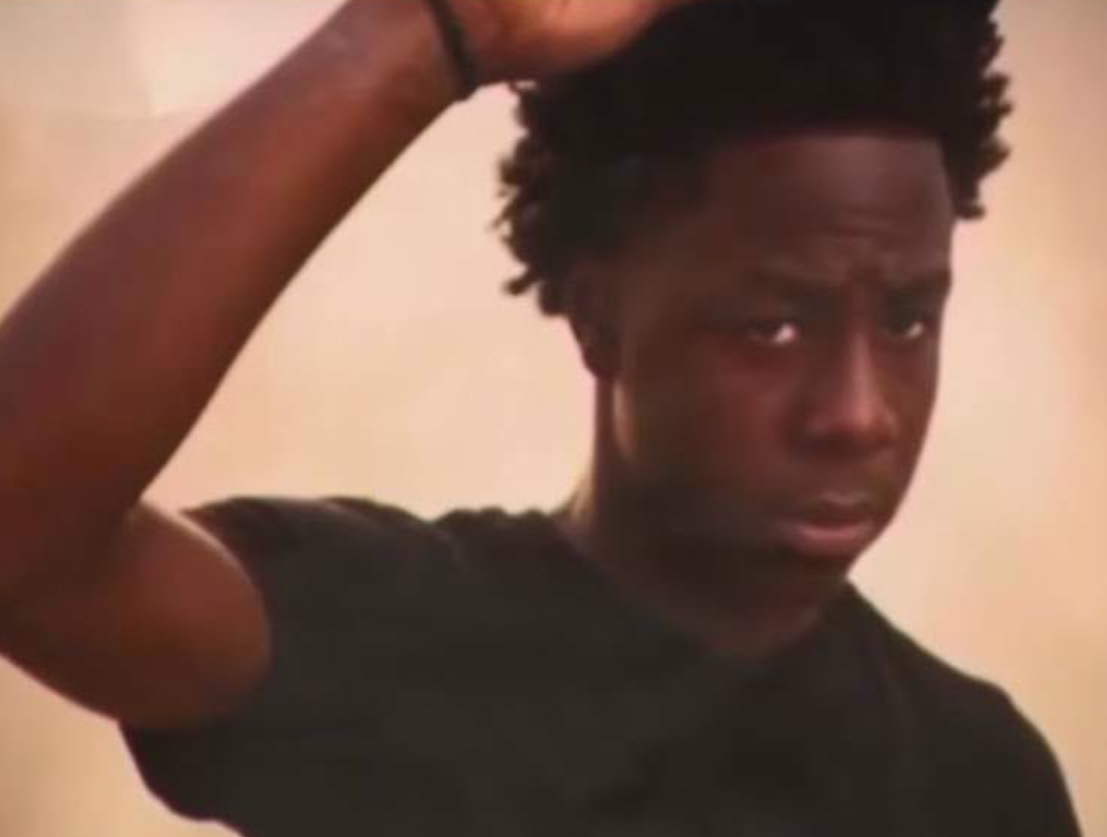
There have been developments beyond the earlier description of a recording entirely withheld from public view, an important distinction in understanding the case. On November 6, prosecutors released a timeline and frame-by-frame images covering the seconds before and including the first gunshot, alongside other evidence. The district attorney’s office said a version of the recording was being prepared to limit images of Dorsey suffering while retaining the full audio.
Releasing selected images and a timeline can give the public additional information, but neither automatically resolves every dispute about a moving encounter. Camera position, visibility, sound, movement, and the relationship between successive frames all matter when people attempt to understand what a recording shows. Careful examination requires acknowledging what can be seen clearly, what remains uncertain, and where an interpretation goes beyond the material actually available.

The investigation must also distinguish the reasons for initiating contact from the circumstances surrounding the later decision to fire the officer’s weapon. The family’s lawyers challenge both stages, raising concerns about the pursuit as well as their contention that Dorsey posed no immediate armed threat. A thorough account should address those questions individually, allowing the evidence concerning each decision to receive scrutiny without collapsing the entire encounter into one assumption.
Public attention often settles quickly on one detail, particularly the discovery of a gun or the announcement of a large damages demand. Neither detail alone can provide a complete understanding of the encounter, the officer’s actions, or the family’s legal allegations and requested remedies. Establishing a reliable sequence requires the fuller record, including recordings, forensic findings, witness information, and explanations that can withstand questioning by opposing parties.
For Dorsey’s relatives, those technical disputes concern the final moments of someone they knew through years of personal relationships and shared experiences. They are being asked to absorb investigative information about a loved one while facing public arguments from people who never met him. Their grief deserves respect regardless of how the evidence is ultimately assessed, and their questions deserve answers grounded in an open, careful process.
Eighteen is an age associated with the beginning of adult life, when many possibilities remain unsettled and much is still being discovered. Dorsey’s death has left his relatives mourning the person they knew and the future with him that they will never experience. A responsible account can recognize the depth of that loss without inventing his private thoughts, ambitions, or conversations to make the story more emotional.
The announced financial claim gives the family a formal avenue to pursue its allegations and seek a response from the city involved. It does not represent a finding of wrongdoing, and the public should understand that an intention to sue differs from a completed court case. Any eventual proceedings would need to examine the evidence and arguments before reaching conclusions about liability, damages, or the legal consequences of the encounter.
Meanwhile, the continuing investigation leaves the family living with uncertainty alongside the permanent fact of Dorsey’s absence from their everyday lives. Updates can bring information they have sought while also drawing them back into painful details that other people encounter only through headlines. Friends and community members can offer support by respecting their boundaries, listening without demanding explanations, and remaining present after attention to the case fades.
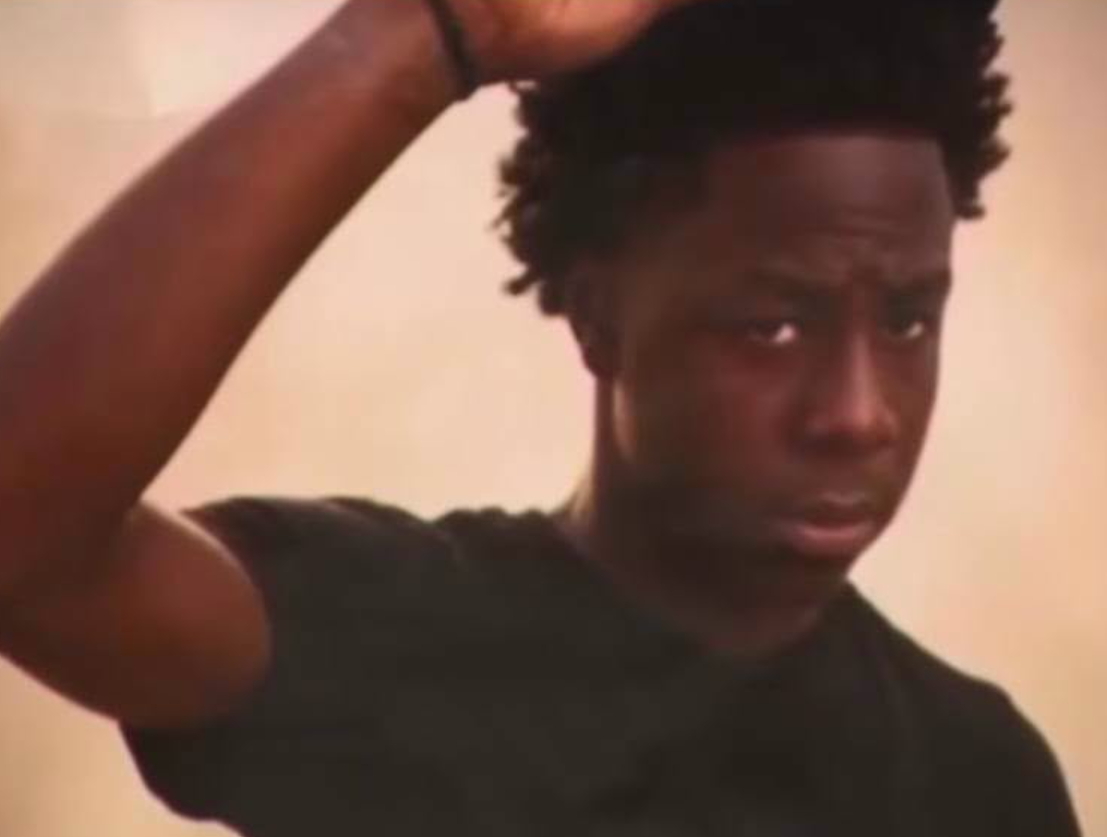
Zadarious Dorsey’s name now appears in investigative statements and a substantial legal claim, but his family remembers someone whose life reached beyond those documents. They are asking for scrutiny of the officer’s actions, clarity about the recording, and answers that address the conflicting accounts of his death. As that process continues, the central responsibility is to examine the evidence honestly while treating the young man and those grieving him with dignity.