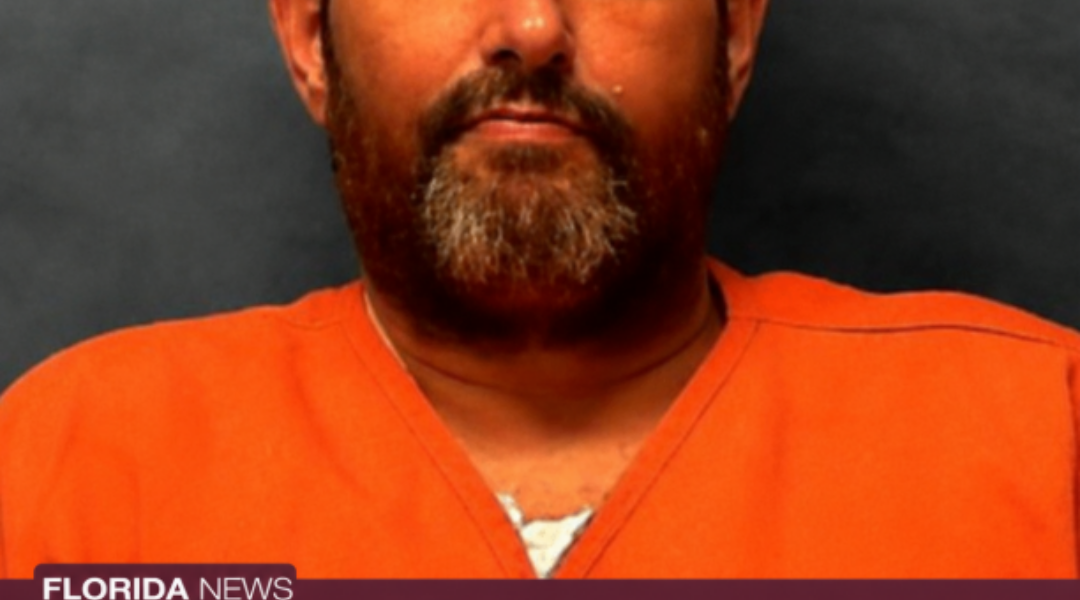
Florida Carries Out Its 13th Execution of 2026: The 20-Year-Old Case Behind William Silvia’s Death Sentence.991

Florida has carried out its 13th execution of 2026, putting 61-year-old William Frances Silvia to death nearly two decades after the shooting that killed his estranged wife and left her mother seriously wounded. Silvia was pronounced dead at 6:11 p.m. on Tuesday, Aug. 18, after receiving a three-drug lethal injection at Florida State Prison. His execution adds another chapter to what has become an exceptionally active period for capital punishment in Florida, which has carried out more than half of the 23 executions in the United States so far this year.

But behind the statistics is a case that began on Sept. 22, 2006, when the collapse of a marriage ended in gunfire. Silvia and his wife, Patricia Silvia, had separated roughly two months earlier, and Patricia was staying at the home of her mother, Betty Woodard, in the Orlando area. According to court records, Silvia purchased a Mossberg Persuader 12-gauge shotgun only hours before the shooting and separately bought ammunition. Later that day, he arrived at Woodard’s home while members of the family were gathered for a cookout.
Authorities said Silvia attempted to reconcile with Patricia, but the effort failed. What happened afterward became the foundation of the murder case that would follow him for the next 20 years. Investigators said Silvia returned to his truck, retrieved the shotgun and opened fire. Woodard was shot in the face, suffering catastrophic injuries that included the loss of her left eye and part of her nose. Patricia was shot in the head and died. Court records cited in reporting on the case say Silvia fired additional shots into the carport and house before leaving in his truck. He was arrested the following day.
The timing of the gun purchase became an important detail in the case. According to the sentencing record, surveillance video from the transaction did not show Silvia behaving in an obviously frantic or panicked manner. Prosecutors used the events surrounding the purchase, his actions at the home and other evidence to build their case that the shooting constituted first-degree murder rather than an unintended act. Reporting on the court record also states that Silvia later told an officer transporting him to jail that marital and financial problems, as well as Patricia reconnecting with a former husband, were reasons he shot her.
In 2008, a jury convicted Silvia of first-degree murder for Patricia’s death and attempted first-degree murder for shooting Woodard. The jury voted 11-1 to recommend a death sentence. He received death for Patricia’s murder and a life sentence for the attempted murder of Woodard.
Yet the legal fight did not end there. Silvia’s death sentence became entangled in challenges involving Florida’s capital sentencing procedures. At one point he was granted a new penalty phase, but in 2018 the Florida Supreme Court reinstated his death sentence because he had previously waived post-conviction appeals. In the period leading up to his execution, his lawyers also challenged whether the state agency responsible for representing death-row prisoners could adequately handle his case while representing another condemned inmate. The Florida Supreme Court rejected that argument.
Gov. Ron DeSantis signed Silvia’s death warrant in July, setting the execution for Aug. 18. By then, Florida was already moving through an unusually large number of executions. The state had carried out 19 executions in 2025, its highest annual number since capital punishment was reinstated in the 1970s. In July 2026, Florida also carried out two executions on the same day, an extraordinary event in the state’s modern death-penalty history.
Silvia’s final moments were witnessed inside Florida State Prison. At 6 p.m., the curtain to the execution chamber opened with Silvia already strapped to a gurney and an intravenous line inserted into his arm. A priest sat near his feet and prayed. When officials asked whether he wanted to make a final statement, Silvia apologized for what had happened but continued to characterize the shooting as accidental, saying he never intended to hurt Patricia. The lethal drugs were then administered. Several minutes later, a warden attempted to get a response from Silvia, but there was none. A medic subsequently pronounced him dead at 6:11 p.m.

Those final words stood in sharp contrast to the prosecution’s account of the 2006 shooting and the first-degree murder conviction that had survived years of litigation. Whether Silvia continued to view the shooting differently from the courts until the end, his execution brought the state’s punishment to completion almost 20 years after Patricia was killed.
For Patricia’s relatives, however, the execution could not restore what had been lost. Her sister, Pamela Wyatt, emphasized after Silvia’s death that an execution could not return Patricia to her children or allow her to experience the years and family milestones that were taken from her. Wyatt urged people to remember Patricia as more than the victim at the center of a murder case, saying her life was larger than the act that ended it.
That perspective is important because much of the public attention surrounding capital cases inevitably focuses on the condemned prisoner: the appeals, execution warrant, final meal, last statement and death-chamber procedure. For Patricia’s family, the timeline began much earlier—with a mother, daughter and loved one whose future disappeared during a family gathering in 2006.
The case also arrives amid a much larger debate over Florida’s accelerating use of capital punishment. Supporters of the death penalty argue that carrying out sentences after lengthy appeals provides accountability for the most serious crimes and, in some cases, a measure of finality for victims’ families. Critics question whether executions provide meaningful closure and raise broader concerns about fairness, representation, irreversible error and the role of the state in imposing death. Silvia’s case itself spent nearly two decades moving through the legal system before the sentence was ultimately carried out.
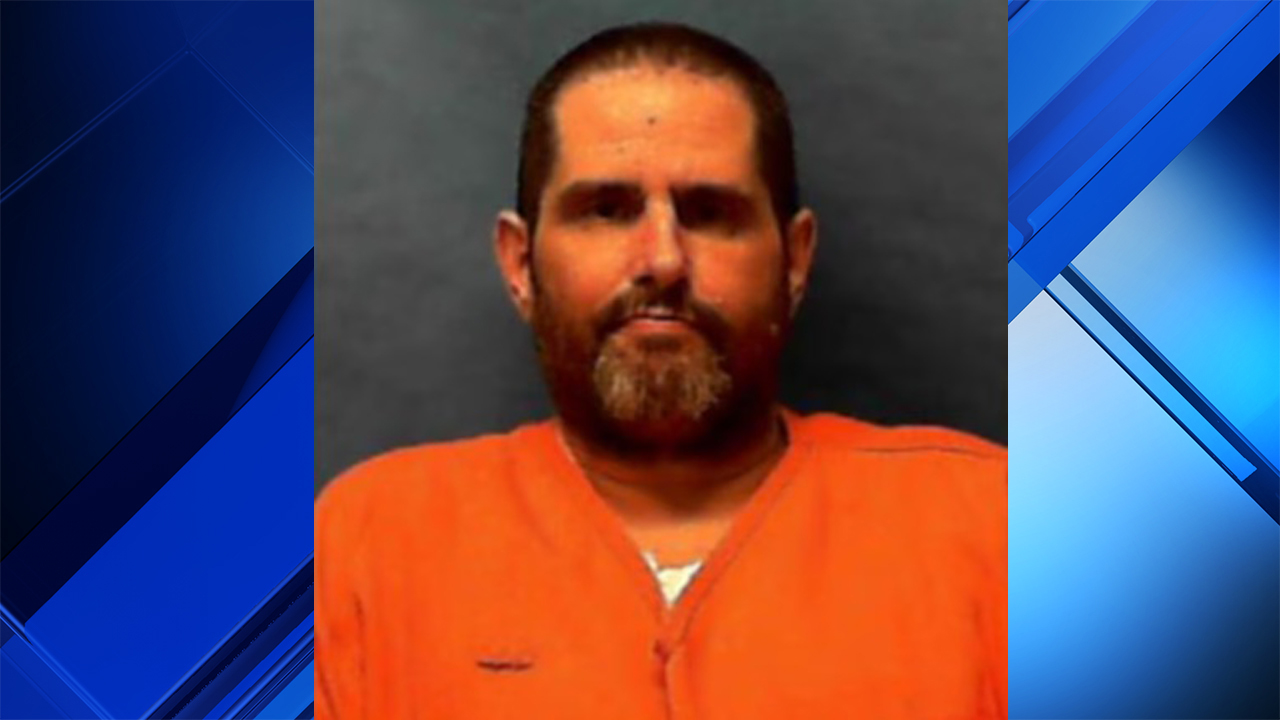
Florida’s pace is particularly notable. Silvia became the 13th person executed by the state in 2026, while only 23 executions had occurred nationwide at that point. Two more Florida executions were scheduled for September: Harold Gene Lucas on Sept. 1 and Daniel Owen Conahan Jr. on Sept. 10.
Florida uses a three-drug lethal-injection procedure involving a sedative, a paralytic and a final drug that stops the heart. That was the procedure used when Silvia entered the death chamber Tuesday evening and the state brought the sentence imposed for Patricia’s murder to its conclusion.
Nearly 20 years separate the afternoon of the family cookout from the evening Silvia was strapped to the execution gurney. In between came Patricia’s funeral, Woodard’s recovery from devastating injuries, a murder trial, an 11-1 jury recommendation for death, years of appeals, litigation over sentencing procedures and finally a signed death warrant.
At 6:11 p.m. on Aug. 18, that legal process ended.
But for Patricia Silvia’s family, the consequences of Sept. 22, 2006, did not end with William Silvia’s execution. His death may close the state’s case, but it cannot recreate the years Patricia never had with her children and the grandchildren she never had the chance to know. And with Florida already preparing for additional executions, Silvia’s case has become part of a much larger story—one that is increasingly placing the state at the center of America’s renewed debate over how, when and how often the ultimate punishment should be used.