MILITARY PROPOSAL: The Government is being urged to place unemployed Brits on a “military gap year” to prepare for potential war . HYN


f you’re young, unemployed and wondering what to do next, a group of peers has a suggestion.
How about spending a gap year in the Armed Forces to help your country prepare for war?
That’s one of the recommendations in a new report from the House of Lords National Resilience Committee, which warns that Britain is dangerously underprepared for major emergencies.
The committee says young people who are not in education, employment or training, commonly known as NEETs, should be encouraged to consider military service.
With around one million young people in that category across the UK, peers believe some could help strengthen the Army Reserve and provide extra personnel if Britain became involved in a major conflict.
The UK has already introduced a military gap year programme for school leavers, but the committee wants opportunities extended to unemployed young people.
And the recommendations don’t stop there.
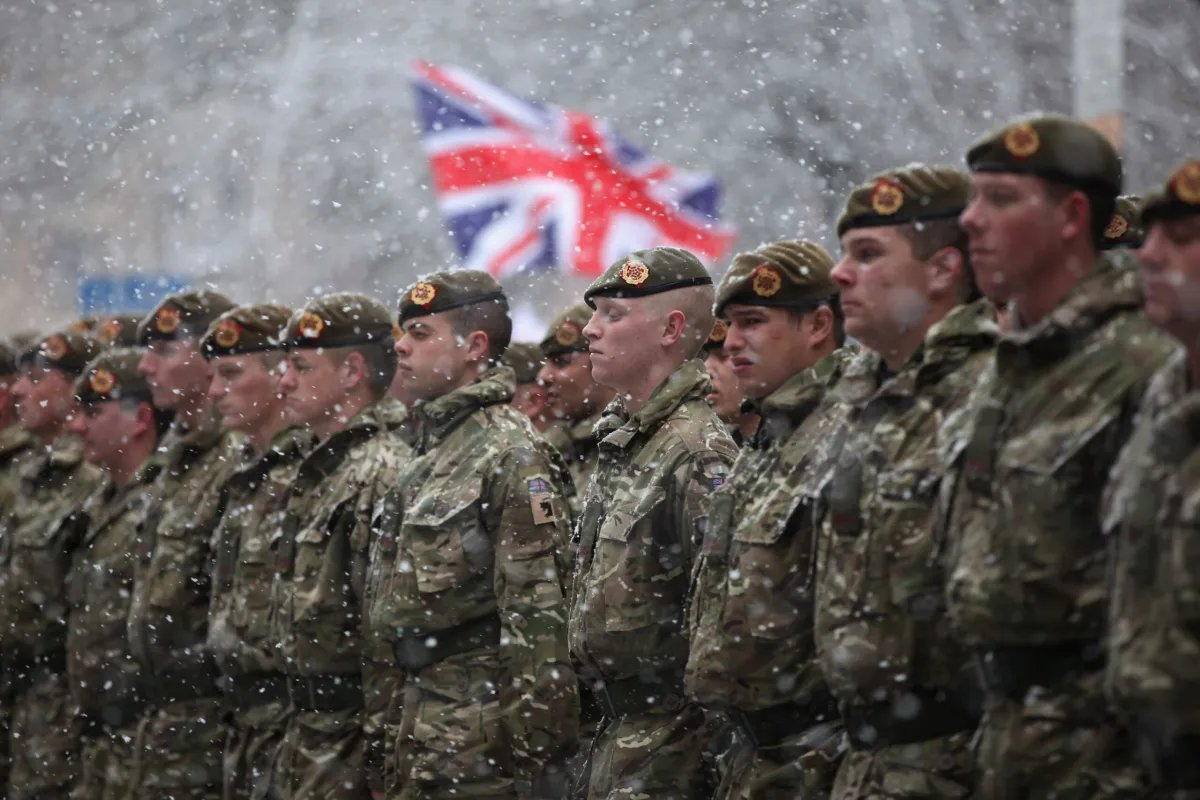
Schoolchildren could be taught how to prepare for war
According to the report, “Are we ready?
Building a culture of resilience“, schools should do more to prepare children for emergencies.
That includes teaching practical skills such as first aid, CPR, survival techniques and household emergency planning.
Pupils could also learn what supplies families should keep at home in case of prolonged power cuts, flooding or other disasters.
The recommendations follow a nine-month inquiry into Britain’s ability to respond to serious national emergencies.
And the committee’s findings make for uncomfortable reading.
Peers warned that the UK is too complacent about threats ranging from cyberattacks to military conflict, particularly amid growing tensions with countries including Russia, China and Iran.
They also raised concerns about the country’s reliance on overseas supply chains for essential medicines and other goods.

What happens if Britain faces a major emergency?
One of the committee’s biggest concerns is how quickly a single incident could trigger a much wider crisis.
Committee chair Baroness Coussins warned: “A cyber-attack can quickly morph into a power cut, then a shutdown of transport, then empty food shelves in the shops.”
She also pointed out that around 95% of food sold in the UK passes through just nine retailers, highlighting how concentrated the country’s food supply system has become.
The report argues that ministers need to be more open with the public about the threats Britain faces.
It states: “The Government should stop being squeamish about telling it straight to the public about the kind of threats we face.”
The committee is calling for urgent action from Prime Minister Andy Burnham’s government to improve the country’s readiness.
And if all this talk of war and national emergencies has you wondering how safe your area really is, a new interactive doomsday map lets you check how your postcode might fare in a major catastrophe.
MILITARY PROPOSAL: GOVERNMENT URGED TO PLACE UNEMPLOYED BRITS ON A “MILITARY GAP YEAR” TO PREPARE FOR POTENTIAL WAR
Britain is facing an increasingly serious national security debate after a powerful new proposal called on the government to encourage unemployed young people to spend a year in the Armed Forces as part of a wider effort to prepare the country for potential war. The recommendation has sparked considerable discussion about military readiness, youth unemployment, national service and the responsibilities of ordinary citizens in an increasingly dangerous international environment.
The proposal comes from the House of Lords National Resilience Committee, which has warned that Britain is not sufficiently prepared to deal with major national emergencies. Its report, entitled Are We Ready? Building a Culture of Resilience, highlights serious weaknesses in the country’s ability to respond to threats ranging from cyberattacks and infrastructure disruption to military conflict.
One of the most striking recommendations is that young people who are not currently in education, employment or training should be encouraged to consider military service. These individuals are commonly described as NEETs, and there are approximately one million young people in this category across the United Kingdom.
The committee believes that some of these young people could contribute to strengthening Britain’s military reserves while gaining valuable professional experience, discipline and practical skills. The proposal has therefore opened a wider debate about whether the Armed Forces could provide opportunities for unemployed young people while helping the country prepare for an increasingly uncertain future.
Why is Britain being urged to prepare for war?
The proposal comes against a background of growing international instability. Relations between major world powers have become increasingly complicated, while Russia’s invasion of Ukraine has demonstrated how quickly a regional conflict can develop into a major international security crisis.
Concerns about China’s growing military influence, tensions involving Iran and the increasing frequency of cyberattacks have also contributed to fears about Britain’s national security.
Military leaders have repeatedly warned that the country must reconsider its approach to defence. The traditional assumption that major conflict is unlikely to affect Britain directly is increasingly being questioned.
The report argues that national resilience should not be viewed exclusively as a responsibility of the Armed Forces. Instead, the entire country must be capable of responding to serious emergencies.
This includes government departments, businesses, local authorities, emergency services and ordinary citizens.
The committee believes that Britain needs a stronger culture of preparedness in which people understand the risks facing the country and know how they can contribute to national resilience.
Could unemployed young people be encouraged to join the military?
One of the most controversial aspects of the proposal concerns the potential involvement of unemployed young people.
With approximately one million young people outside education, employment or training, policymakers are increasingly concerned about the economic and social consequences of long-term youth unemployment.
For many young people, finding stable employment has become difficult. Rising living costs, housing pressures and competition for available jobs have created additional challenges for those attempting to establish independent lives.
Supporters of the military gap year proposal believe that the Armed Forces could offer an alternative pathway.
Rather than spending months or years struggling to find employment, young people could potentially participate in a voluntary military programme that provides paid experience, professional development and opportunities to acquire transferable skills.
These could include teamwork, leadership, communication, problem-solving and technical knowledge.
Such experience could help participants develop confidence and improve their employment prospects, whether they eventually choose a military career or return to civilian employment.
The proposal could therefore address two important national challenges simultaneously: youth unemployment and the need to strengthen Britain’s defence capabilities.
The military gap year scheme already exists
Importantly, Britain has already taken steps towards introducing a military gap year programme.
The Ministry of Defence announced the Armed Forces Foundation Scheme in December 2025, with the first recruitment opportunities beginning in 2026.
The initial programme is designed for young people aged between 18 and 25 and offers paid military experience across the Army, Royal Navy and Royal Air Force.
Around 150 participants were expected in the initial recruitment phase, with the government expressing ambitions to expand the programme to more than 1,000 participants, subject to demand and resources.
The scheme is intended to attract people who are interested in military life but may be uncertain about making a long-term commitment.
Participants can gain experience of the Armed Forces and develop skills that could prove useful in civilian employment.
After completing the programme, they can consider continuing into regular or reserve military service, or leave to pursue other careers.
The proposal from the House of Lords committee would build on this existing initiative by encouraging more unemployed young people to consider participating.
However, there is an important distinction between encouraging voluntary participation and requiring unemployed people to undertake military service.
Is Britain moving towards compulsory national service?
This is perhaps the question that has attracted the greatest public attention.
The suggestion that unemployed young people should be encouraged to join the Armed Forces has inevitably raised concerns about whether Britain could eventually introduce compulsory military service.
Some people believe that the growing international security threat requires a fundamental change in how the country approaches national defence.
Others argue that military service must remain a personal choice and that unemployment should never become a reason for forcing someone into a military environment.
The government has made its position clear in a parliamentary response dated 15 September 2026.
Ministers stated that there are currently no plans to introduce compulsory military service.
The government also emphasised that successive administrations have considered professional Armed Forces staffed by volunteers to be the most appropriate model for British defence.
This means that the proposed military gap year should be understood as a voluntary opportunity rather than a compulsory requirement for unemployed people.
Nevertheless, the wider debate about national service and Britain’s preparedness for conflict is unlikely to disappear.
Schools could also play a bigger role
The House of Lords committee has also called for schools to do more to prepare young people for national emergencies.
Its recommendations include improving awareness of first aid, CPR, household emergency planning and practical resilience.
The committee believes that young people should understand how to respond when essential services are disrupted by severe weather, cyberattacks, flooding or other emergencies.
Students could also receive more information about how families can prepare for prolonged power cuts and interruptions to essential supplies.
These recommendations reflect the committee’s concern that Britain has become too complacent about potential emergencies.
Its chair, Baroness Coussins, warned that a cyberattack could trigger a chain reaction involving electricity failures, transport disruption and shortages of essential goods.
The message is that national resilience depends on more than military equipment and personnel. It also requires a population that understands how to respond when everyday systems stop functioning.
Could Britain learn from other countries?
The military gap year concept is not entirely new.
Australia has operated a military gap year programme for many years, providing young people with opportunities to experience military life without immediately committing to a permanent military career.
The British government’s own Armed Forces Foundation Scheme has been influenced by this approach.
Other European countries have also reconsidered their national defence arrangements following the deterioration of the international security environment.
Finland is frequently highlighted as an example of a country with a strong culture of civil preparedness and national resilience.
Its approach demonstrates the importance of cooperation between military institutions, public authorities, businesses and local communities.
However, Britain’s political and social circumstances are different, meaning that any changes would need to reflect the country’s own traditions and democratic principles.
The financial and social questions
Although supporters believe that the proposal could provide important benefits, several difficult questions remain.
Expanding military opportunities would require additional funding, instructors, accommodation and administrative resources.
The government would need to ensure that any programme provides genuine employment and training opportunities rather than simply moving unemployed people from one system into another.
There are also questions about suitability and personal choice.
Not every unemployed person will be interested in military service, and some may have personal circumstances that make participation inappropriate.
The Armed Forces would need to maintain appropriate recruitment standards while ensuring that participants receive proper support.
Furthermore, Britain must not overlook the importance of civilian employment programmes. Training in engineering, healthcare, construction, technology and other industries can also help young people contribute to national resilience without entering military service.
A successful approach should therefore provide several different pathways rather than presenting military service as the only solution.
What does this mean for Britain’s future?
The proposal reflects a significant change in the national conversation about defence.
For many years, national security was largely viewed as the responsibility of professional military personnel. However, growing international instability has encouraged policymakers to consider how the wider population could contribute to protecting the country.
The House of Lords committee believes Britain needs to develop a stronger relationship between society and the Armed Forces.
This does not necessarily mean preparing every young person for combat. It means developing a population with the skills, awareness and resilience needed to support the country during serious emergencies.
The government must now consider how far it is prepared to go in implementing these recommendations.
It will also need to explain the potential risks facing Britain more openly, while avoiding unnecessary public alarm.
In conclusion, the proposal to encourage unemployed British young people to participate in a voluntary military gap year has opened an important debate about youth employment, national service and Britain’s readiness for potential conflict. The House of Lords National Resilience Committee believes that young people could play a valuable role in strengthening the country’s defence and emergency preparedness. With approximately one million young people outside education, employment or training, the proposal could offer new opportunities while addressing concerns about military recruitment. However, the government must make clear that participation remains voluntary and that compulsory military service is not currently planned. The real challenge is to create a stronger, more resilient Britain in which military personnel, civilian workers, businesses and ordinary citizens understand their responsibilities during national emergencies. As international tensions continue to develop, one question becomes increasingly important: is Britain doing enough today to ensure that it is prepared for the challenges of tomorrow?
