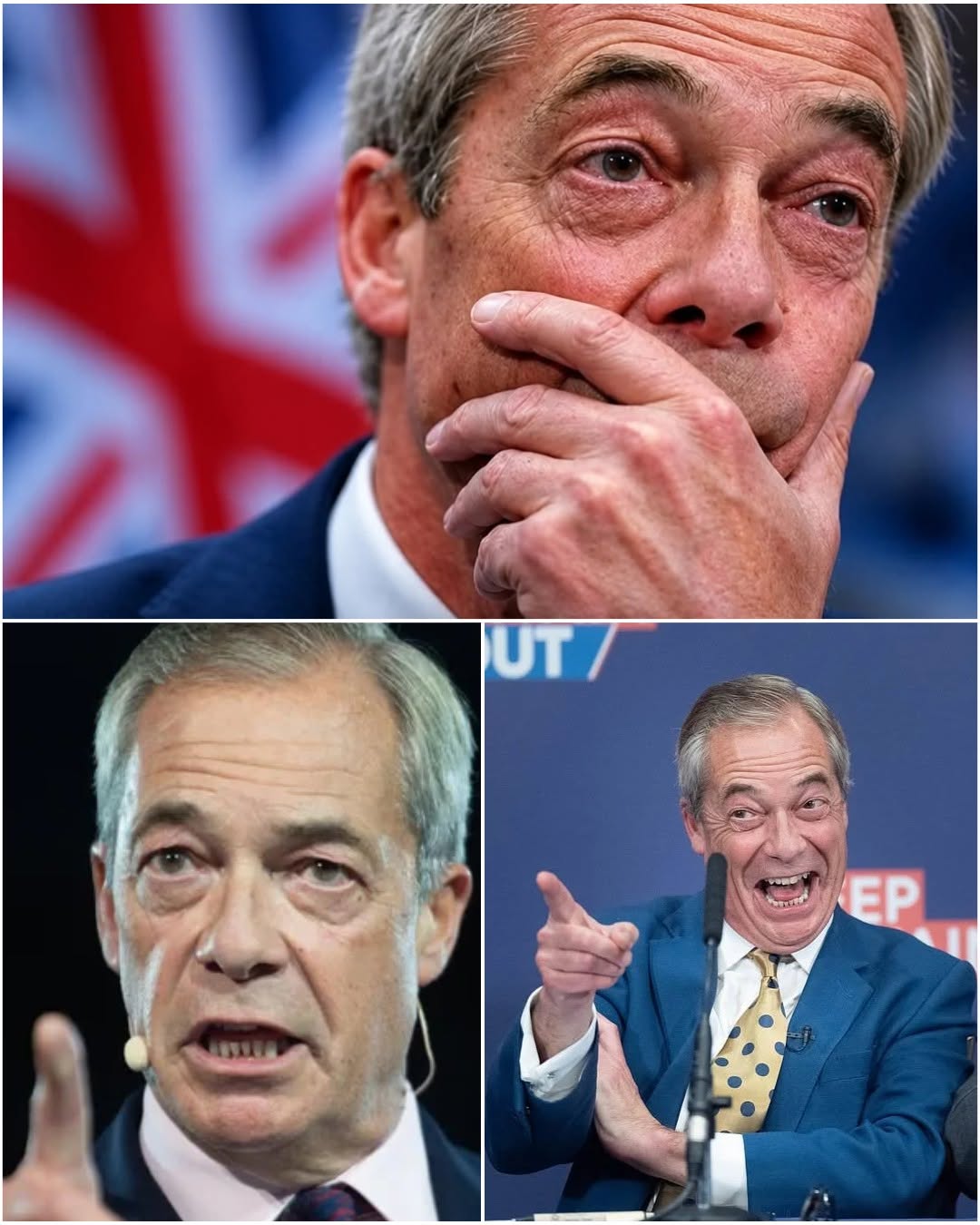
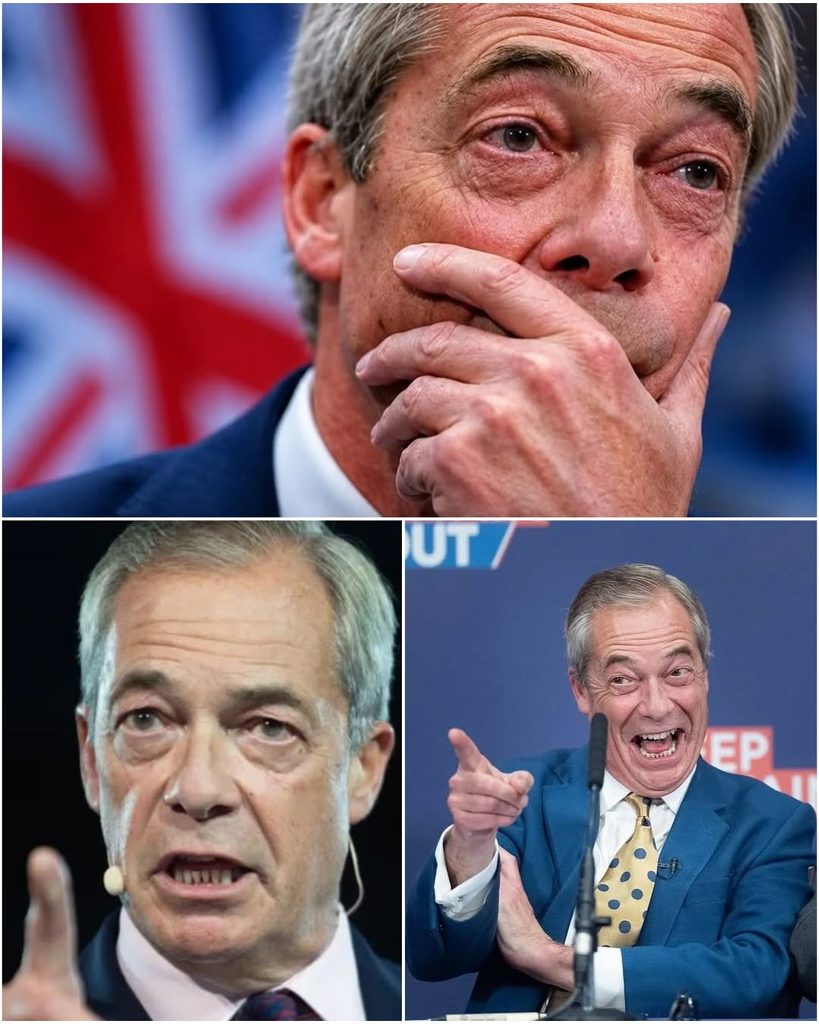
A new campaign demanding Britain not be dragged back into the European Union has launched after Andy Burnham agreed a deal to cozy up to Brussels. Named ‘Keep Britain Out’, the group is headed by businessman and Brexiteer Arron Banks and attracted the support of Reform UK Leader Nigel Farage.
Ask Express anything
What are the ten pledges of Keep Britain Out?
What deal did Andy Burnham agree with Brussels?
Why was the Keep Britain Out campaign launched?
Black Friday
What is the best Express Premium deal I can possibly get?
Ask This Article
It exploded onto the political scene days after the launch of ‘StayOut’, a group estabished by former Vote Leave campaigners. Speaking ahead of the launch Mr Banks said: “In 2016, 17.4 million people voted for control of our borders, our laws, our money and our future. That decision has been betrayed by successive governments who never truly believed in it.”
He added: “Worse still, dragging Britain back into a failing EU risks the futures of young people who will rely on emerging technology and associated industries that the EU is regulating out of existence on the continent.
Keep Britain Out – The 10 pledges
- Out – Oppose rejoining the European Union, its single market or customs union. Reverse any steps that draw Britain back in, including Andy Burnham’s 2026 deals.
- Safe – Reverse mass migration, secure Britain’s borders and enforce stricter immigration laws. Give police and armed forces the resources they need. Oppose the Dublin asylum system and EU asylum quotas.
- Working – Make work pay and cut red tape so British small businesses can grow.
- Sovereign – Keep British law in British hands. Oppose deals that bind us to future EU laws or put our laws under EU courts.
- Drilling – Back new North Sea oil and gas licences and the British jobs they support.
- Farming – Stand up for British farmers and reject trade deals that undercut the standards we ask them to meet.
- Fishing – Keep control of British waters and put British fishing fleets first.
- Building – Speed up planning decisions so Britain can build the infrastructure it needs. Keep Britain free to set its own rules and compete in AI, space and other emerging industries.
- Trading – Keep Britain free to strike its own trade deals and set its own tariffs.
- British – Defend the Union, our liberties and the right of the British people to decide how we are governed.
NIGEL FARAGE BACKS ARRON BANKS’S KEEP BRITAIN OUT – HAS YOUR MP SIGNED?
Britain’s Brexit battle has erupted into a dramatic new political confrontation after Nigel Farage joined forces with businessman Arron Banks to launch a campaign aimed at preventing the United Kingdom from rejoining the European Union. The new movement, called Keep Britain Out, has reignited political divisions and raised serious questions about the future direction of British politics. With Prime Minister Andy Burnham facing increasing pressure over his plans for closer relations with Brussels, Brexit supporters are preparing for another major political fight.
The announcement on 25 November 2026 marks an important moment for the anti-EU movement. Arron Banks, one of the prominent financial backers of the original Leave.EU campaign, is leading the new initiative with the public support of Reform UK leader Nigel Farage. Their message is straightforward: Britain must remain outside the European Union and protect the independence that voters demanded in the historic 2016 referendum.
For Farage, this is more than another political campaign. It is an opportunity to defend what he considers one of the most important democratic decisions in modern British history. He believes that politicians who supported Brexit must now demonstrate that they remain committed to its original principles.
A new Brexit battle begins
The launch of Keep Britain Out comes at a particularly sensitive moment. Andy Burnham has reopened the national discussion about Britain’s relationship with Europe, suggesting that the country should examine several possible options for the future.
These options reportedly include maintaining the existing arrangements, pursuing closer cooperation through the single market or customs union, and potentially considering full EU membership in the longer term.
Although the government has not announced an immediate plan to rejoin the European Union, the discussion has alarmed many Brexit supporters.
They believe that closer cooperation could gradually lead to greater European influence over British laws, trade and immigration policy. They also fear that politicians could move towards reversing Brexit without giving voters a sufficiently clear opportunity to express their views.
Arron Banks has criticised successive governments for failing to deliver what Leave voters expected in 2016. He argues that 17.4 million people voted to take control of Britain’s borders, laws, money and future.
His campaign aims to prevent what he describes as a betrayal of that democratic decision.
Nigel Farage puts his name behind the campaign
Nigel Farage was the first MP to sign the new campaign’s ten-point pledge. His involvement gives Keep Britain Out considerable political visibility and demonstrates that Reform UK intends to make Britain’s relationship with Europe a central issue.
Farage has argued that the political and economic risks associated with rejoining the EU should not be underestimated.
He has raised concerns about potential membership contributions, the possibility of future euro obligations and the impact of European regulations on emerging industries such as artificial intelligence and agricultural technology.
He has also rejected the idea that his campaign will simply repeat the fear-based arguments associated with previous political battles.
Instead, he describes the initiative as a positive campaign for an independent Britain, arguing that the country should concentrate on its opportunities outside the European Union.
For Farage, the challenge is to persuade voters that Britain can achieve economic growth, technological development and international influence without returning to Brussels.
The ten pledges that MPs are being asked to sign
One of the most significant aspects of Keep Britain Out is its ten-point pledge card. The campaign wants MPs and parliamentary candidates to publicly commit themselves to defending Brexit and opposing further European integration.
The ten commitments cover several major areas of British policy:
- Out: Oppose rejoining the European Union, single market or customs union.
- Safe: Secure Britain’s borders and support stronger immigration enforcement.
- Working: Make employment more rewarding and reduce unnecessary bureaucracy for small businesses.
- Sovereign: Keep British laws and legal decisions under British control.
- Drilling: Support further North Sea oil and gas development.
- Farming: Protect British farmers and domestic agricultural standards.
- Fishing: Maintain British control over fishing waters and support the fishing industry.
- Building: Improve planning processes and support infrastructure development and emerging industries.
- Trading: Preserve Britain’s ability to negotiate independent international trade agreements.
- British: Defend the United Kingdom, democratic freedoms and the right of British citizens to determine their future.
The campaign argues that these commitments represent a broader vision of national independence rather than simply opposition to European membership.
However, critics may question whether every pledge can be achieved without difficult economic and political compromises.
Has your MP signed the pledge?
This is one of the most important questions emerging from the campaign.
Nigel Farage has already signed the ten-point commitment, representing Clacton in Essex. He has also suggested that he expects other Reform UK MPs to support the initiative.
Arron Banks has indicated that the campaign wants to attract support beyond Reform UK. In particular, he hopes that Labour MPs who supported Brexit in 2016 will consider signing the pledge.
This could create an interesting political situation within Parliament.
Labour contains MPs representing constituencies where support for Brexit remains strong. Some may be uncomfortable with proposals that could bring Britain closer to European institutions, even if they support other aspects of the government’s economic programme.
The campaign’s organisers believe these MPs could become important voices in the renewed Brexit debate.
However, at the time of the campaign’s launch, Nigel Farage was the only MP specifically confirmed by the available reporting to have signed the pledge. The campaign’s MP tracker is expected to provide further information as additional politicians make their decisions.
The distinction matters because supporting Brexit in principle does not necessarily mean agreeing with every commitment included in the campaign.
Why are Brexit supporters concerned about Andy Burnham?
The growing controversy is closely connected to Burnham’s approach to Britain’s relationship with the European Union.
Supporters of closer European relations argue that Brexit has created additional trade barriers and made economic cooperation more complicated. They believe Britain should negotiate arrangements that reduce unnecessary paperwork and improve access to European markets.
However, Brexit supporters argue that economic cooperation does not require political integration.
They believe Britain can maintain strong relationships with European countries while retaining independent control over immigration, regulation and international trade.
The disagreement is particularly important because the European Union remains one of Britain’s most significant trading partners.
Businesses on both sides of the Channel depend on stable commercial relationships. Manufacturers, farmers, exporters and service providers all have an interest in reducing unnecessary obstacles.
The question is whether these benefits can be achieved through individual agreements or whether deeper European integration would be necessary.
Could Brexit become the defining issue of the next election?
The launch of Keep Britain Out suggests that the political battle over Europe could become increasingly important before the next general election.
Farage believes that the British public should have a clear choice about the country’s future relationship with Europe.
His opponents, however, argue that Britain should concentrate on more immediate challenges, including economic growth, the cost of living, housing, immigration and public services.
There is also a growing debate within the Conservative Party. Former Brexit campaigners have established a separate anti-rejoining movement called Stay Out, demonstrating that opposition to EU membership is attracting support from different political groups.
Meanwhile, pro-European campaigners are organising their own initiatives.
Britain could therefore face a new political confrontation involving several competing campaigns, each attempting to convince voters that its vision offers the best future for the country.
The importance of national sovereignty
For many Brexit supporters, the central issue remains national sovereignty.
They believe that the 2016 referendum was a historic opportunity to restore democratic accountability and ensure that British institutions retained ultimate responsibility for national decisions.
They argue that returning to the European Union could involve accepting obligations that limit Britain’s freedom to establish independent policies.
On the other hand, supporters of closer European integration believe that cooperation can strengthen Britain’s economy and international influence.
They argue that sovereignty is not simply about acting independently but also about having the ability to influence international decisions that affect British citizens and businesses.
Both arguments deserve serious examination. The public needs accurate information about the financial, economic and constitutional consequences of the different options.
Rejoining the EU would involve negotiations and potentially significant obligations. It would not simply mean restoring Britain’s previous membership arrangements automatically.
The political battle is far from over
Keep Britain Out has arrived at a moment when Britain’s European future is once again becoming a major political issue.
Farage and Banks are hoping to unite Brexit supporters behind a clear set of commitments. Their challenge will be convincing politicians and ordinary voters that their proposals offer a realistic economic future rather than simply repeating the arguments of 2016.
The government, meanwhile, must explain exactly what closer relations with Europe would involve and whether any future changes would require additional democratic approval.
Ultimately, British voters deserve transparency about the decisions being considered in their name.
In conclusion, Nigel Farage’s decision to support Arron Banks’s Keep Britain Out campaign has reignited the Brexit debate and placed renewed pressure on politicians to declare where they stand. The ten-point pledge provides a clear opportunity for MPs to demonstrate their commitment to keeping Britain outside the European Union, while also addressing concerns about immigration, farming, fishing, trade and national sovereignty. Farage has already signed, but the question of how many other MPs will follow remains open. As Andy Burnham considers Britain’s future relationship with Brussels, the country could be approaching another defining political confrontation. Whether voters ultimately support closer European integration or maintaining Britain’s independence, the decision must be based on honest debate, clear evidence and democratic accountability. One thing is certain: Brexit is far from disappearing from British politics, and the battle over Britain’s future in Europe has entered another important chapter.