

The death of Mississippi teenager Nolan Wells has left his family, friends, and community searching for answers, but one question has increasingly become a focus of public discussion: how much alcohol, if any, was actually in Nolan’s system before his death?
As speculation continues to spread online, a volunteer rescuer involved in the search for Nolan is now pushing back against claims that the teenager was heavily intoxicated in the hours before he died.
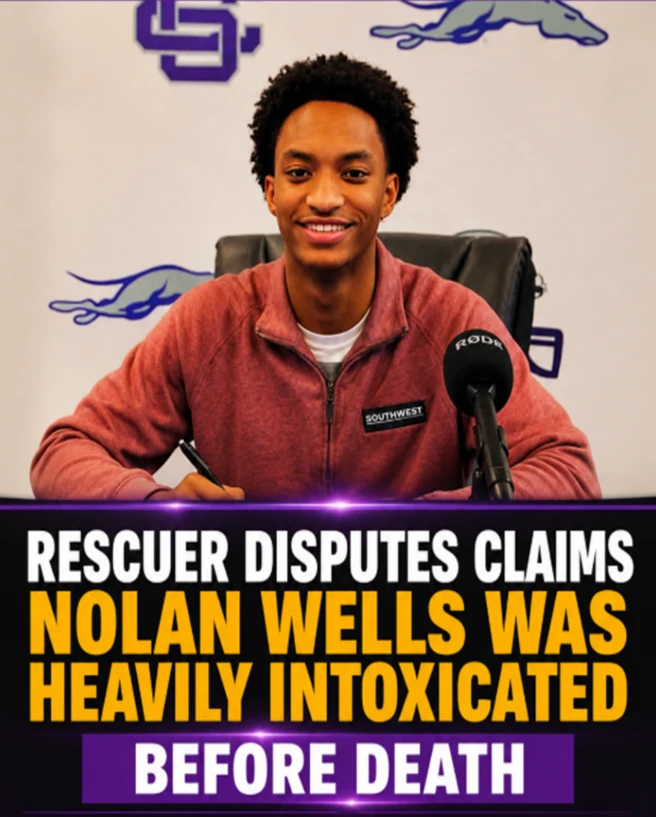
Brian Trascher, vice president and spokesperson for the United Cajun Navy, has cautioned the public against treating unconfirmed claims as established fact. According to Trascher, the narrative suggesting Nolan was extremely intoxicated may not accurately reflect his condition, and people should wait for official findings before reaching conclusions about what role alcohol may have played.
The issue became a major talking point after one of Nolan’s friends reportedly said the group had been drinking throughout the day. According to that account, people in the group became increasingly intoxicated as the hours passed. Images circulating online have also reportedly shown teenagers drinking, adding fuel to speculation about the events leading up to Nolan’s disappearance and death.
But Trascher argues that photographs and secondhand accounts do not necessarily tell the full story.
While images may show members of the group consuming alcohol, he emphasized that this alone cannot establish how intoxicated Nolan himself was at any specific point in time. Different people consume different amounts, and a photograph showing someone holding or drinking alcohol does not provide a reliable measurement of their blood alcohol concentration or level of impairment.

More importantly, Trascher said information provided to rescuers indicated that Nolan’s blood alcohol level was not at what would generally be considered an intoxicated level.
That claim, however, comes with an important caution: no official toxicology report has been publicly released.
Without confirmed toxicology results, there is currently no definitive public evidence establishing Nolan’s exact blood alcohol concentration at the relevant time. Trascher has therefore urged people not to present either version of events as conclusively proven until investigators or medical officials release verified findings.
The distinction has become increasingly important as discussion of Nolan’s death has expanded across social media.
In high-profile cases involving the death of a young person, early theories can quickly become accepted as fact. A single statement can be repeated hundreds or thousands of times, while photographs and short video clips may be interpreted without full context. Once a particular narrative takes hold, correcting it later can become extremely difficult—even when official evidence eventually points in another direction.
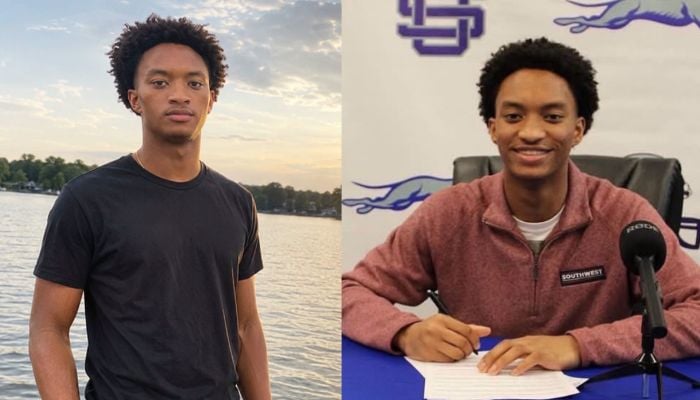
Trascher warned against exactly that problem.
His concern is that repeated claims about Nolan being heavily intoxicated could shape how the public views the teenager and the circumstances surrounding his death before all of the evidence is available. If those claims ultimately prove inaccurate or exaggerated, the damage to Nolan’s reputation and the public understanding of the case may already have been done.
At the same time, questions about alcohol cannot simply be ignored.
The statement attributed to Nolan’s friend—that the group had been drinking throughout the day and becoming increasingly intoxicated—remains part of the broader picture investigators may need to examine. Authorities will likely consider witness statements, timelines, photographs, videos, phone records, and medical evidence as they work to understand Nolan’s final hours.
But determining whether alcohol was present is different from determining whether Nolan was heavily intoxicated, and both questions are different again from determining whether alcohol contributed to his death.
Those distinctions matter.
A toxicology report could potentially help answer some of these questions by identifying substances found in Nolan’s system. However, even toxicology findings often require careful interpretation alongside other evidence. Investigators must consider timing, physical circumstances, witness accounts, and other factors before drawing conclusions about impairment or cause of death.
Until those findings are officially released, any definitive statement about Nolan’s level of intoxication remains unconfirmed.
For Nolan’s family and those who participated in the search, the continuing speculation adds another painful layer to an already devastating situation.
The search for Nolan brought together relatives, friends, community members, law enforcement, and volunteer organizations determined to find the missing teenager. The United Cajun Navy was among those involved in efforts surrounding the case, placing Trascher and other volunteers close to the search as information developed.
Now, attention has shifted from finding Nolan to understanding what happened to him.
The unanswered questions are significant.
What was Nolan doing in the hours before he disappeared? How much alcohol did he personally consume? What was his physical and mental condition at the time? Who saw him last, and what did they observe? Were there environmental or other circumstances that contributed to his death?
These are questions that cannot be reliably answered through social media speculation alone.
Trascher’s comments do not necessarily settle the debate over alcohol. Instead, they highlight the danger of reaching a conclusion before official evidence becomes available. His position is that the public should be cautious about accepting the claim that Nolan was heavily intoxicated simply because members of the group had reportedly been drinking.
The controversy also illustrates how quickly the narrative surrounding a tragedy can shift.
At first, the focus was on finding a missing teenager and supporting a desperate family. After Nolan was found dead, attention naturally turned toward determining how and why he died. As witness accounts and images began circulating, alcohol became one of the most discussed elements of the story.
But without an official toxicology report, a crucial piece of evidence is still missing.
That means the public is currently left with competing accounts: one suggesting the group had been drinking heavily throughout the day, and another from a rescuer who says information provided to search teams did not indicate Nolan’s blood alcohol level was high enough to be considered intoxicated.
Both claims will ultimately need to be measured against verified medical and investigative findings.
For now, the most responsible conclusion may be that there is still much the public does not know.
Nolan Wells was a teenager whose death has deeply affected those who knew him and a community that rallied during the search for him. Reducing his final hours to an unconfirmed narrative about alcohol risks overshadowing the larger questions surrounding his death and potentially creating a version of events that may later prove incomplete.
The official toxicology results, if and when they are released, could provide critical clarity. They may confirm some of the claims that have circulated, challenge them, or reveal a more complicated picture than either side currently understands.
Until then, Brian Trascher is urging people to separate what has been verified from what remains speculation.
Photographs may show alcohol. Witnesses may remember people drinking. Friends may describe the group becoming intoxicated. But none of those details, by themselves, conclusively establish Nolan’s individual level of impairment.
The truth about what happened to Nolan Wells will depend on evidence—not assumptions.
And until the official findings are made public, one of the biggest questions surrounding his final hours remains unanswered: was alcohol truly a major factor in Nolan’s death, or has an unconfirmed narrative taken hold before investigators have had the chance to reveal the full story?