
Makayla Settles Reported Sexual Assault. Her Father Was Reportedly Released After About Five Months in Jail..9446

Makayla Settles Moved to California to Start College. Her Father Was Released After About Five Months in Jail.
Makayla Settles had just graduated from high school in North Carolina when she moved across the country to live with her father and attend college. Two days after moving in, the 18-year-old called her mother in tears and asked to be picked up, telling her family that her father had sexually assaulted her. More than a year later, Stephen Vincent Chavez was reportedly released from a Ventura County jail after serving about five months of a one-year sentence.
California was somewhere Makayla had long dreamed of living, and the move gave her a chance to begin college in a place she had imagined making her home. She planned to stay with her father in Moorpark while she settled in. Several relatives traveled to California as well, intending to spend about a month there to help her adjust to life so far from North Carolina.
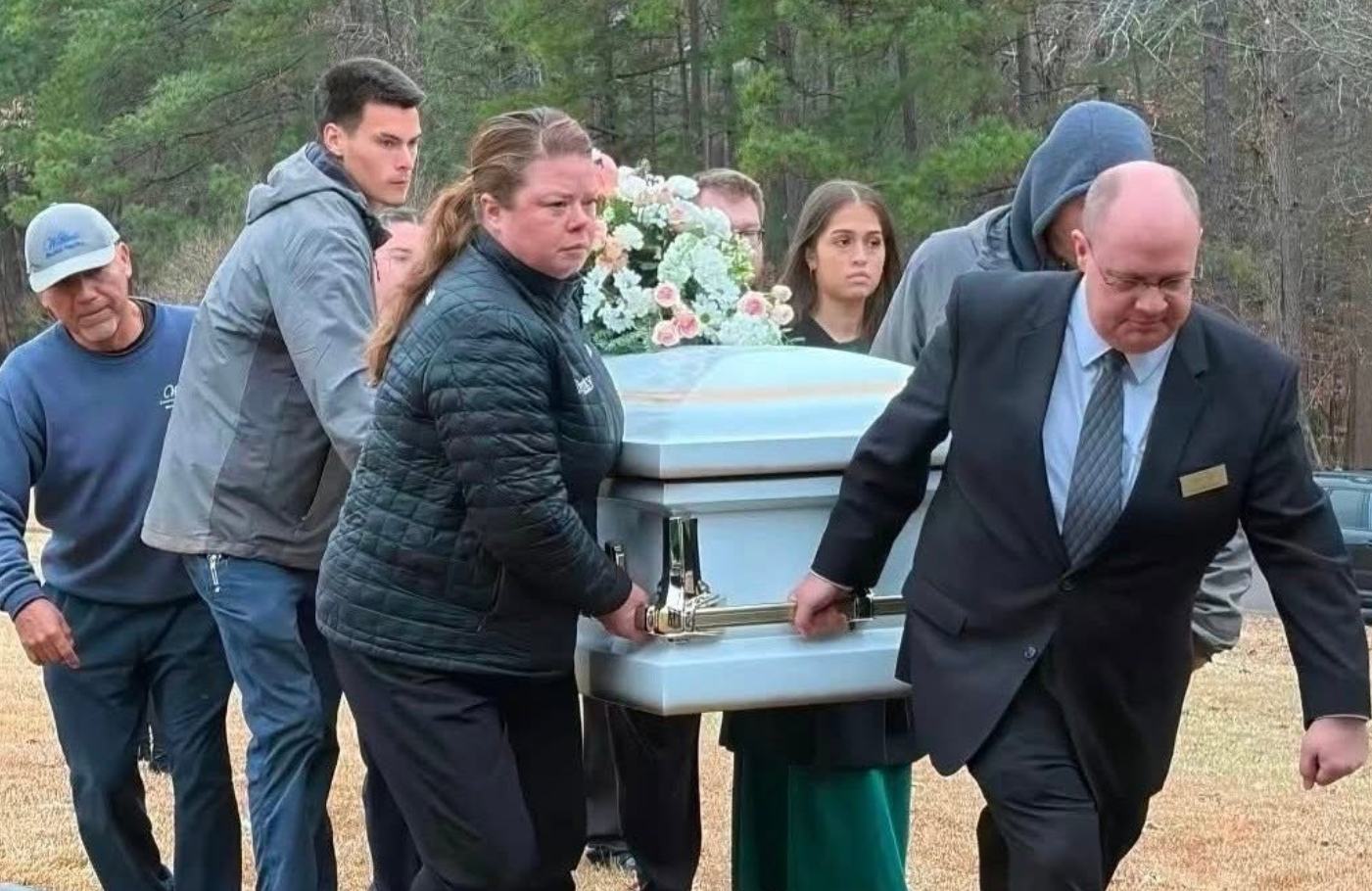
On July 21, 2025, Makayla called her mother and asked her to come get her. Her mother and uncle went to the house, where they found her in so much pain that her uncle carried her to the car, according to the family’s account. Makayla told them her father had given her alcohol and then sexually assaulted her over a period of several hours.
At the hospital, medical staff examined Makayla and collected evidence as part of a sexual assault examination. The account of the case says testing identified Chavez’s DNA in the samples collected during that exam. Makayla also described what happened in separate interviews with two investigators, giving authorities her own account of the night she had called her mother for help.
Chavez was arrested that day, and the initial charges included forcible rape and incest. A judge set bail at $500,000, and Chavez was released about a week later after posting it, according to the case account. That release came before the case was resolved, more than a year before the November release that followed his guilty plea and sentencing.
Makayla’s family said she struggled emotionally in the months after reporting the assault. During that time, she completed nail school and prepared to begin taking clients, an achievement that gave her a practical way to put her training to work. Her relatives recalled that she could smile and appear to be doing well even as she continued to struggle privately.

Three days after graduating from nail school, Makayla was taken to a hospital following a suicide attempt on December 22. Paramedics resuscitated her before she was hospitalized, but doctors declared her brain-dead six days later, according to the family’s account. Her relatives described the trauma she experienced after reporting the assault, though the available account does not establish a single cause for her death.
Makayla’s death also changed what prosecutors could present in court, because she could no longer testify about what she had reported. Her relatives were told that proceeding with the case could be difficult, even though she had spoken to investigators twice and evidence had been collected at the hospital. For the family, those interviews were especially significant because they preserved what Makayla herself had told authorities.
Prosecutors reviewed whether they could proceed on a rape charge before resolving the case. The DNA evidence and the recorded accounts mattered, but prosecutors still had to decide what they could prove at trial under the requirements of each charge. They concluded that incest was the sexual offense they could support and proceeded on that charge alongside a separate count of furnishing alcohol to a minor.

In May 2026, Chavez pleaded guilty to incest and furnishing alcohol to a minor. He also acknowledged Makayla’s vulnerability and admitted that he had taken advantage of his position of trust. Those admissions became part of the case the judge considered at sentencing, alongside the accounts of the relatives who came to court to speak about what had happened to Makayla and how her death had affected them.
At the June 23 sentencing hearing, several of Makayla’s relatives gave victim impact statements. They spoke through tears about losing her and about the trauma they said had followed the assault she reported. The hearing gave them a chance to speak directly to the court about Makayla as a daughter and family member whose plans for college and work were still taking shape.

A Ventura County Superior Court judge sentenced Chavez to one year in county jail followed by three years of probation. The maximum prison term available for the incest conviction was reported to be three years. Deputy District Attorney Tessa McCarty said after sentencing that prosecutors believed a state prison term was warranted, pointing to Chavez’s exploitation of his position as Makayla’s father.
Chavez was reportedly released from jail on November 9, about five months after sentencing. The available account does not explain how the jail calculated his release date or what credits, if any, applied to his sentence. The court’s order also included three years of probation, while the reported November release marked the end of his time in jail under that sentence.
For Makayla’s family, the outcome was far removed from the case they had expected after taking her to the hospital and learning that she had given investigators two statements. The original charges included forcible rape, while the eventual convictions were for incest and furnishing alcohol to a minor. The prosecutor’s own statement made clear that the district attorney’s office had sought a more substantial punishment than the county jail sentence the judge imposed.

The sentence and release also raise two distinct questions about the case: why prosecutors concluded they could pursue only the lesser sexual offense, and how much time Chavez ultimately spent in jail. Prosecutors gave an explanation for their charging decision, citing what they believed the law and evidence would support. The supplied account offers no equivalent explanation for the November release date, leaving that part of the story unresolved.
At the center of the case is the call Makayla made two days after moving in with her father. She asked her mother to come get her, accepted help from the relatives who arrived, and later spoke to investigators about what she said had happened. By the time her family appeared at sentencing, they were recounting both what Makayla had reported and the life she had been trying to build afterward.
Makayla had graduated from high school, crossed the country for college, and finished nail school with plans to take clients. Those milestones help explain what her family brought to the courtroom when they spoke about losing her. The case ended with a guilty plea and a jail sentence, and the reported release has renewed attention to the distance between the punishment prosecutors sought and the time Chavez spent behind bars.