A Father of Two Went for a Run. A Dog Attack Left Him Unable to Use Either Hand.9453

A Father of Two Went for a Run. A Dog Attack Left Him Unable to Use Either Hand.
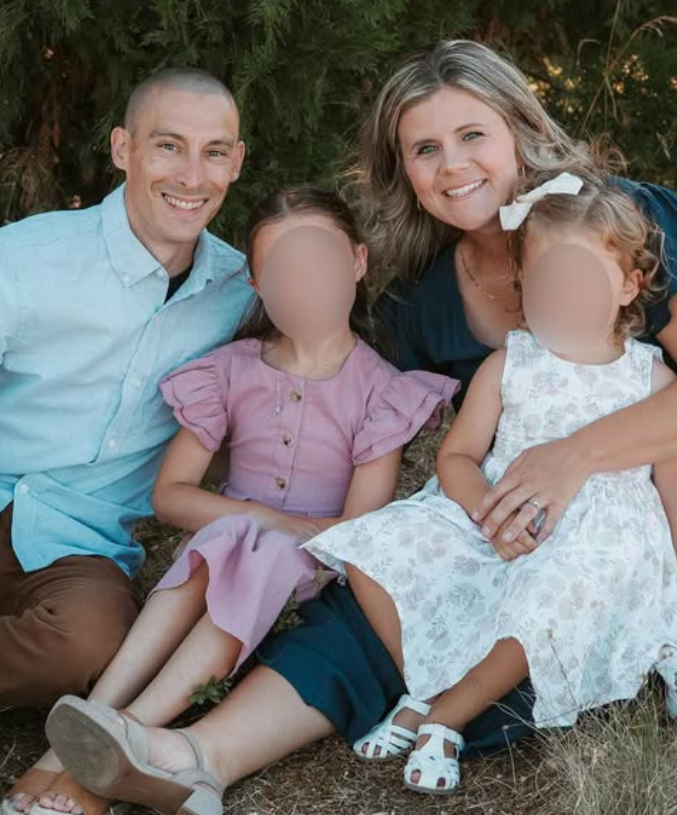
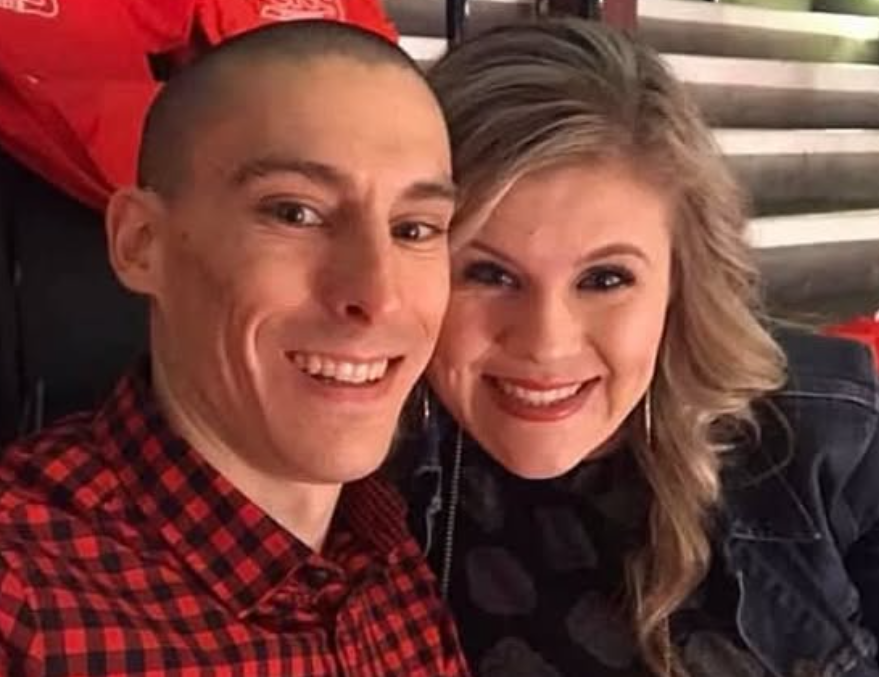
Shawn Jung was running through a public park in Salem, Oregon, when two dogs suddenly attacked him. The 36-year-old father of two and elementary school physical education teacher suffered serious injuries, including deep wounds to his hands and arms. In an update shared through a fundraiser for his family, organizers said he was unable to use either hand.
The attack happened on Monday, November 2, 2026, at Riverfront Park. Jung was out for a run, an ordinary part of a day that ended with injuries affecting both arms. His family now faces a recovery whose earliest challenges include getting through everyday tasks that most people do without thinking about how much they rely on their hands.
According to the GoFundMe campaign, the dogs belonged to a woman who regularly visited the area. The organizers allege that she watched the attack without intervening, shouted profanities, and then left while Jung was still in distress. The campaign is the source of that account, including the description of the woman’s actions during the attack.
The fundraiser described deep wounds in several areas of Jung’s body, with some of the most serious injuries involving his hands and arms. Both arms were injured, leaving him without an unaffected hand to take over the work of the other. That detail gives a sense of how much the attack changed his immediate circumstances, even beyond the pain of the wounds themselves.
Consider getting dressed in the morning, starting with reaching for a shirt, slipping an arm through a sleeve, and pulling the fabric into place. Opening a container, answering a phone, or carrying a glass of water requires a different series of movements, most of which people make without looking down. With neither hand available, even a familiar task can require another person’s help from beginning to end.
For a father of two, those limitations reach into some of the smallest moments of family life. Tying a child’s shoelaces, opening a snack, or getting the pieces of a toy apart are the kinds of things a parent might do several times in a day. The injury can change who does those things and how the household gets through the routines it already had.
Jung also teaches physical education to elementary school students, a job in which showing children how to do something is often as important as explaining it. A teacher might demonstrate how to catch a ball, set out equipment for an activity, or use a simple gesture to bring a noisy group back together. His work gives another measure of how often he relies on the parts of his body that were most seriously injured.
The update gives a picture of Jung’s condition at the time it was shared, with both hands still unusable. The family is preparing for a long and painful recovery, and the fundraiser gives no date for when he might regain the ability to use them. In the meantime, the effects of the attack are present every time a task calls for a grip, a steady wrist, or two hands working together.
Some tasks require one hand to hold an object still while the other works. To open a bottle, for example, one hand grips the container and the other twists the cap, a quick motion that is easy to overlook until it becomes difficult. Injuries to both hands leave fewer ways to adapt, even in a room full of things a person already knows how to use.
A long recovery can change the pace of a household in ways people outside it may rarely see. Getting ready to leave the house can take more planning, and several small requests for help can fall within the same hour. For a family with two children, those changes are happening alongside the meals, school routines, and other ordinary responsibilities that keep coming each day.
The park setting is part of what makes the account so unsettling. A public path is a place where someone can go for a run without thinking about who else will be there or how the outing might end. For Jung, a familiar kind of activity became the dividing point between the life he was going about that morning and the recovery his family is now facing.
The fundraiser puts the focus on what the attack has meant for Jung after he left the park. Readers learn that the injuries were widespread, that both arms were hurt, and that he could not use either hand when the update was posted. Those details explain why help for his family matters well beyond the immediate aftermath of the attack.
Support in a situation like this can include ordinary things that fit into a busy family’s week. A prepared meal can spare someone the work of opening packages, cutting ingredients, and lifting pans, while help with an errand can free up time at home. The fundraiser gives people who hear about Jung’s injuries another way to help his family as they adjust.
As recovery continues, progress may be easiest to recognize in movements that once seemed too small to notice. Holding a cup, managing a zipper, or turning a key can give a person back a piece of privacy and independence. The timing and extent of Jung’s recovery remain unclear from the update, and his family is facing the practical demands of each day as it comes.
There is also the adjustment of asking for help with something a person has done alone for years. Needing another set of hands to deal with a stubborn button or open a door changes the rhythm of even a quiet morning. That loss of independence is one of the clearest ways to understand what it means for Jung to have both hands affected at once.
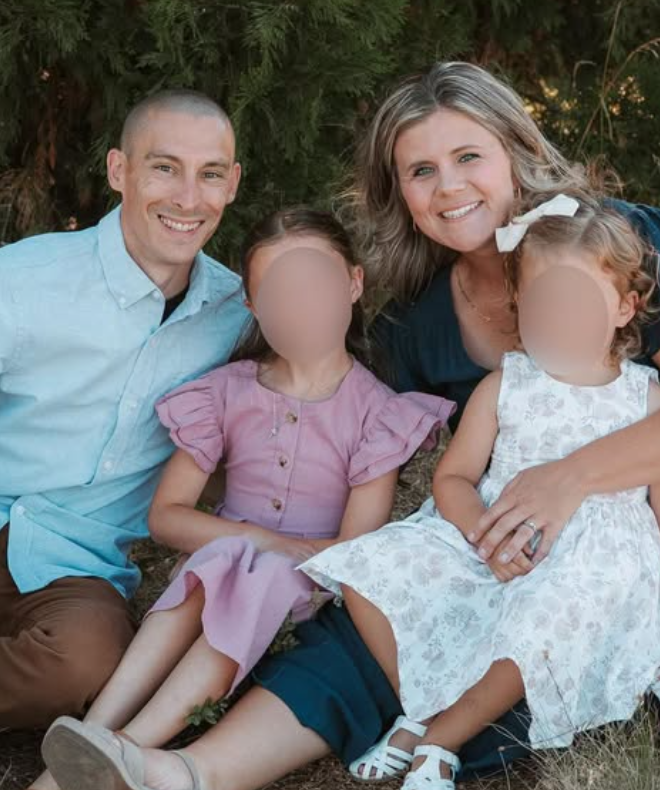
The fundraiser introduces Jung through two roles that matter to the people around him, as a father and as a teacher. His children know him through the everyday time they spend with him, and his students know him as the adult who helps them learn to move, play, and try again when an activity is hard. Both parts of his life help explain what he and his family have to navigate while he heals.
The attack itself took place during one run, but its consequences now reach across the rest of Jung’s day. They show up at home in tasks that need another person’s hands and in the uncertainty surrounding his return to activities he did easily before. The campaign was set up to support his family through that period, while so much about the course of his recovery is still unknown.
For now, the family’s most concrete update is also its hardest one to read. Shawn Jung went out for a run, and after the attack, he was left unable to use either hand. The people supporting him are hoping that, with time, he will regain the independence to handle the ordinary moments of his day and take part in the routines he shares with his children.Full story in the comments