Five Young Lives Lost in Memphis Police Cruiser Crash, One Survivor Remains Critical.9279

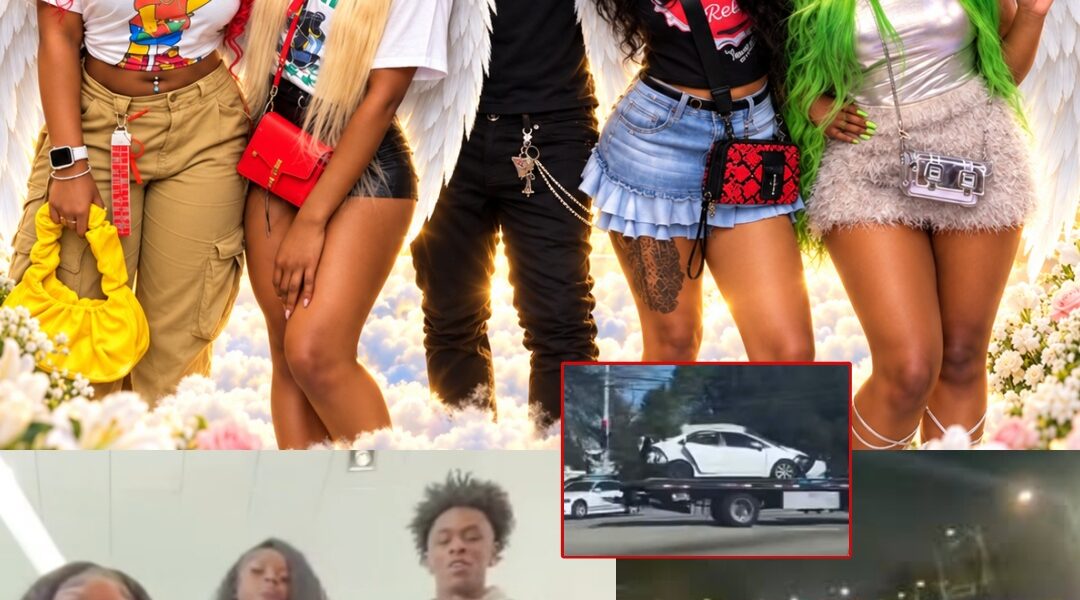
Five young people died in an early Sunday morning collision in Memphis, leaving loved ones grieving and a sixth occupant hospitalized in critical condition. The October 11, 2026, crash involved a civilian vehicle and a Memphis police cruiser at Hickory Hill Road and Raines Road. Behind the devastating death toll are people whose lives deserve to be remembered beyond the circumstances of their final moments.
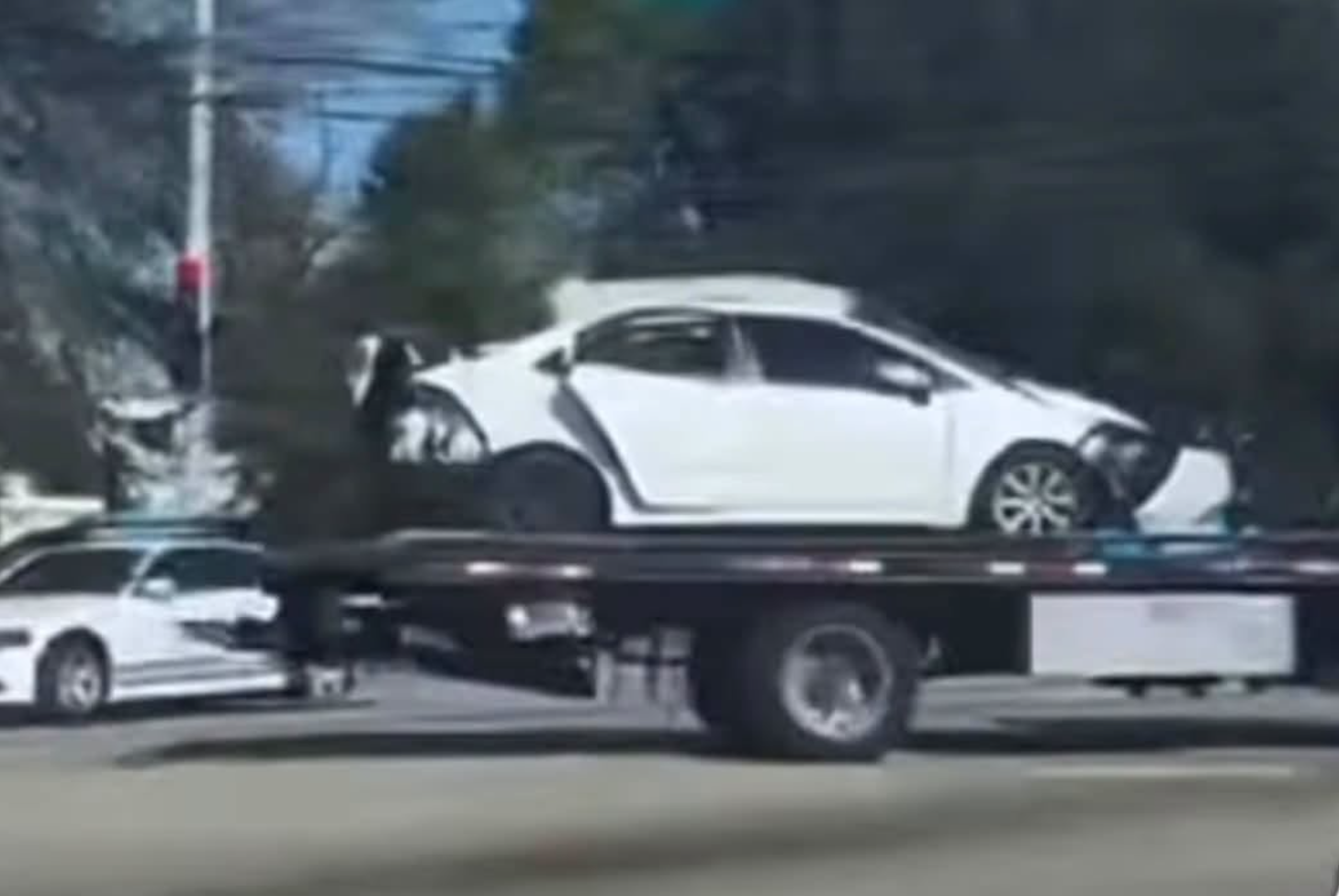
According to the Memphis Police Department, the collision happened at approximately 12:26 a.m. while officers were responding to a report that someone had been shot. Four occupants of the other vehicle were pronounced dead at the scene, while two others were transported to a hospital. One of those hospitalized occupants later died, bringing the number of fatalities to five.
The two officers were also taken to the hospital, initially in critical condition, and local reporting subsequently said both had been released. The surviving civilian occupant remained critically injured in the latest reporting reviewed for this story. Those updates leave two painful realities side by side: five lives have ended, and another person’s recovery remains uncertain.
For the people closest to those killed, the number five cannot begin to explain the loss. Each person belonged to a circle of relationships, carrying a history that relatives and friends understood in ways strangers never could. A public announcement can establish what happened, but it cannot capture everything that disappears when someone loved does not come home.
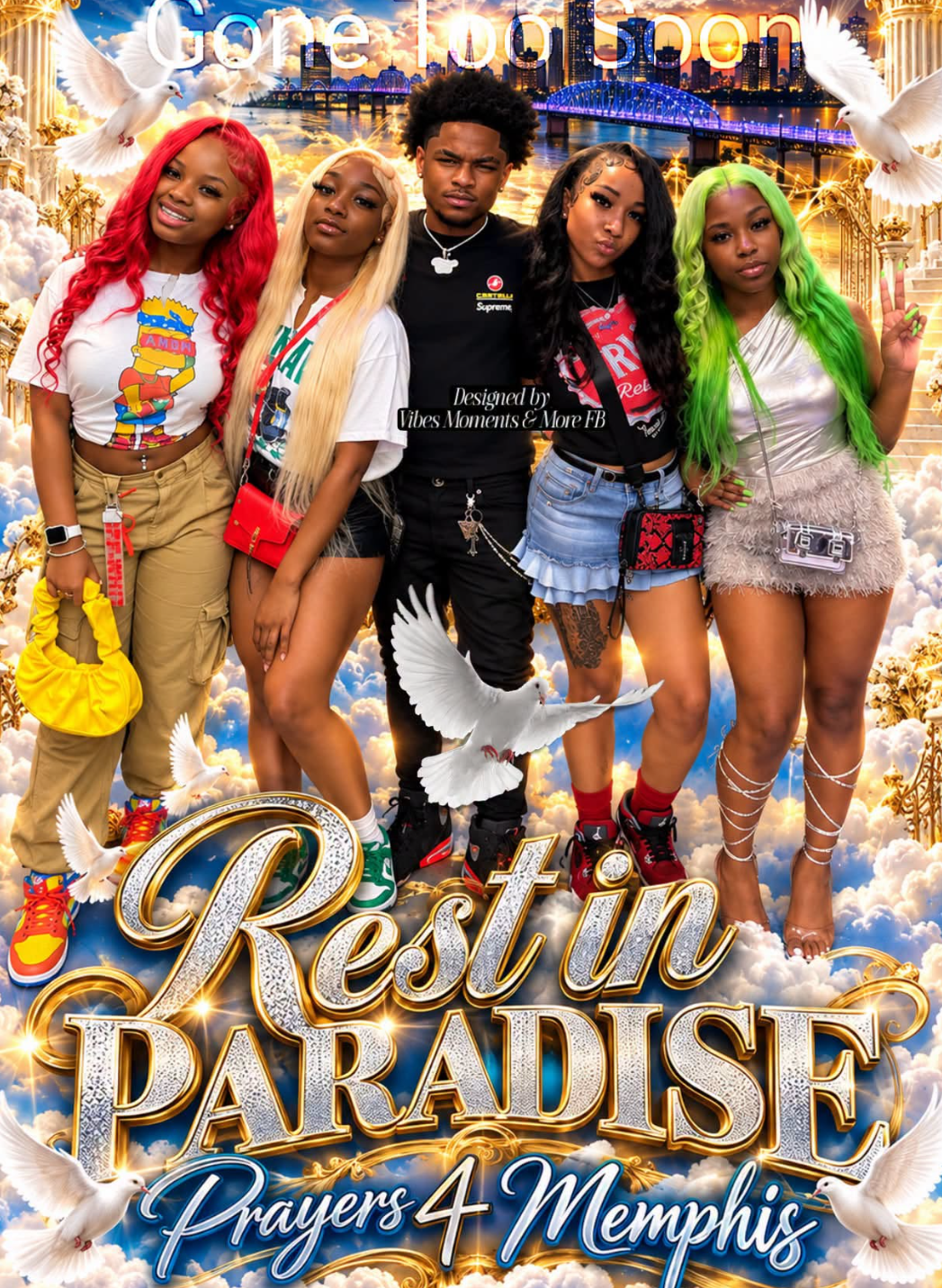
Local reporting identified two victims as twenty-year-old Rodney McNeal and twenty-one-year-old Syria Fifer. Another report identified twenty-two-year-old Messiah Lee among those killed and said she had recently received her nursing degree. These details begin to restore individual identities to a tragedy that first reached the public through emergency updates and a devastating count of deaths.
The remembrance post shared for this story also names Carlesha and Amerika among those being mourned. It identifies the surviving occupant as Terry, although that name was not independently confirmed in the reporting reviewed here. Those distinctions matter because honoring people accurately means being careful with their identities, particularly while families are receiving news and an investigation remains unfinished.
Rodney’s former football coach, Cory Robinson, remembered him as someone whose humor and good spirits made an impression on others. Robinson’s account described a young man who enjoyed life and became like family to him. That remembrance offers something the crash statistics cannot: a glimpse of the person people knew before his name appeared in a fatal collision report.
Syria’s family likewise described her warmth, kindness, and ability to bring happiness to the people around her. Their tribute focused on the affection she inspired and the light they associated with her presence. It is a reminder that mourning begins with a relationship, with knowing the particular person whose absence now changes everything familiar.
The report about Messiah’s nursing degree gives another concrete measure of a future interrupted. Earning a degree represents work already completed, alongside possibilities that have yet to unfold. Her death leaves those who knew her mourning both the life she lived and the next chapter she had been preparing to enter.
Not every victim’s biography has been established in the available reporting, and those missing details should never become an invitation to invent. Carlesha and Amerika deserve the same dignity and attention as the people whose stories have already been publicly shared. Their loved ones hold memories that no article can responsibly manufacture or replace with assumptions about their personalities and plans.
At the crash site, a makeshift memorial grew as people gathered to remember those who died. Local reporting described a Monday evening vigil for Rodney and plans for another gathering Tuesday honoring Syria and two others. Such gatherings give grief a shared space, allowing people to acknowledge a loss that can feel impossible to carry alone.
The supplied remembrance announcement lists a Tuesday, October 13, vigil at 6 p.m. at 4183 Hickory Hill, honoring Syria, Carlesha, and Messiah. It asks attendees to bring purple balloons for Syria, pink for Carlesha, and red for Messiah. These arrangements come from that announcement and should be checked with organizers before anyone relies on them for attendance.
The colors give each person a distinct place within a shared remembrance. For those attending, even a simple balloon may become a way to express love when speaking feels too difficult. A vigil cannot undo the collision, but it can make room for names, memories, silence, and the presence of people willing to stand beside the bereaved.

Meanwhile, the surviving occupant’s critical condition remains an essential part of this story. Public attention naturally turns toward the deaths, yet the person still hospitalized also deserves care, privacy, and accurate updates. Without a verified medical statement, there is no basis to describe specific injuries, treatment decisions, or a likely outcome.
For that person’s loved ones, hope exists alongside the knowledge of what happened to the others in the vehicle. Outsiders should resist turning that uncertainty into predictions, however comforting or dramatic those predictions might sound. The most responsible expression of support is one that leaves room for the medical reality and respects what the family chooses to share.
The Tennessee Highway Patrol is conducting the crash investigation, according to the police department’s announcement. The official statement establishes the emergency response context and the reported casualties but does not explain the sequence that caused the vehicles to collide. Determining responsibility requires evidence beyond the terrible outcome itself.
Questions about vehicle speeds, traffic signals, emergency lights, and sirens are understandable after a collision involving a police cruiser. Asking those questions does not establish what the answers will be or prove that either driver caused the crash. Families and the public deserve findings supported by evidence, with uncertainty clearly identified wherever investigators have not reached a conclusion.
The officers’ response to a reported shooting is relevant context, but it cannot explain every movement through the intersection. Likewise, the number of people killed cannot establish which vehicle had the right of way or what either driver could see. A careful account must hold both the urgency of the original call and the unanswered circumstances of the collision in view.

The remembrance post also raises the question of whether dashcam footage should be released following a fatal crash involving police. If relevant recordings exist, they could help clarify parts of the sequence, although no such footage was verified for this article. Any discussion of disclosure should acknowledge the families whose loved ones may appear in distressing images.
Transparency should help people understand the evidence and the conclusions drawn from it. It should also avoid turning the last moments of someone’s life into material circulated casually for attention. The public interest in answers and the dignity of the people involved both deserve consideration as information becomes available.
Beyond the investigation, there is the quieter work of supporting those affected after the first wave of attention passes. Help may mean listening, respecting a request for privacy, or responding to a need the family has actually expressed. Compassion becomes useful when it follows the bereaved person’s wishes instead of demanding that grief take a public form.

There is no timetable that tells relatives or friends when this loss should become easier to discuss. A person may want to share a memory one day and avoid conversation the next. Both responses deserve patience, especially when the surrounding public conversation continues to focus on questions that cannot yet be answered.
Memphis is now confronting a tragedy with two intertwined responsibilities: remembering the people who died and establishing how the collision happened. Neither responsibility should erase the other, and neither is fulfilled by speculation or a brief burst of sympathy. The families deserve accurate information, sustained compassion, and space to speak about their loved ones in their own words.
Rodney, Syria, Messiah, Carlesha, and Amerika are the names carried in the remembrance shared for this story. Alongside their memory remains hope for the surviving occupant and concern for everyone affected by the crash. As the investigation continues, the clearest truth is already heartbreaking: five young lives have been lost, and the people who loved them face a future profoundly changed.