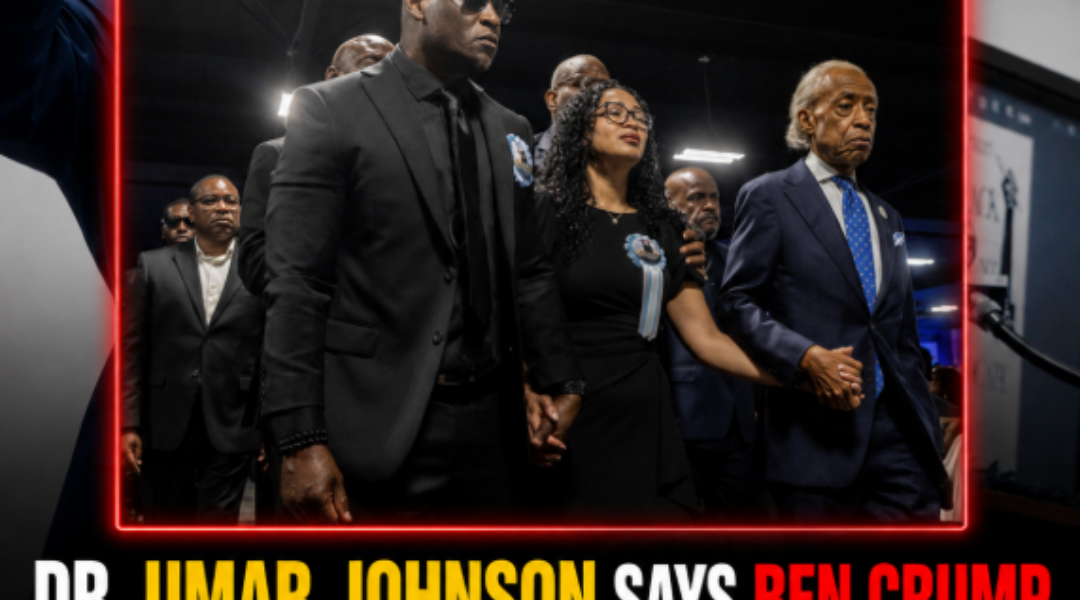
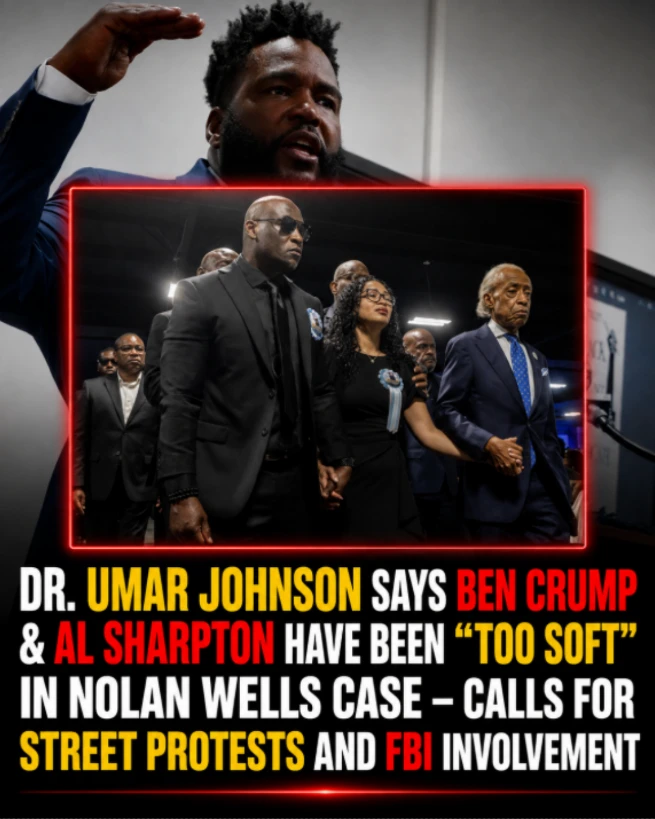
Dr. Umar Johnson Says Ben Crump and Al Sharpton Have Been “Too Soft” in Nolan Wells Case.983

The investigation into the death of 18-year-old Nolan Wells is drawing renewed attention after Dr. Umar Johnson publicly criticized the response from civil rights attorney Ben Crump and Rev. Al Sharpton, arguing that both men have been “too soft” and should be demanding stronger federal involvement. During a nearly 90-minute interview released by The Art of Dialogue, Johnson questioned the handling of the case, called for the FBI to play a larger role and urged supporters of the Wells family to organize public demonstrations. He also presented his own theories about how Nolan may have died—claims that have not been established by investigators and should not be confused with official findings.
Nolan Wells disappeared during a July 4, 2026 boating trip near Horn Island, Mississippi. The 18-year-old had reportedly been spending the holiday with friends when he went missing. A major search followed, involving authorities and others attempting to locate him around the island and surrounding waters. Days later, the search ended in tragedy when Nolan’s body was recovered near Horn Island. His death immediately generated questions from relatives and supporters who wanted to know exactly what happened during the hours before he disappeared.
Authorities began investigating the circumstances surrounding Nolan’s death, while his family sought independent answers. Civil rights attorney Ben Crump became involved, bringing national attention to the case. Rev. Al Sharpton also publicly supported the family. Their involvement increased scrutiny of the investigation, particularly as questions circulated online about the people who had been with Nolan before his disappearance and the timeline surrounding the boating trip.
Dr. Umar Johnson now says that response has not gone far enough.
During his interview, Johnson repeatedly criticized what he characterized as an overly cautious approach. “They have been too humble… too docile… too meek… too soft,” he said. His criticism centered on the belief that relying primarily on local authorities is insufficient and that federal investigators should become more deeply involved.

Johnson specifically argued that Crump and Sharpton should pressure the FBI to take a larger role rather than allowing the Jackson County Sheriff’s Department to remain at the center of the investigation. His comments reflected a broader distrust of whether local authorities can deliver the answers Nolan’s family is seeking, although his concerns do not themselves establish misconduct by the sheriff’s department or other officials handling the case.
Johnson also focused heavily on the absence of sustained public demonstrations.
“You are dealing with Mississippi, and you have not activated any street protests,” Johnson said. He argued that public pressure could force greater attention onto the case and suggested that traditional legal advocacy alone may not be enough. “Sister Christine and Brother Nolan are not going to get justice… if Benjamin Crump doesn’t activate a street protest,” he added.
He ultimately called for what he described as a “street activism campaign,” urging Crump, Sharpton and supporters of the Wells family to mobilize publicly. The comments represent Johnson’s opinion about how the family’s advocates should proceed, rather than an indication that investigators have stopped working the case.

Another major point of contention involves Nolan’s autopsy and toxicology information.
District Attorney Angel Myers McIlrath has said the state autopsy and toxicology reports will remain sealed until they are reviewed by a grand jury, describing that procedure as standard practice in non-natural death investigations. Keeping evidence from public release while a criminal investigation or grand jury process is underway does not by itself indicate that evidence is being hidden improperly. Prosecutors routinely restrict sensitive investigative information before grand jury proceedings.
Johnson, however, described the situation as a “big problem.”
He questioned whether Crump and Sharpton would be prepared to organize demonstrations once the case reaches the grand jury stage, suggesting that the family and public should continue applying pressure while waiting for more information. For people following Nolan’s case, the sealed reports have become particularly important because they could contain evidence relevant to determining the cause and manner of his death.
But Johnson’s most striking comments came when he moved beyond criticism of the investigation and offered his own theory about what may have happened to Nolan.
Johnson said he believes Nolan may have been killed while aboard the boat with his friends and then placed into the water in an effort to make his death appear to be a drowning. He also raised another possibility: that Nolan could have been killed, his body held overnight and later placed in the water or moved to another island near Horn Island.

These are serious allegations, but they remain Johnson’s theories—not established facts. No person should be described as responsible for Nolan’s death without evidence and an official finding supporting that conclusion. The fact that Nolan was with other people before disappearing does not, on its own, prove that any of them harmed him or participated in a cover-up.
That distinction is especially important because speculation surrounding unexplained deaths can spread rapidly on social media. Questions about timelines, witness accounts or physical evidence are legitimate subjects for investigators to examine, but they do not automatically establish homicide.
For Nolan’s family, the central issue remains obtaining a clear and credible explanation for how their 18-year-old son died.
The case has drawn emotional reactions because Nolan was young, his disappearance occurred during what should have been a holiday outing, and his body was subsequently recovered from the water. When circumstances remain unclear and key investigative documents are not yet public, uncertainty can create an environment where competing theories quickly gain traction.
Crump’s involvement also ensures that the investigation will continue receiving significant attention. He has represented families in numerous nationally prominent civil rights and wrongful-death cases and has frequently pushed for independent investigations when relatives questioned official accounts. Sharpton likewise has decades of experience organizing public demonstrations and advocating for families whose cases became part of national discussions about race and justice.
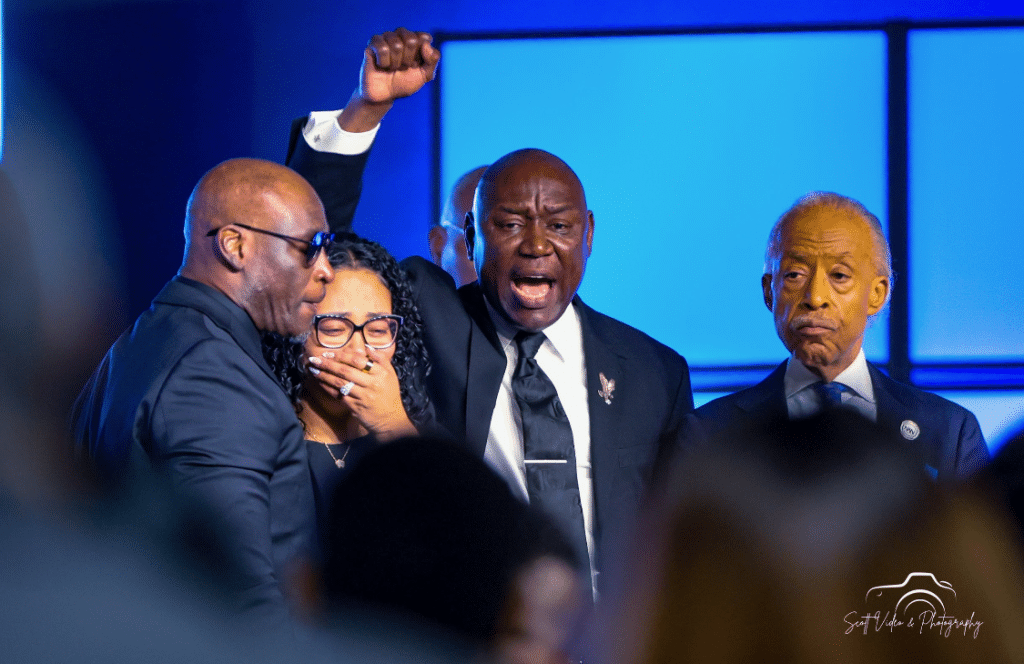
Johnson’s argument is essentially that both men should use those tools more aggressively in Nolan’s case.
Whether public protests or additional FBI involvement would materially change the investigation remains uncertain. Federal agencies operate under specific jurisdictional requirements, and local and state authorities frequently remain responsible for investigating deaths occurring within their jurisdictions unless circumstances create a federal basis for intervention or federal assistance is requested.
The grand jury process may ultimately become one of the most important stages of the case. Prosecutors can present evidence and witness testimony to grand jurors, who then consider whether sufficient grounds exist for criminal charges. The fact that a case is reviewed by a grand jury does not guarantee an indictment, nor does the absence of charges necessarily answer every question a family may have.
For now, several critical pieces of information remain outside public view. The complete autopsy findings, toxicology results and other investigative evidence could significantly shape how Nolan’s death is understood. Until those materials are released or described through official proceedings, many claims circulating publicly remain speculation.
Johnson’s interview has nevertheless placed fresh pressure on those involved.
His message was unmistakable: he believes quiet advocacy is not enough. He wants Crump and Sharpton to demand greater federal scrutiny, organize demonstrations and challenge authorities more aggressively for answers.
At the same time, his theory that Nolan was killed aboard the boat and later placed in the water remains unproven. Investigators—not commentators or social-media users—will need to determine whether physical evidence supports homicide, an accident or another explanation.
Nearly every major question therefore leads back to evidence that has yet to become public.
What exactly did the autopsy reveal? What does the toxicology report show? What happened aboard the boat before Nolan disappeared? Do witness accounts match the physical evidence? And most importantly, will the grand jury find evidence suggesting that another person was responsible for Nolan Wells’ death?
Until those answers emerge, Dr. Umar Johnson’s explosive accusations are likely to intensify an already emotional case. But the next major development may come not from an interview or protest—it could come from what investigators, forensic evidence and the grand jury ultimately reveal about Nolan’s final hours.