
Eric Smith: The 13-Year-Old Killer Who Spent Nearly Three Decades Behind Bars Before Finally Being Released.964

In August 1993, the quiet village of Savona, New York, became the scene of one of the most disturbing child murder cases in American history. Four-year-old Derrick Robie disappeared while walking alone to a nearby summer camp, a trip that normally took only a few minutes. Hours later, the community’s worst fears were confirmed when his body was discovered in a wooded area near a local park. The investigation quickly revealed an unimaginable truth: the killer was not an adult, but 13-year-old Eric Smith.

According to investigators, Smith encountered Derrick as the young boy walked toward the camp on the morning of August 2, 1993. Prosecutors said Smith convinced the child to follow him into a secluded wooded area away from public view. Once there, the encounter turned into a brutal attack that shocked even experienced investigators.
Authorities said Smith strangled Derrick, dropped a large rock on his head, sexually assaulted him with a tree branch, and left his body in the woods before returning home. The level of violence stunned the nation, particularly because it had been committed by a teenager barely old enough to attend middle school.
Police soon focused on Smith after noticing inconsistencies in his statements. During questioning, he eventually confessed to killing Derrick and led investigators through what had happened. The confession became one of the central pieces of evidence in the case.
As the investigation continued, attention turned to Eric Smith’s troubled childhood. Family members, teachers, and classmates described him as an isolated boy who had endured years of relentless bullying. He was frequently mocked because of his appearance, including his distinctive red hair, thick glasses, freckles, and protruding ears. Witnesses said he was often humiliated, rejected by classmates, and struggled to fit in socially.
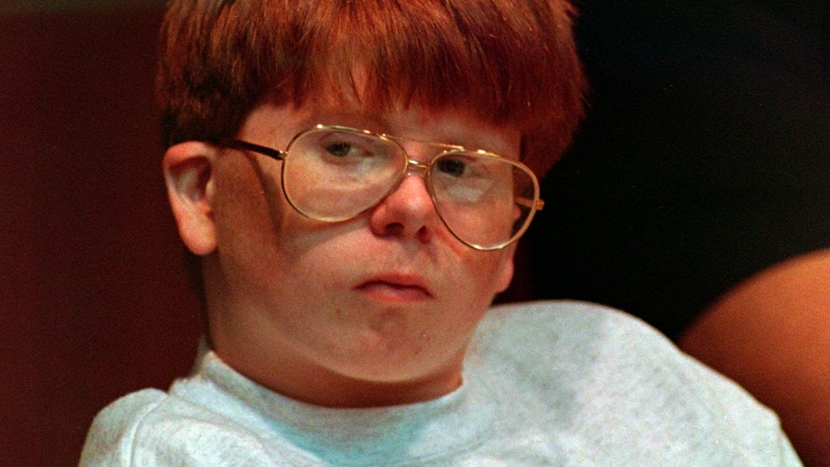
Mental health experts also testified that Smith suffered from significant emotional and psychological problems. His defense argued that years of abuse, bullying, and untreated mental health issues had severely damaged his ability to think and behave normally. Attorneys maintained that he was emotionally disturbed and should not be judged in the same way as an adult offender.
Prosecutors, however, painted a different picture. They argued that despite his emotional struggles, Smith clearly understood the difference between right and wrong. They pointed to the deliberate manner in which he lured Derrick into the woods, the attempts to conceal the crime, and his actions afterward as evidence that he knew exactly what he was doing.
Because of the seriousness of the offense, Smith was tried as an adult in 1994 despite being only 14 years old at the time of trial. The proceedings attracted national media attention, with many Americans struggling to comprehend how someone so young could commit such an extraordinarily violent crime.
Throughout the trial, jurors heard detailed testimony about both the crime and Smith’s background. Mental health professionals offered conflicting opinions regarding his psychological condition, while prosecutors emphasized the brutality of the murder and the suffering inflicted upon four-year-old Derrick Robie.
Ultimately, the jury rejected the defense’s insanity argument. Smith was found guilty of second-degree murder, meaning jurors concluded that he intentionally caused Derrick’s death while fully understanding the nature of his actions.
The judge sentenced Smith to nine years to life in prison. Although the sentence allowed the possibility of parole, it guaranteed that he would spend many years incarcerated before becoming eligible for release.
Smith initially served his sentence in a juvenile correctional facility. Once he reached adulthood at age 21, he was transferred into New York’s adult prison system, where he would spend the majority of the next two decades.
Beginning in 2002, Smith became eligible to appear before the New York State Parole Board. Every two years, he requested release, hoping commissioners would conclude that he had been rehabilitated.
Time after time, those requests were denied.
Parole board members consistently cited the horrific nature of Derrick Robie’s murder. They acknowledged Smith’s participation in educational and counseling programs but repeatedly concluded that releasing him would diminish the seriousness of the crime and undermine public confidence in the justice system.
Over the next twenty years, Smith was denied parole ten consecutive times.
Each rejection meant another two years behind bars before he could apply again.
While incarcerated, Smith reportedly maintained a relatively clean disciplinary record, completed numerous rehabilitation programs, participated in therapy, and attempted to prepare for life outside prison. Supporters argued that the teenager who committed the murder no longer resembled the middle-aged man who had spent nearly three decades behind bars.
Critics disagreed.
Many believed that the extreme violence inflicted upon Derrick Robie made Smith undeserving of release regardless of how much time had passed. For Derrick’s family, no amount of rehabilitation could erase the devastating loss of a four-year-old child whose life had barely begun.
Everything changed during Smith’s eleventh parole hearing in October 2021.
This time, commissioners concluded that several factors weighed in favor of release. They pointed to his lengthy period without disciplinary problems, years of rehabilitation efforts, expressions of remorse, extensive counseling, and a structured release plan designed to help him reintegrate into society.
The board emphasized that parole did not erase the crime or represent forgiveness. Instead, commissioners determined that Smith no longer posed the same level of risk that had existed decades earlier and that continued incarceration was no longer necessary under New York’s parole standards.
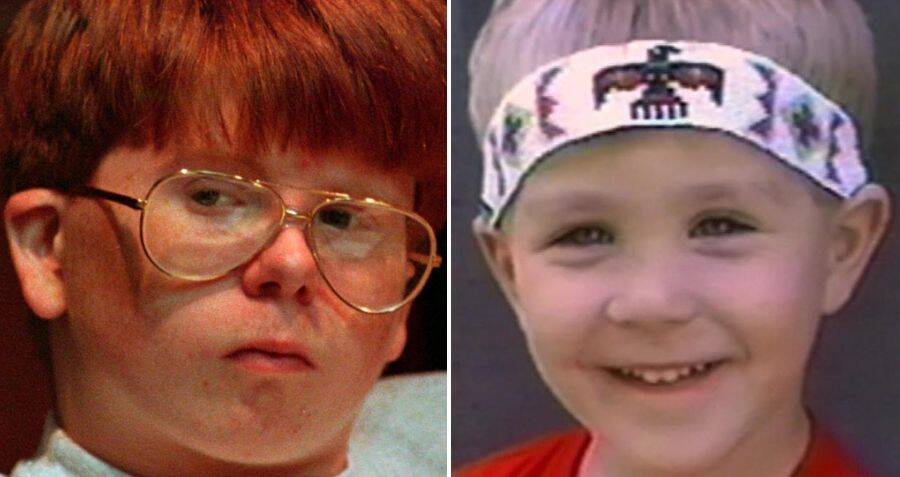
After nearly twenty-nine years in prison, Eric Smith walked free in February 2022 at the age of 41.
His release immediately reignited national debate.
Some argued that the justice system had worked exactly as intended by punishing a juvenile offender while recognizing that children can change dramatically over time. Others insisted that the brutality of Derrick Robie’s murder justified lifelong imprisonment, regardless of Smith’s rehabilitation.
Even after leaving prison, Smith’s sentence did not truly end.
He remains on lifetime parole, meaning he must comply with strict supervision requirements for the rest of his life. Violating those conditions could result in his return to prison.
The Robie family has continued to express the lasting pain caused by Derrick’s murder, reminding the public that while Smith eventually regained his freedom, Derrick never had the opportunity to grow up. Their loss has remained unchanged despite the passing of nearly three decades.
The case also continues to influence discussions about juvenile justice in the United States. It raises difficult questions that still divide legal experts, psychologists, and the public: Can a child who commits an exceptionally violent crime truly be rehabilitated? Should someone who kills at 13 be judged forever by the actions of a troubled adolescent? Or are some crimes simply too horrific to justify release, regardless of age?
There are no easy answers.
What remains undisputed is that on a summer morning in August 1993, four-year-old Derrick Robie lost his life in a crime that horrified America. Eric Smith spent nearly twenty-nine years behind bars before earning parole, but the case continues to stand as one of the nation’s most unforgettable examples of juvenile violence, reminding people that behind every courtroom debate and parole hearing is a little boy whose future was taken away far too soon.