GRAND JURY DECLINES TO INDICT GRANDMOTHER AFTER 10-MONTH-OLD SCOTTIE CROWELL DIES IN HOT CAR.9345

GRAND JURY DECLINES TO INDICT GRANDMOTHER AFTER 10-MONTH-OLD SCOTTIE CROWELL DIES IN HOT CAR — A FAMILY LEFT WITH UNIMAGINABLE GRIEF
The loss of a child is a pain no parent should ever have to endure, and for Sydni and Micah Crowell, a day that began like any other became a tragedy that would forever change their family. Their 10-month-old daughter, Scottie Gwyn Crowell, died after being left inside a hot vehicle for approximately eight hours, leaving behind a little brother, devastated parents, and a family struggling to comprehend how such a heartbreaking loss could happen.
More than two months after Scottie’s death, a Kentucky grand jury declined to indict her grandmother, Dr. Stacey Fazenbaker, meaning she will not face criminal charges in connection with the incident based on the grand jury’s decision. Prosecutors explained that jurors returned a “no true bill,” indicating they found insufficient probable cause to issue an indictment. The decision has brought a significant development in the investigation, but it cannot undo the loss of a little girl whose life had barely begun.
According to investigators, Fazenbaker picked Scottie up from her daughter’s home on the morning of August 13, 2026, intending to take the baby to daycare before going to work as a physician. Instead, investigators said she drove directly to the hospital, apparently forgetting that her granddaughter remained in the vehicle.
Scottie stayed inside the car for approximately eight hours.
The heartbreaking discovery came around 4 p.m., when Scottie’s father, Micah, arrived at daycare to pick up his daughter and learned she had never been dropped off that morning. Confused and alarmed, he contacted his wife, Sydni, who then called her mother to find out what had happened. What followed was a frantic attempt to reach the baby, but the family would soon receive news that no parent or grandparent could ever be prepared to hear.
Fazenbaker reportedly rushed outside with several coworkers to retrieve Scottie from the vehicle, but it was already too late. Police officers, firefighters, and emergency medical personnel responded and attempted lifesaving measures, yet the infant could not be saved. A routine family arrangement had become an irreversible tragedy, leaving everyone involved facing consequences that would extend far beyond that terrible afternoon.
Investigators worked alongside Kentucky Child Protective Services to examine the circumstances surrounding Scottie’s death. An autopsy was performed, evidence was collected, and Fazenbaker voluntarily consented to a blood draw as part of the investigation. Authorities previously stated that they did not suspect intoxication but wanted to conduct a thorough review before deciding whether criminal charges were warranted.

Madisonville police also acknowledged the strong emotions surrounding the case, recognizing how deeply Scottie’s death affected the community. Nevertheless, investigators emphasized that they were actively working to gather the necessary evidence before presenting the case to the grand jury.
After reviewing the evidence, the grand jury declined to indict Fazenbaker.
That decision does not diminish the tragedy or suggest that the family’s suffering has ended. It means prosecutors did not secure an indictment through the grand jury process, leaving the legal outcome distinct from the profound emotional consequences of Scottie’s death.
For Scottie’s parents, there is no legal decision that can bring their daughter home.

The case has also drawn attention to the difficult questions surrounding accountability when a child dies because of an alleged moment of forgetfulness. People may disagree about what justice should look like, but the family’s grief remains at the center of a tragedy that has already taken so much from them.
Fazenbaker had reportedly moved closer to her daughter and grandchildren about a year earlier, hoping to be more present in their lives. She was a practicing physician, and after Scottie’s death, reports indicated that she received psychiatric care and was placed under suicide watch. These details illustrate the seriousness of the emotional crisis surrounding the incident, although they cannot tell the full story of what she experienced privately.
Some of Fazenbaker’s current and former patients also spoke in her defense, describing her as a compassionate doctor who had helped many people throughout her career. They acknowledged the devastating nature of Scottie’s death while urging others to consider the possibility of a tragic mistake rather than rushing to judgment.
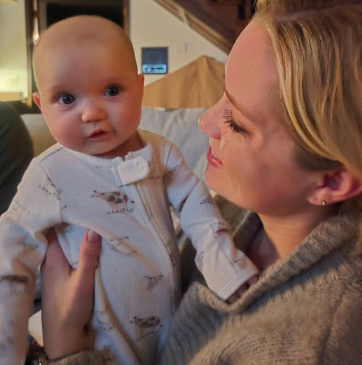
Their comments did not change the circumstances of the case, but they revealed another dimension of the family’s tragedy: the same person remembered by some as a caring medical professional was now at the center of an incident that had taken the life of her own granddaughter.
Still, the people most directly affected are Scottie’s parents, who must somehow navigate a future that looks nothing like the one they imagined.
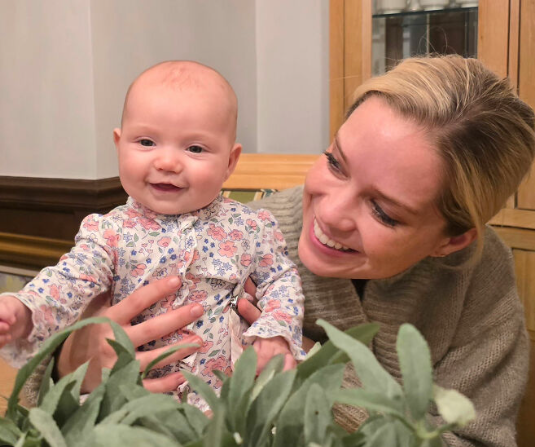
Scottie was born on September 20, 2025, and was only 10 months old when she died. She was not simply a name in a police report or the subject of a grand jury decision. She was a little girl whose family had dreamed of watching her grow, discover the world, celebrate birthdays, and share countless ordinary moments that parents often assume they will have years to experience.
According to the family’s story, Scottie and her three-year-old brother, Cash, were both conceived through in vitro fertilization, a journey their parents undertook because they wanted children so deeply. Their arrival represented hope, perseverance, and the beginning of a family life that Sydni and Micah had longed to experience.
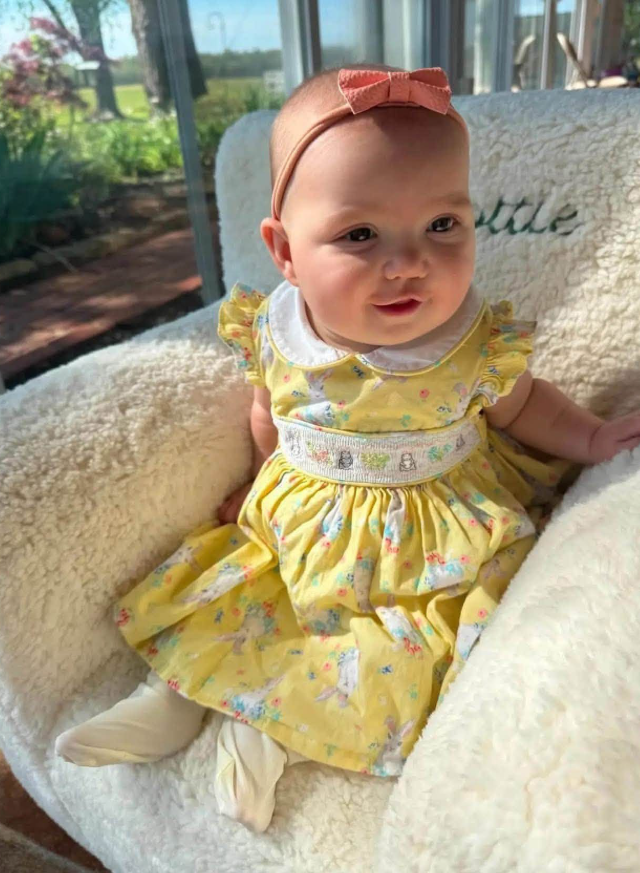
That history makes Scottie’s absence especially painful. After investing so much hope in welcoming their children, her parents must now face the unimaginable task of grieving their daughter while continuing to care for their young son.
Cash is also growing up in the aftermath of a loss he may not yet fully understand. As he gets older, his parents will face the difficult challenge of remembering his sister, answering questions, and finding ways to keep her place in their family alive.
The little girl who should have been growing alongside him will instead be remembered through photographs, stories, and the milestones her family will never get to witness.
There will be birthdays that arrive without her laughter, holidays that feel incomplete, and family moments when her absence becomes impossible to ignore. Grief does not follow a courtroom schedule, and the conclusion of a criminal investigation cannot provide a simple ending to a family’s suffering.
The grand jury’s decision marks a legal turning point, but it does not close the emotional chapter of Scottie’s story. Her parents must continue living with the loss, while her grandmother faces the lasting consequences of an event that has permanently changed their family.
Scottie’s life was brief, but she was deeply wanted and loved. Her story is a painful reminder of how quickly an ordinary day can become a tragedy and why children must never be left unattended in vehicles, even when a caregiver believes they will only be away for a short time. Temperatures inside a parked car can rise dangerously quickly, creating a potentially fatal environment for a young child.
For the Crowell family, however, the most important reminder is much more personal: Scottie was here, she mattered, and she will always be part of their story.
As the community continues to process the grand jury’s decision, one question remains difficult to escape: How does a family begin to heal when the person they are grieving was also the center of so many hopes for the future?
For Sydni and Micah, there may never be a complete answer. There is only the painful work of moving forward, one day at a time, while carrying the memory of the daughter they wanted so desperately and will never stop loving.