MILIBAND AND BURNHAM BREXIT ROW: Fresh Questions Emerge Over Labour’s EU Direction! . HYN

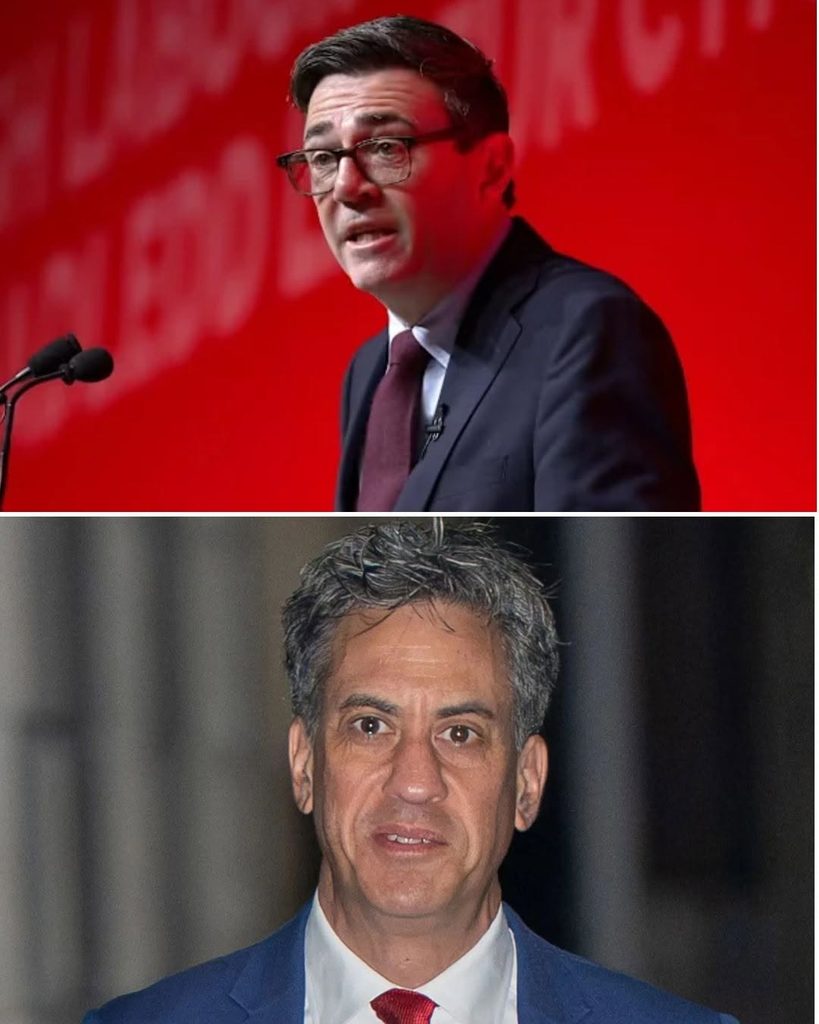
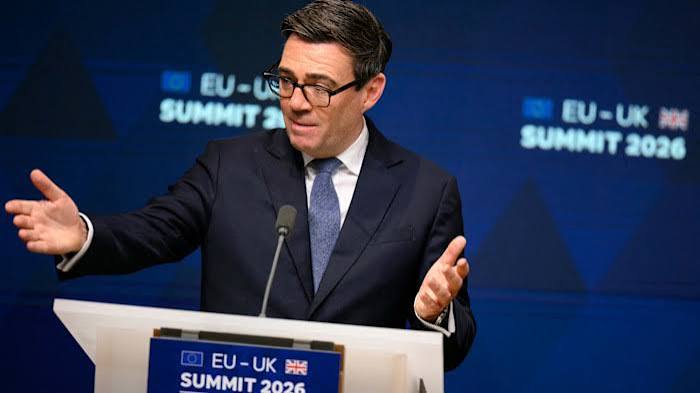
It doesn’t pay to get too close to Ed Miliband. PM Andy Burnham is learning this to his cost.
Foreign Secretary Ed Miliband is a strange combination of wild-eyed idealist and ruthless political operator. He wants a better world and doesn’t care how much damage he inflicts along the way, as David Miliband learned to his cost when he got in the way of his younger brother’s drive for power. The whole Labour Party suffered when Ed subsequently led it to defeat in the 2015 general election. Bacon sandwiches have learned to tread warily around Ed, but former PM Keir Starmer spotted the threat too late. Miliband’s net zero charge was a key reason for his unpopularity. Starmer indulged him, and Miliband helped replace him with Burnham.
Britain continues to pay a high price for his stint as energy secretary, when he went on a spending spree in a mad attempt to make the UK carbon neutral by 2030.
We’re on the hook for tens of billions and facing potential blackouts, although new Chancellor John Healey is doing his best to clean up the mess. At first, I thought Burnham had woken up to the danger. Once PM, Burnham resisted pressure to make Miliband chancellor. He thought he’d safely parked him in the Foreign Office, only to discover too late that Miliband would use it to get us into a world of trouble, especially over Brexit.
Burnham has been playing a double game ever since promising voters in Makerfield at the June by-election that he wouldn’t rerun the divisive Brexit debate. Instead, he hasn’t stopped talking about it, nudging us ever closer to Brussels and potentially landing us with a massive bill. Today, Miliband unwittingly exposed the PM’s strategy.
Mindful of his Makerfield pledge, Burnham pretends he isn’t pushing Britain back into the EU.
He says he won’t move ahead of public opinion, while repeatedly telling the public what it thinks. He keeps calling for an honest discussion, while being dishonest about how he wants it to end. And he says he won’t push to rejoin this Parliament, while admitting it’s his lifetime ambition. Basically, he’s gaslighting us.
This morning on BBC Breakfast, Miliband sounded supportive, saying Burnham was right to lay out the options facing Britain. He said the Brexit deal had failed and the situation had changed. Crucially, he made clear that this week’s agreement, pushed by Burnham, wasn’t the end of the reset. It was only the “first step”.
So much for Burnham’s claim that he’s “drawing a line” under Brexit divisions. That line will be crossed again and again as we are shunted ever closer to the EU.
Miliband repeated Burnham’s line about “rerunning old arguments”, but of course they are.
Repeatedly. And we all know why.
Burnham sends one message to the Left: we’re heading back to the EU. He sends another to voters: don’t worry, we’re only tidying things up. By admitting that this week’s deal is just one step, and there are plenty more to come, Miliband has showed everyone the ultimate direction of travel.
We know what they both want. And we know they don’t want to risk another referendum to get it. Miliband just let the cat out of the bag. They’ll shove us there “step by step”. Lay out the options, then do what they want to do anyway. People need to wake up.
MILIBAND AND BURNHAM BREXIT ROW: Fresh Questions Emerge Over Labour’s EU Direction!
Britain’s political debate over Brexit has entered another important phase as senior Labour figures Ed Miliband and Prime Minister Andy Burnham face growing attention over their positions on the country’s future relationship with the European Union. Their recent comments have reignited discussions about whether Britain should move beyond the existing Brexit arrangements and pursue closer economic and political integration with Europe. The debate has created new challenges for the Labour government, particularly as it attempts to balance the expectations of pro-European supporters with the concerns of voters who supported leaving the EU in 2016.
At the centre of the controversy is the question of how far Britain should go in rebuilding its relationship with Brussels. Andy Burnham has argued that the current arrangements have not delivered the economic benefits promised by Brexit supporters. He believes Britain should examine different options for improving cooperation with European countries and consider what relationship would best serve the country’s long-term interests. His position has attracted support from several senior Labour politicians, including Ed Miliband, who has also argued that closer economic integration could benefit British businesses.
However, the growing discussion has raised questions about whether Labour is preparing to reconsider some of its previous commitments concerning Brexit. The party’s 2024 election manifesto promised that Britain would not rejoin the European Union, the single market or the customs union. It also ruled out a return to freedom of movement. These commitments were intended to reassure voters that Labour would respect the referendum result while attempting to improve relations with European partners.
Ed Miliband has become an important voice in this debate. He has argued that Britain’s current position creates an uncomfortable situation in which British businesses must follow many European regulations when selling into the EU market but have limited influence over the decisions behind those rules. In his view, closer integration could give Britain a stronger voice in discussions affecting its economic interests. He has described the existing arrangement as particularly difficult for businesses that face additional paperwork and administrative requirements.
Miliband has also highlighted the changing international situation. Since the 2016 referendum, the geopolitical environment has changed considerably. Russia’s invasion of Ukraine, growing international security concerns and uncertainty surrounding relations between the United States and Europe have made cooperation between European countries increasingly important. From this perspective, Britain should reconsider how it works with its European neighbours rather than treating the current Brexit arrangements as permanent.
Andy Burnham has expressed similar concerns about the economic consequences of leaving the European Union. He has argued that Brexit has done more harm than good and that Britain needs a serious discussion about its long-term relationship with its largest nearby trading market. His approach does not necessarily mean that the government intends to rejoin the EU immediately. Instead, he has suggested that several possible arrangements should be examined before a final political decision is made.
Nevertheless, these developments have created concerns among some Labour MPs, particularly those representing constituencies that voted strongly for Brexit. They fear that discussing closer European integration could damage the party’s relationship with voters who supported leaving the EU. For these politicians, Brexit remains a sensitive political issue, and reopening the argument could distract attention from other priorities such as employment, housing, healthcare and economic growth.
The disagreement also reflects a wider challenge facing Labour: how to develop a consistent European policy that satisfies different sections of its political support. Some Labour supporters believe Britain should eventually return to the European Union because they consider Brexit economically damaging. Others accept the need for closer cooperation but do not want to reverse the referendum result. Meanwhile, some voters remain strongly committed to national sovereignty and believe that any movement towards European integration would undermine the democratic decision made in 2016.
Trade is one of the most important issues influencing the debate. The European Union remains a major destination for British exports and an important source of imported goods and services. Since Brexit, companies have had to adapt to new customs procedures, documentation requirements and regulatory arrangements. These changes have created additional administrative responsibilities, particularly for smaller businesses that lack the resources available to larger international companies.
Supporters of Burnham and Miliband’s approach argue that improving trade arrangements could reduce these difficulties. Closer cooperation in areas such as food standards, agricultural products, energy and manufacturing could make commercial relationships more efficient. British businesses might also benefit from greater regulatory certainty and improved access to European markets. These potential advantages are particularly important at a time when the government is seeking to encourage investment and improve productivity.
However, Brexit supporters argue that Britain should not sacrifice its independence simply to reduce trade barriers. They believe that leaving the EU provides opportunities to negotiate international agreements independently and develop regulations that reflect domestic priorities. They also warn that closer integration could involve financial contributions and regulatory obligations that limit the government’s freedom to make decisions.
Immigration is another major source of political disagreement. Freedom of movement was one of the most controversial aspects of Britain’s membership of the European Union. Many people who voted Leave wanted the government to regain control over immigration and establish a system based on national economic and social priorities. Consequently, any discussion about returning to closer European integration is likely to raise questions about whether freedom of movement could eventually be restored.
Burnham and Miliband must therefore explain how closer economic cooperation could work without creating confusion about immigration policy. Supporters of European integration argue that international workers contribute to important British industries, including healthcare, construction, agriculture and hospitality. They also believe that cooperation with European countries can improve security and help tackle organised crime. However, critics insist that Britain must retain control over its borders and ensure that immigration arrangements reflect the needs of the country.
The political opposition has already recognised the importance of this debate. Nigel Farage and Reform UK have repeatedly criticised proposals that could bring Britain closer to the European Union. They argue that Brexit represented a democratic decision that politicians should respect. From their perspective, reopening the question of European integration could create another major political confrontation between supporters and opponents of Brexit.
The Conservative Party has also expressed concerns about Labour’s changing approach. Conservative politicians argue that closer alignment with European regulations could weaken Britain’s ability to establish independent policies. They believe the government should concentrate on making Brexit work rather than reopening negotiations about Britain’s constitutional and economic relationship with Europe.
Nevertheless, supporters of Burnham’s position argue that democracy does not prevent future governments from reviewing previous decisions. Economic circumstances change, international relationships develop and new challenges emerge. They believe politicians have a responsibility to examine whether existing policies remain effective and to present alternative options when necessary. Any major change, however, would require transparency and appropriate democratic approval.
Another important question concerns the future of younger generations. Many young British people want opportunities to study, work and travel across Europe. Closer cooperation could potentially create new educational exchanges, professional opportunities and cultural partnerships. Improved relations could also help British universities, research institutions and technology companies strengthen their international connections.
The government must therefore consider both the immediate political consequences and the long-term interests of the country. A successful European strategy should support economic growth, protect national interests and provide opportunities for future generations. It should also recognise that Britain cannot completely separate its economic future from developments taking place across Europe.
The media has described the growing debate as a possible Brexit confrontation between senior Labour figures and other political leaders. However, it is important to distinguish between genuine disagreements and politicians expressing similar views about different aspects of European cooperation. Miliband and Burnham have both supported examining closer relations with the EU, although the precise arrangements and long-term ambitions remain subjects of political discussion.
Ultimately, Labour faces a difficult decision about how to communicate its European policy. Moving too cautiously could disappoint supporters who want a more ambitious relationship with Europe. Moving too quickly could create political difficulties among voters who remain committed to Brexit. The government will need to explain its objectives clearly and demonstrate how any proposed changes would improve people’s everyday lives.
In conclusion, the growing discussion involving Ed Miliband and Andy Burnham has brought Britain’s relationship with the European Union back into the centre of national politics. Their support for closer cooperation reflects concerns about trade barriers, economic growth and Britain’s changing international position. However, their approach also raises difficult questions about national sovereignty, immigration and the democratic mandate of the 2016 referendum. Whether Labour eventually pursues a deeper relationship with Europe or maintains its existing commitments will have significant consequences for the country’s political direction. What matters most is that any future decision is based on reliable evidence, honest political debate and respect for the views of British citizens. Britain must find a way to protect its national interests while developing constructive relationships with its European neighbours, ensuring that the lessons of Brexit are taken seriously when shaping the country’s future.