MILITARY PROPOSAL: The Government is being urged to place unemployed Brits on a “military gap year” to prepare for potential war . hyn

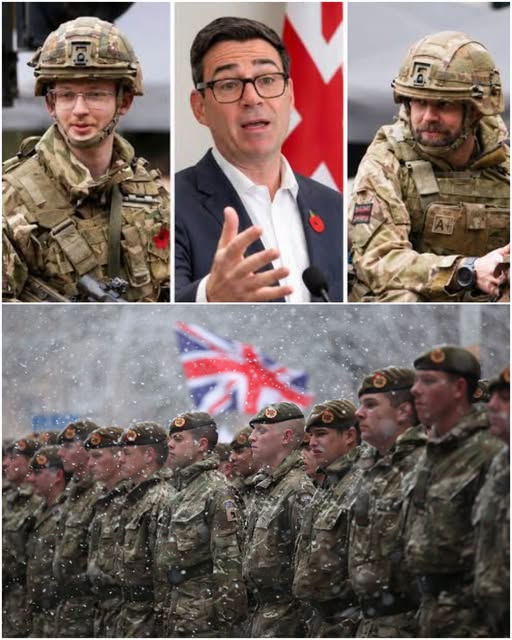
f you’re young, unemployed and wondering what to do next, a group of peers has a suggestion.
How about spending a gap year in the Armed Forces to help your country prepare for war?
That’s one of the recommendations in a new report from the House of Lords National Resilience Committee, which warns that Britain is dangerously underprepared for major emergencies.
The committee says young people who are not in education, employment or training, commonly known as NEETs, should be encouraged to consider military service.
With around one million young people in that category across the UK, peers believe some could help strengthen the Army Reserve and provide extra personnel if Britain became involved in a major conflict.
The UK has already introduced a military gap year programme for school leavers, but the committee wants opportunities extended to unemployed young people.
And the recommendations don’t stop there.
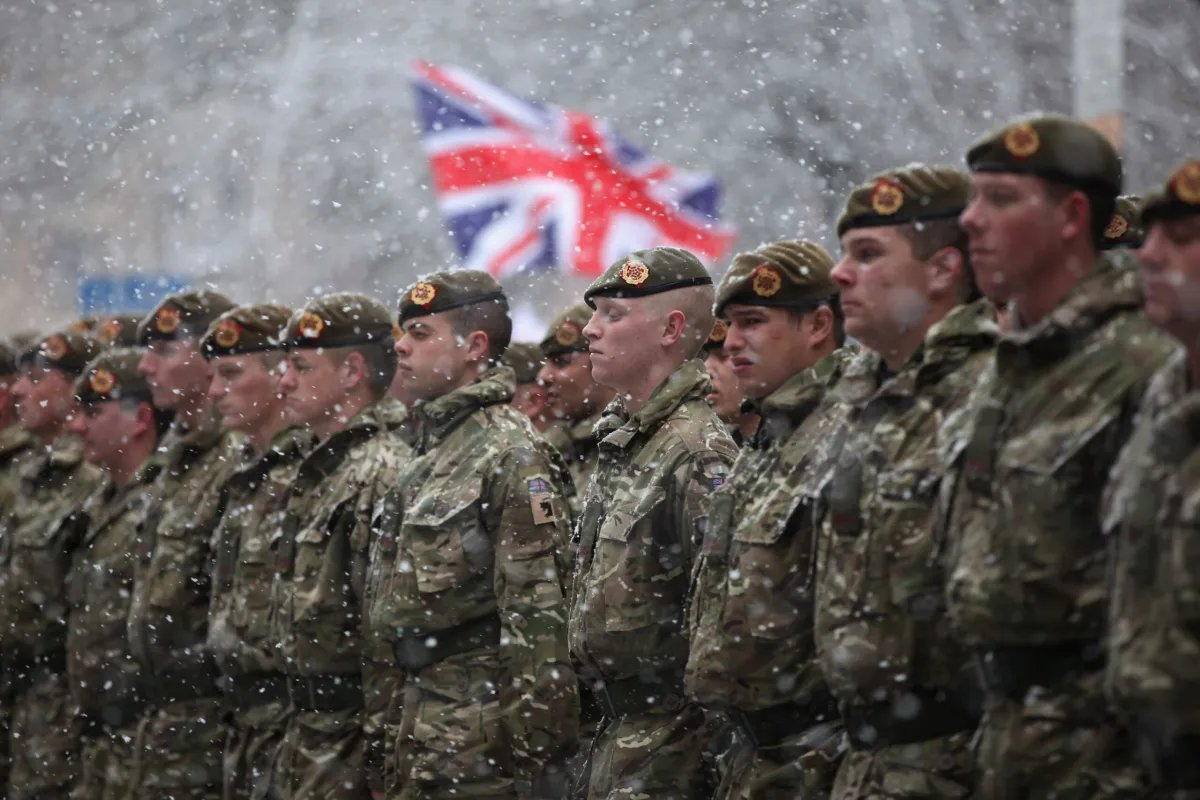
Schoolchildren could be taught how to prepare for war
According to the report, “Are we ready?
Building a culture of resilience“, schools should do more to prepare children for emergencies.
That includes teaching practical skills such as first aid, CPR, survival techniques and household emergency planning.
Pupils could also learn what supplies families should keep at home in case of prolonged power cuts, flooding or other disasters.
The recommendations follow a nine-month inquiry into Britain’s ability to respond to serious national emergencies.
And the committee’s findings make for uncomfortable reading.
Peers warned that the UK is too complacent about threats ranging from cyberattacks to military conflict, particularly amid growing tensions with countries including Russia, China and Iran.
They also raised concerns about the country’s reliance on overseas supply chains for essential medicines and other goods.
What happens if Britain faces a major emergency?
One of the committee’s biggest concerns is how quickly a single incident could trigger a much wider crisis.
Committee chair Baroness Coussins warned: “A cyber-attack can quickly morph into a power cut, then a shutdown of transport, then empty food shelves in the shops.”
She also pointed out that around 95% of food sold in the UK passes through just nine retailers, highlighting how concentrated the country’s food supply system has become.
The report argues that ministers need to be more open with the public about the threats Britain faces.
It states: “The Government should stop being squeamish about telling it straight to the public about the kind of threats we face.”
The committee is calling for urgent action from Prime Minister Andy Burnham’s government to improve the country’s readiness.
And if all this talk of war and national emergencies has you wondering how safe your area really is, a new interactive doomsday map lets you check how your postcode might fare in a major catastrophe.
Should Unemployed Young British People Be Encouraged to Join a “Military Gap Year”?
The proposal to place unemployed British people on a “military gap year” to prepare for a potential war has sparked considerable debate about national security, unemployment, individual freedom and the responsibilities of the government. Supporters argue that the scheme could strengthen the country’s military readiness while providing young people with valuable skills and employment opportunities. However, critics question whether encouraging unemployed citizens to participate in military training is the right response to the challenges facing modern Britain. Although national defence is an important responsibility, such a proposal must be carefully considered to ensure that it benefits both society and the individuals involved.
The idea of a military gap year is based on the belief that Britain should be better prepared for possible military conflicts in an increasingly uncertain international environment. Tensions between major powers, regional conflicts and growing security threats have raised concerns about the country’s ability to defend itself. In this context, the government may consider developing a voluntary programme in which unemployed young people receive military-style training for a fixed period. Participants could learn basic military skills, physical fitness, teamwork, leadership, emergency response and discipline. These abilities could potentially make the country more resilient in times of crisis.
One of the strongest arguments in favour of this proposal is that it could help address youth unemployment. Finding stable employment has become increasingly difficult for many young people in Britain, particularly those without university qualifications or previous work experience. Some individuals remain unemployed for extended periods because they lack professional skills, confidence or access to suitable opportunities. A military gap year could offer them structured training, practical experience and a sense of direction. Instead of spending months searching unsuccessfully for work, participants could take part in meaningful activities while developing abilities that may improve their future employment prospects.
Furthermore, military-style training could help young people develop important personal qualities. Discipline, responsibility, punctuality, cooperation and determination are valuable characteristics in almost every professional environment. Participants would be encouraged to work as part of a team, overcome physical and mental challenges, follow instructions and take responsibility for their actions. Such experiences could improve their confidence and help them become more independent. For young people who feel disconnected from society or uncertain about their future, the programme might provide a renewed sense of purpose and belonging.
Another potential advantage is that the programme could strengthen Britain’s emergency preparedness. National security does not depend exclusively on soldiers fighting on the battlefield. Modern conflicts can affect communication networks, electricity supplies, transportation systems, hospitals and other essential services. Therefore, a well-trained population could play an important role in supporting communities during national emergencies. Military gap-year participants might receive training in first aid, disaster management, evacuation procedures, logistics and crisis communication. These skills could prove useful not only during wartime but also in natural disasters, major accidents and other emergencies.
In addition, the proposal could encourage a stronger sense of national unity. In contemporary society, many young people experience social isolation, economic insecurity and a lack of opportunities to contribute to their communities. A structured national programme could bring together individuals from different backgrounds, regions and social classes. By working towards common objectives, participants might develop mutual respect, cooperation and a greater understanding of their responsibilities as citizens. National service, when organised fairly and voluntarily, could therefore help strengthen social connections and civic engagement.
Nevertheless, despite these potential benefits, there are significant disadvantages that must not be overlooked. The most important concern is whether it is appropriate to use military training as a solution to unemployment. Unemployment is a complex economic and social issue caused by various factors, including limited job opportunities, inadequate education, regional inequality and changes in the labour market. Military training alone cannot solve these underlying problems. If the government focuses too heavily on military programmes, it may neglect other essential investments in education, vocational training, apprenticeships and job creation.
Another serious issue concerns individual freedom. Being unemployed does not mean that someone should automatically be expected to participate in military activities. People may have different personal circumstances, family responsibilities, physical limitations or career ambitions. Some may wish to pursue further education, start a business or receive professional training in another field. Others may have strong moral or religious objections to military involvement. Therefore, any military gap-year scheme should remain entirely voluntary. Forcing unemployed citizens to participate would be unfair and could create resentment towards the government.
There are also concerns about the psychological and physical demands of military training. Although discipline and physical exercise can be beneficial, military environments can be stressful and challenging. Participants may experience intense pressure, demanding schedules and difficult physical activities. Individuals with disabilities, existing health conditions or mental health difficulties may find certain aspects of the programme unsuitable. The government would therefore need to establish appropriate medical assessments, safeguarding procedures and access to professional support. Participation should never become a condition for receiving unemployment benefits or other essential social assistance.
Furthermore, the financial implications of the proposal require serious consideration. Recruiting, training, housing, feeding and supervising thousands of participants would require substantial public funding. The government would need to invest in qualified instructors, suitable facilities, equipment, insurance and healthcare services. At a time when public finances are already under pressure, it is important to question whether this money could be spent more effectively elsewhere. For example, investing in vocational education, apprenticeships, engineering programmes and technological innovation might provide more sustainable solutions to unemployment while strengthening the country’s long-term economic and security position.
It is also important to distinguish between military preparedness and actual military recruitment. A military gap year should not become an indirect method of pressuring unemployed people into joining the armed forces. The military requires highly trained professionals who are motivated, properly qualified and genuinely committed to serving their country. Participants who complete a short training programme would not necessarily possess the experience required for active military duties. Treating them as an immediate reserve force could create unrealistic expectations and potentially undermine military effectiveness. Any programme should therefore have clearly defined objectives and should not be presented as a substitute for professional military training.
A more balanced approach would be to establish a voluntary national resilience programme that combines military and civilian training. Participants could choose from different pathways according to their interests, abilities and career goals. These pathways might include emergency medical assistance, cybersecurity awareness, engineering, logistics, disaster response, environmental protection and community support. Those interested in military careers could receive additional introductory training and information about opportunities in the armed forces. Meanwhile, others could gain transferable qualifications that are recognised by civilian employers.
To make the programme genuinely beneficial, the government should also cooperate with universities, colleges, local councils and private businesses. Participants should receive recognised certificates, practical work experience and professional guidance. Financial support should be provided to ensure that people from disadvantaged backgrounds can participate without experiencing additional economic hardship. Employers could be encouraged to recognise the skills acquired through the programme when considering applicants for future positions. In this way, the scheme would become a bridge between unemployment and meaningful employment rather than simply a temporary activity.
Moreover, the government must communicate clearly that preparing for potential conflict does not mean that war is inevitable. National security policies should be based on realistic assessments rather than fear or political pressure. Diplomacy, international cooperation, intelligence, technological development and strong defence capabilities remain essential elements of national security. Investing in the younger generation should also involve creating opportunities for peace, prosperity and social development. A country is not truly strong simply because its population is physically prepared for conflict; it is also strong when its citizens are educated, economically secure and socially united.
In conclusion, the proposal to introduce a military gap year for unemployed British people offers both opportunities and challenges. It could help young people develop discipline, practical skills, confidence and a stronger sense of civic responsibility while contributing to national resilience. However, it cannot be considered a complete solution to unemployment or a replacement for professional military recruitment. Concerns about personal freedom, financial costs, physical safety and psychological well-being must be addressed before such a programme is introduced. In my opinion, Britain should consider developing a voluntary national service scheme that offers both military and civilian training, together with recognised qualifications and genuine employment opportunities. Ultimately, the purpose of such an initiative should not simply be to prepare young people for a possible war, but to equip them with the knowledge, skills and confidence to build a safer, stronger and more prosperous society.