
Nebraska Woman Erika Mims Convicted of Murdering Two Men in a Shocking Case Prosecutors Say Was Driven by Money.9262

Nebraska Woman Erika Mims Convicted of Murdering Two Men After Allegedly Luring Them Into Her Home for Money
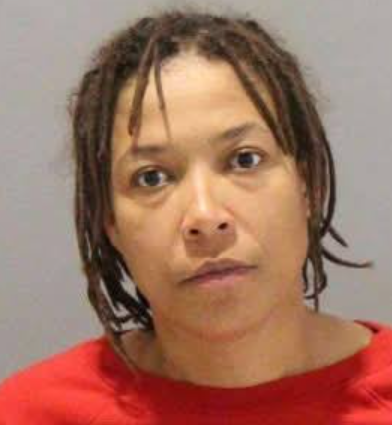
A 44-year-old Nebraska woman, Erika Mims, has been convicted of murdering two men in separate killings that prosecutors say were motivated by money. A jury found her guilty of two counts of first-degree murder in the deaths of LaRon Hodges, 39, and Lamar Nedd, 46, bringing a major development in a case marked by disturbing allegations and months of unanswered questions.
Investigators say both men died in 2023, and prosecutors alleged that Mims lured them into a residence before shooting them repeatedly and attempting to conceal what happened. The jury also convicted her of two counts of tampering with physical evidence and four felony weapons charges.
Two men lost their lives, two families were left grieving, and a jury has now found one woman guilty of their murders.
A Case That Began With a Missing Man
The investigation began in February 2023, when LaRon Hodges, 39, was reported missing. At first, his disappearance left loved ones facing the frightening uncertainty of not knowing where he was or what might have happened to him.
As investigators searched for answers, Hodges’ vehicle was discovered at an apartment complex. The discovery became an important part of the investigation, but it would take additional time before authorities made a more disturbing finding.
In March 2023, Hodges’ body was found inside the vehicle at an impound lot. Authorities said he had been shot 21 times and placed inside a trash can, details that revealed the severity of the violence involved in his death.
For those who knew Hodges, the discovery meant that the hope of finding him alive had been replaced by the devastating reality of his loss. A missing-person investigation had become a homicide case, leaving investigators to piece together what happened and who might have been responsible.
Behind the police investigation was a family forced to confront the loss of a 39-year-old man whose life ended in horrifying circumstances.
The discovery also raised questions about how Hodges had spent his final hours, who had last seen him, and what events led to his death. Investigators worked to establish a timeline and gather evidence that could explain what happened.
As the case developed, authorities began examining allegations that the killing was connected to financial motives. Prosecutors would later argue that Hodges had been targeted as part of a deliberate pattern of violence.

A Second Victim Deepened the Investigation
Months after Hodges’ death, another disturbing discovery brought a second victim into the case. In August 2023, Lamar Nedd, 46, was found dead near a roadway, and his body was badly decomposed.
The condition of Nedd’s remains added another layer of difficulty to the investigation. Authorities had to establish what had happened to him and determine whether his death was connected to other crimes.
Prosecutors ultimately alleged that Mims was responsible for the killings of both Hodges and Nedd. According to their account, she lured the men into a residence, shot them repeatedly, and then attempted to conceal the evidence and dispose of their remains.
The similarities alleged by prosecutors became central to the case against Mims. Investigators examined the circumstances surrounding both deaths as they worked to establish the evidence supporting the charges.
Two separate deaths, discovered months apart, became part of one criminal case that would ultimately lead to two first-degree murder convictions.
For the families of Hodges and Nedd, the case meant enduring not only the loss of their loved ones but also the difficult process of learning about the circumstances surrounding their deaths. The allegations described in court painted a grim picture of violence and alleged efforts to hide what had happened.
Although the men died at different times, their names became linked through the prosecution, which argued that both killings were driven by the same underlying motive.

Prosecutors Allege Money Was the Motive
According to prosecutors, money played a central role in the killings. They alleged that Mims lured both men into a residence before shooting them and taking steps to conceal their deaths.
The prosecution’s account included claims that the victims’ bodies were cleaned and that their remains were disposed of in an attempt to hide evidence. These allegations formed part of the case presented to the jury.
Cases involving alleged financial motives can require investigators to examine more than the physical evidence surrounding a death. They may also need to establish relationships, communications, transactions, and the events leading up to the killings.
In this case, prosecutors sought to demonstrate that the deaths of Hodges and Nedd were deliberate acts rather than unrelated incidents. The jury ultimately found Mims guilty of first-degree murder in both cases.
The convictions represent a significant legal outcome for the families of two men whose deaths had left painful questions about what happened to them.
The verdict also included two counts of tampering with physical evidence and four felony weapons charges. Those additional convictions reflect the separate criminal offenses the jury found proven in connection with the case.
Mims now faces sentencing, where the court will determine the punishment for her convictions. She is scheduled to be sentenced on December 17.
Until sentencing, the verdict marks a major turning point in a case that began with one man’s disappearance and expanded into an investigation involving two victims.

Others Were Also Charged in the Case
The investigation extended beyond Mims. Two other individuals, Erykha Wilson and Kenneth Smith, were charged as accessories in connection with Hodges’ killing.
Their charges represent a separate part of the legal proceedings surrounding the case. The available information does not establish the final outcome of those charges, so their legal status should not be confused with Mims’ convictions.
Investigators examining a homicide may look at the actions of multiple people, including whether anyone helped before or after a crime or attempted to conceal evidence. However, allegations against individuals must be assessed through the legal process, and a charge alone does not establish guilt.
As the main case moves toward sentencing, questions about the roles of other people connected to the investigation remain separate from the jury’s verdict against Mims.
The case also includes another serious allegation involving Mims. She faces a separate assault charge stemming from a March 2023 shooting in which another man survived.
That charge concerns a different incident and must be handled through its own legal proceedings. The available information does not establish the final outcome of that case.
Nevertheless, the separate charge adds to the broader legal circumstances surrounding Mims as the court prepares for the next stage of the murder case.

A Jury Delivers Its Verdict
After hearing the evidence presented during the trial, a Douglas County jury found Mims guilty of two counts of first-degree murder. The verdict established her criminal responsibility for the deaths of Hodges and Nedd under the charges presented to the jury.
For the victims’ loved ones, the decision may provide an important measure of accountability after months of investigation and uncertainty. A conviction cannot reverse what happened, but it does represent a formal determination of guilt through the court system.
The additional convictions for evidence tampering and weapons offenses further reflect the jury’s findings. The upcoming sentencing will determine the consequences Mims faces for the crimes of which she has been convicted.
The legal process can be lengthy, particularly in cases involving multiple victims, extensive evidence, and separate charges. For families, however, the passage of time does not make grief disappear.
They must continue living with the absence of people who once occupied a place in their everyday lives. Important occasions may bring renewed pain, and unanswered personal questions may remain even after a verdict has been reached.
Justice can establish responsibility, but it cannot give LaRon Hodges or Lamar Nedd another chance at life.
Their families are left to remember the people they knew before the headlines and court proceedings defined the circumstances of their deaths. Each man had a life beyond the criminal case, with relationships and experiences that cannot be captured by a list of charges.
As the sentencing date approaches, attention will turn to the punishment imposed by the court and any further developments in the related proceedings.
Two Lives Lost, Two Families Changed Forever
The deaths of Hodges and Nedd illustrate the devastating consequences of violent crime and the lasting impact it has on the people left behind. What began with a missing-person report eventually became a double-murder case that resulted in multiple felony convictions.
For investigators, the case required piecing together events across several months. For prosecutors, it involved presenting evidence to establish Mims’ responsibility for two separate killings. For the victims’ families, it meant confronting a loss that no verdict can fully repair.
Mims is scheduled to be sentenced on December 17, when the court will determine the consequences of her convictions. The separate assault charge and the accessory charges involving Wilson and Smith remain distinct legal matters whose outcomes should not be assumed.
The jury’s decision marks an important moment in the case, but the people at its center deserve to be remembered as more than victims in a criminal investigation.
LaRon Hodges was 39. Lamar Nedd was 46. Both had lives that mattered, and both were taken from the people who knew and loved them.
Two men are gone, two families have endured unimaginable heartbreak, and a jury has delivered its verdict in a case that began with a disappearance and ended in two murder convictions.
As the case moves toward sentencing, their loved ones are left to carry their memories forward while hoping that accountability will bring some measure of closure.