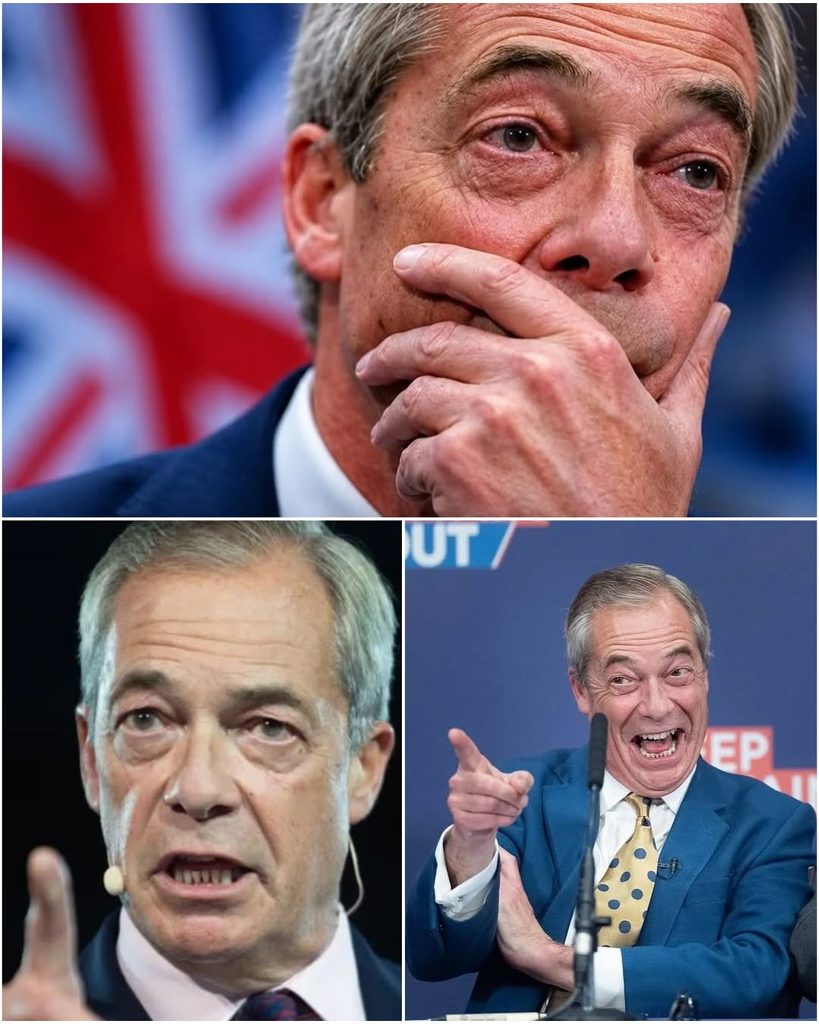
A new campaign demanding Britain not be dragged back into the European Union has launched after Andy Burnham agreed a deal to cozy up to Brussels. Named ‘Keep Britain Out’, the group is headed by businessman and Brexiteer Arron Banks and attracted the support of Reform UK Leader Nigel Farage.
What are the ten pledges of Keep Britain Out?
What deal did Andy Burnham agree with Brussels?
Why was the Keep Britain Out campaign launched?
Black Friday
What is the best Express Premium deal I can possibly get?
Ask This Article
DeeperDive AI
It exploded onto the political scene days after the launch of ‘StayOut’, a group estabished by former Vote Leave campaigners. Speaking ahead of the launch Mr Banks said: “In 2016, 17.4 million people voted for control of our borders, our laws, our money and our future. That decision has been betrayed by successive governments who never truly believed in it.”
He added: “Worse still, dragging Britain back into a failing EU risks the futures of young people who will rely on emerging technology and associated industries that the EU is regulating out of existence on the continent.
Keep Britain Out – The 10 pledges
- Out – Oppose rejoining the European Union, its single market or customs union. Reverse any steps that draw Britain back in, including Andy Burnham’s 2026 deals.
- Safe – Reverse mass migration, secure Britain’s borders and enforce stricter immigration laws. Give police and armed forces the resources they need. Oppose the Dublin asylum system and EU asylum quotas.
- Working – Make work pay and cut red tape so British small businesses can grow.
- Sovereign – Keep British law in British hands. Oppose deals that bind us to future EU laws or put our laws under EU courts.
- Drilling – Back new North Sea oil and gas licences and the British jobs they support.
- Farming – Stand up for British farmers and reject trade deals that undercut the standards we ask them to meet.
- Fishing – Keep control of British waters and put British fishing fleets first.
- Building – Speed up planning decisions so Britain can build the infrastructure it needs. Keep Britain free to set its own rules and compete in AI, space and other emerging industries.
- Trading – Keep Britain free to strike its own trade deals and set its own tariffs.
- British – Defend the Union, our liberties and the right of the British people to decide how we are governed.
Nigel Farage Backs Arron Banks’s “Keep Britain Out” Campaign: Has Your MP Signed?
The debate over Britain’s relationship with the European Union has returned to the centre of British politics following the launch of a new campaign called “Keep Britain Out”, led by businessman Arron Banks and supported by Reform UK leader Nigel Farage. The campaign aims to prevent the United Kingdom from rejoining the European Union, its single market or its customs union. Its launch has reopened old political divisions surrounding Brexit and raised important questions about Britain’s sovereignty, immigration policies, economic future and relationship with European countries.
Nigel Farage, one of the most prominent figures in the 2016 Brexit campaign, has publicly backed the initiative and become the first Member of Parliament to sign its ten-point political pledge. Arron Banks, who previously played a major role in the Leave.EU campaign, is leading the new movement. Their cooperation represents another attempt to mobilise supporters of Brexit and encourage politicians to oppose any future moves towards closer European integration.
The campaign comes at a time when Britain’s relationship with the European Union is once again attracting considerable attention. Andy Burnham has discussed different possibilities for improving cooperation with Brussels, including arrangements involving trade, the single market and other forms of economic partnership. These discussions have created disagreements among politicians who hold different views about the benefits and disadvantages of closer relations with Europe.
Supporters of Keep Britain Out argue that the result of the 2016 referendum must be respected. They point out that approximately 17.4 million people voted to leave the European Union, expressing their desire for greater national independence and control over important political decisions. In their view, reversing Brexit would undermine the democratic decision made by British voters. They also believe that the country should retain the freedom to establish its own laws, immigration policies, trade agreements and economic regulations.
One of the campaign’s main arguments concerns national sovereignty. Its supporters believe that Britain should have complete authority over its political and legal institutions without being required to follow rules established by European organisations. They argue that independent decision-making would allow the government to respond more quickly to domestic challenges and develop policies suited to Britain’s particular economic circumstances.
Immigration is another major issue addressed by the campaign. Keep Britain Out supports stricter immigration controls and greater national authority over border management. Its supporters argue that Britain should determine who can enter the country and establish immigration rules according to its economic and social priorities. They also raise concerns about the pressure that immigration can place on housing, healthcare, public services and local communities.
However, immigration is a complicated issue that cannot be understood through political slogans alone. Migrants also contribute to the British economy, particularly in healthcare, agriculture, construction and hospitality. International cooperation may also be necessary to tackle organised criminal networks and irregular migration. Therefore, any discussion about immigration should consider both national concerns and the economic and humanitarian responsibilities of the country.
The campaign also focuses on Britain’s future economic development. Arron Banks has expressed concerns that closer European integration could restrict Britain’s ability to develop emerging industries, particularly artificial intelligence, advanced technology and agricultural innovation. Supporters argue that an independent regulatory framework could allow British businesses to experiment, innovate and compete more effectively in international markets.
Nevertheless, critics of this position believe that cooperation with European countries could provide substantial economic advantages. The European Union remains an important trading partner for Britain, and closer regulatory cooperation could reduce administrative barriers for businesses. Access to European markets, research partnerships and shared technological standards may also create opportunities for British companies. Consequently, the economic consequences of different Brexit arrangements should be evaluated through evidence rather than political assumptions.
The ten-point pledge introduced by Keep Britain Out covers several areas of national policy. In addition to opposing Britain’s return to the European Union, single market and customs union, it addresses immigration, national sovereignty, employment, energy production, farming, fishing, planning regulations, international trade and the future of the United Kingdom. The campaign wants MPs and parliamentary candidates to publicly demonstrate their support for these commitments.
Nigel Farage has indicated that he expects other Reform UK MPs to sign the pledge. However, the campaign also hopes to attract support from politicians belonging to other political parties. This could become a significant test of how strongly different MPs feel about Britain’s future relationship with Europe. The Daily Express has introduced a tracker to monitor which politicians have signed the commitments.
An important question is whether MPs should be expected to sign political pledges organised by campaign groups. On one hand, signing such documents can demonstrate transparency and allow voters to understand their representatives’ positions. Citizens have the right to know whether their MPs support closer European integration or prefer Britain to maintain its existing position outside the EU.
On the other hand, MPs are elected to represent their constituencies and consider a wide range of national interests. They may support some of the campaign’s objectives while disagreeing with others. For example, an MP might support independent trade policies but favour closer cooperation with European countries on scientific research, environmental protection or security. Therefore, political positions should not necessarily be reduced to a simple decision between two opposing sides.
The launch of Keep Britain Out has also highlighted divisions within the wider political landscape. Other pro-Brexit campaigners have established competing organisations, including Stay Out, which has received support from former Conservative politician Michael Gove. Meanwhile, supporters of closer European relations are developing their own political initiatives. This demonstrates that Brexit remains an important issue despite the passage of several years since the referendum.
Another important consideration is the financial impact of Britain’s relationship with Europe. Leaving the European Union created opportunities for the country to develop independent trade policies, but it also introduced new administrative arrangements for businesses trading with European partners. Any future decision about closer integration would involve complicated negotiations concerning regulations, market access, financial contributions and political responsibilities.
Britain must therefore carefully consider the long-term consequences of its choices. Remaining outside the EU does not automatically guarantee economic success, just as closer cooperation does not automatically solve every economic problem. Productivity, investment, education, infrastructure and technological development will remain essential factors in determining the country’s future prosperity.
Ultimately, the question of whether Britain should maintain its current relationship with Europe or pursue closer integration is one that deserves serious public discussion. Politicians should explain their positions clearly, provide reliable economic evidence and recognise the concerns of voters with different perspectives. The 2016 referendum remains an important part of British political history, but future decisions should also consider changing international circumstances and the interests of younger generations.
In conclusion, Nigel Farage’s support for Arron Banks’s Keep Britain Out campaign has reopened the debate about Brexit and Britain’s future direction. The ten-point pledge provides a clear statement of the campaign’s objectives, while the growing interest in parliamentary signatures highlights the importance of political accountability. Whether MPs support or oppose the initiative, they should explain their reasoning to their constituents. Ultimately, Britain’s future relationship with Europe should be determined through informed democratic discussion, careful economic analysis and respect for the views of the British people.