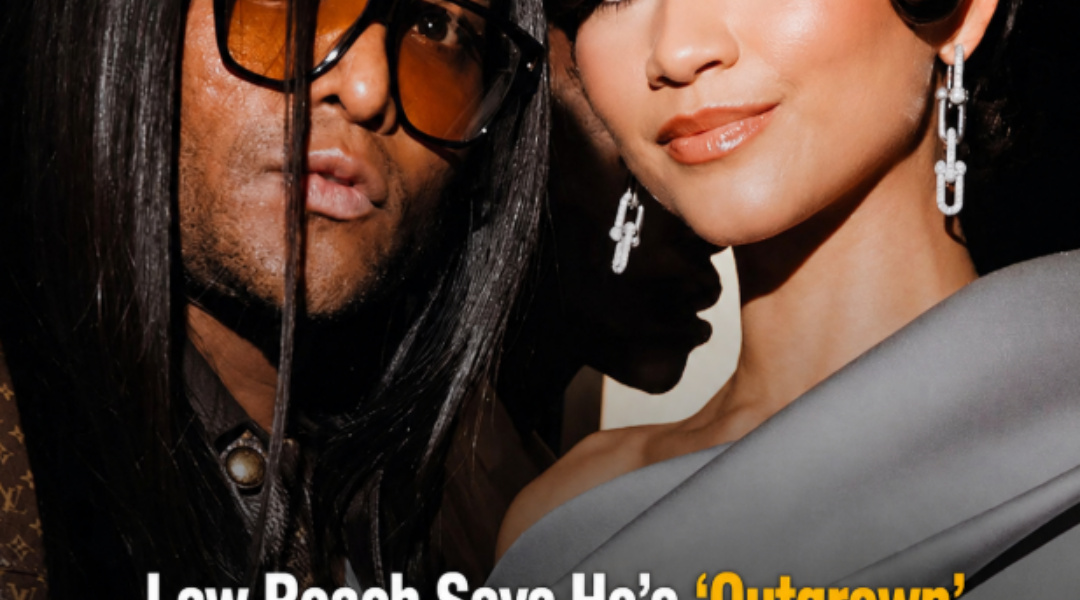
Law Roach Says He’s ‘Outgrown’ Pettiness — But the Designers Who Rejected Zendaya Still Haven’t Earned Their Way Back.990

For years, Zendaya has been regarded as one of Hollywood’s most influential fashion figures, turning movie premieres, award ceremonies and Met Gala appearances into events that extend far beyond the red carpet itself. Behind many of those memorable looks is celebrity stylist Law Roach, whose partnership with Zendaya began long before she reached her current level of global fame. But according to Roach, there is one part of their early journey he still hasn’t completely forgotten: the major fashion houses that reportedly refused to dress Zendaya when she was a young actress trying to establish herself.
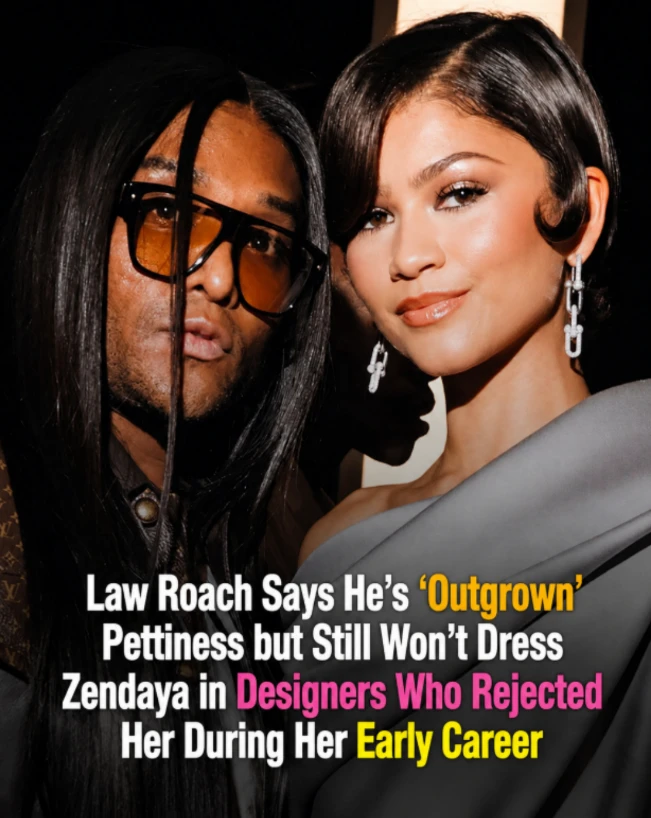
During an Aug. 16 appearance on Ziwe Fumudoh’s You’d Be an Iconic Guest podcast, Roach spoke openly about his reputation for holding grudges against designers who rejected Zendaya early in her career. The 48-year-old stylist acknowledged that his attitude has changed with time. He may no longer want to carry the same level of resentment personally, but when it comes to choosing clothes for Zendaya, forgiveness apparently has its limits.
Ziwe confronted Roach with a claim that has followed him for years: that he effectively maintained an unofficial red-carpet boycott of Saint Laurent, Dior, Valentino, Chanel and Gucci because those fashion houses had declined opportunities to dress Zendaya when she was still building her career.
Roach did not deny his history of “pettiness.” Instead, he explained that he has reached a different place personally.
“I think that holding grudges makes you ugly,” he said, explaining that as part of his “quest to become more beautiful,” he had released some of the grudges he once carried. To make the point even clearer, Roach revealed that he was actually wearing Saint Laurent during the interview.
It sounded like the fashion feud might finally be over.
Then Ziwe asked the question that changed everything: Would Zendaya now wear those brands on the red carpet?
Roach’s answer was immediate and unmistakable: “No.”
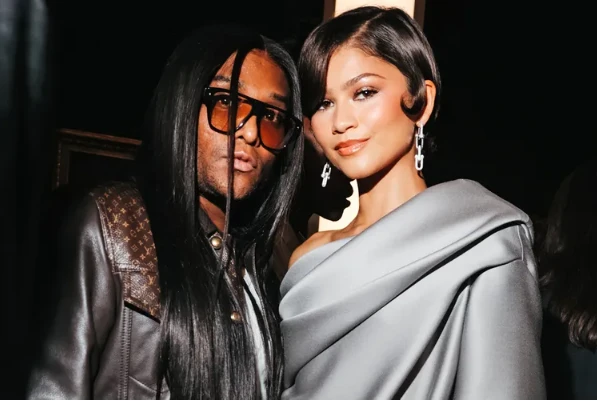
That single response revealed the distinction Roach appears to make between forgiving something personally and forgetting what happened professionally. He may be willing to wear the labels himself, but Zendaya’s red-carpet wardrobe remains another matter entirely.
The roots of that position go back to the beginning of their partnership, when Zendaya was a teenage performer rather than the award-winning actress and international fashion icon she would eventually become. Roach has previously explained that he repeatedly approached some of the world’s biggest fashion houses asking them to dress her, only to encounter rejection.
During a May 2024 appearance on The Cutting Room Floor podcast, Roach recalled the responses he says he received from those companies. According to him, the message was essentially the same: come back later. Zendaya was considered too new, too inexperienced or simply not important enough to fit into their plans at the time.
“Try again next year. She’s too green. She’s not on our calendar,” Roach recalled being told.
For a young actress attempting to establish herself in Hollywood, access to major designers can carry enormous significance. Red-carpet fashion is not simply about clothing; it can shape public perception, generate press coverage and help transform emerging performers into recognizable cultural figures. Roach therefore had to find another path.
Instead of waiting for the biggest houses to change their minds, he and Zendaya worked with designers who were willing to take a chance on her. Over time, their red-carpet experimentation became part of Zendaya’s identity. Rather than merely appearing at premieres in beautiful dresses, she increasingly arrived with looks designed to tell a story.
And as Zendaya’s career grew, the balance of power changed.
The teenager whom some fashion houses allegedly considered too “green” became an Emmy-winning actress, the star of enormous film franchises and one of the most photographed women on virtually every red carpet she attended. Designers who once might have questioned whether dressing Zendaya was worthwhile now stood to receive worldwide exposure whenever she wore one of their creations.
Roach apparently never forgot that reversal.
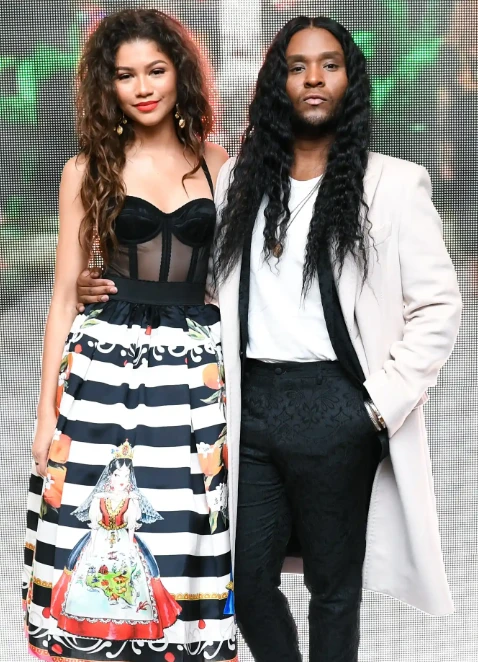
He has even said that he kept the “receipts” documenting those early interactions. His position was not that Zendaya could never physically wear clothing produced by the five fashion houses. She has appeared in their designs for editorial work and other contexts. The distinction, according to Roach, concerns the red carpet—the space where their collaboration has developed some of its greatest influence.
Valentino represents an especially interesting example. Roach previously said that the first time Zendaya publicly wore Valentino came after she had a formal contract with the fashion house. In other words, according to his account, access to Zendaya’s enormous red-carpet influence came only when there was an established professional relationship.
That history helps explain why his recent “no” carries more meaning than a simple grudge.
For Roach, fashion appears to be inseparable from loyalty. His relationship with Zendaya was built when neither of them possessed the influence they have today. They took risks together, experimented together and gradually developed a visual language that has become instantly recognizable.
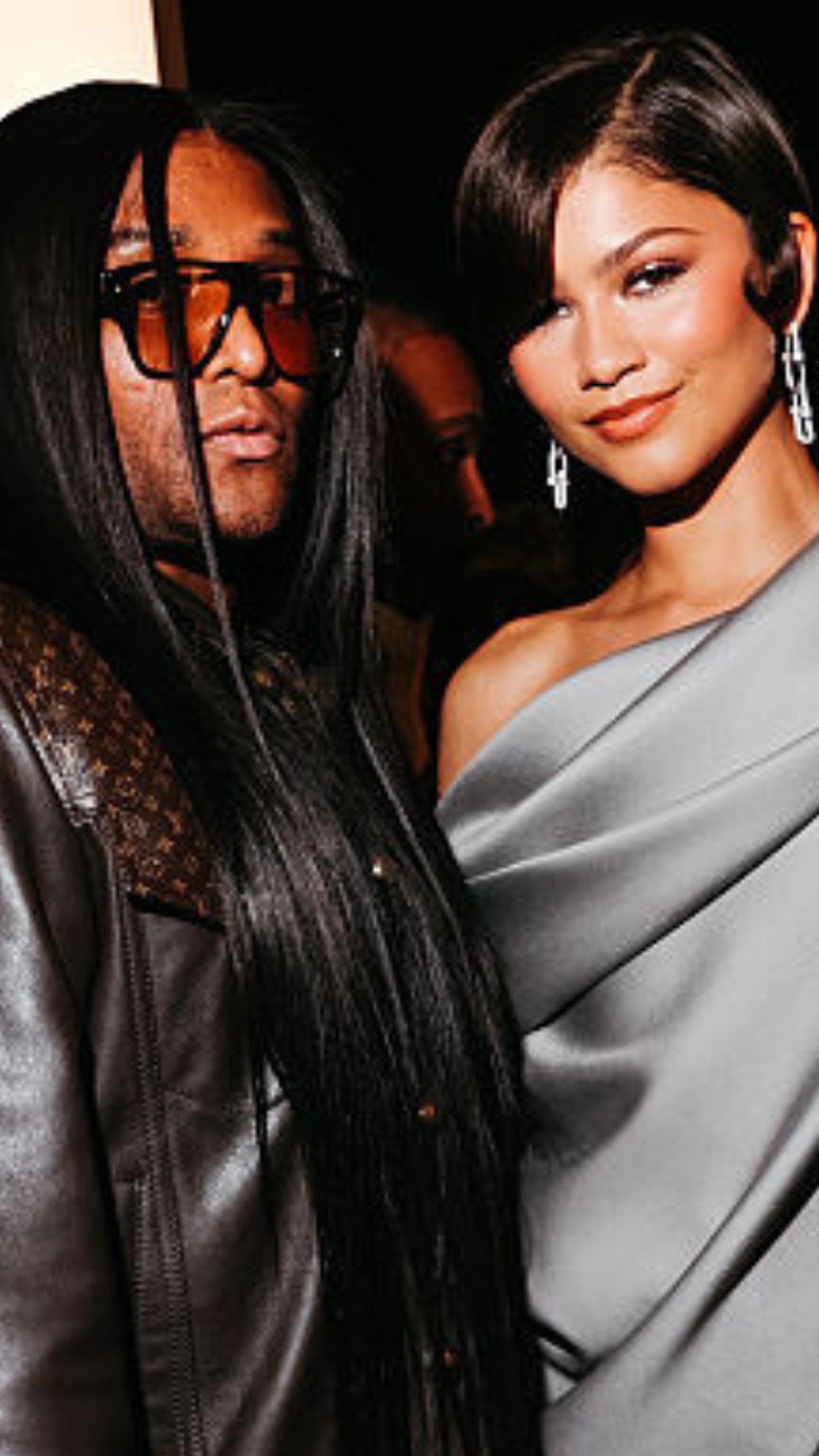
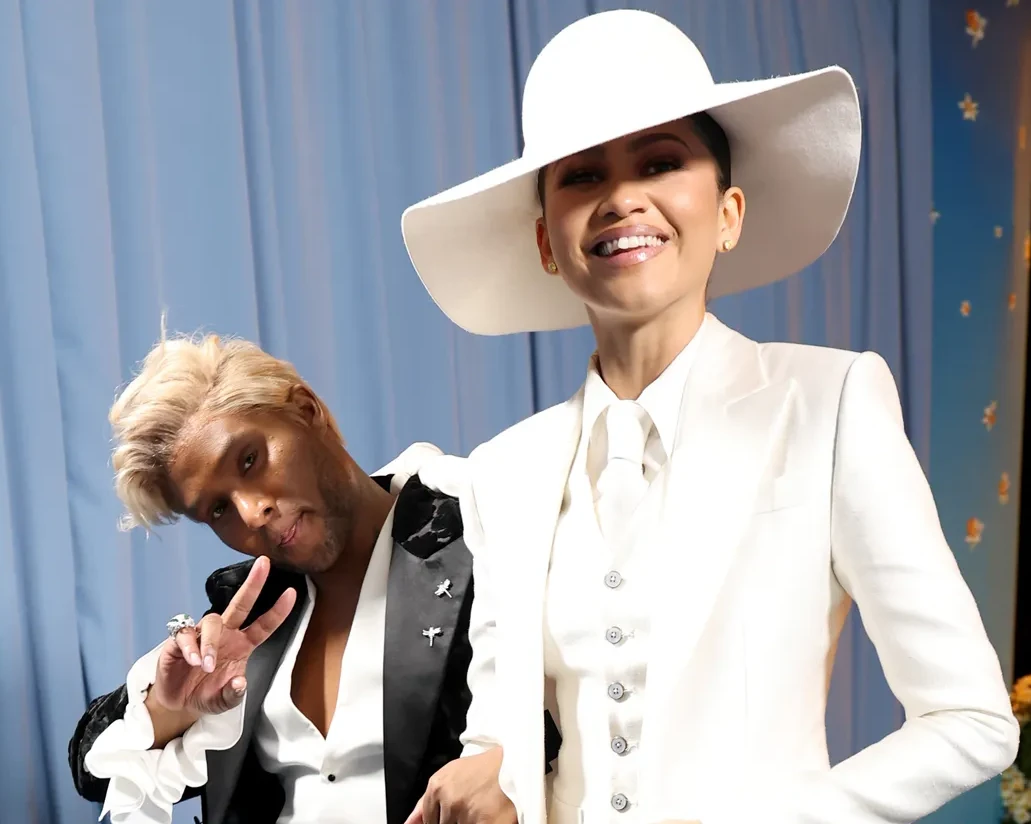
In recent years, that strategy has evolved into what is commonly described as “method dressing”—using fashion to extend the themes of Zendaya’s films onto the red carpet. Rather than treating a press tour as a sequence of unrelated outfits, Roach and Zendaya build visual narratives around the projects she is promoting.
That approach has helped turn her promotional appearances into cultural moments of their own. Bridal-inspired white ensembles have reflected the atmosphere surrounding The Drama, while spider-inspired styling has connected her fashion to the Spider-Man universe. For The Odyssey, ethereal looks drawing on the imagery of ancient Greek beauty have continued the same philosophy.
The result is a partnership in which clothing becomes another form of storytelling.
But perhaps the most important ingredient is trust.
Roach and Zendaya have worked together for so long that their relationship now extends far beyond the traditional arrangement between a celebrity and stylist. During his conversation with Ziwe, Roach described them as “one soul sharing two bodies.”
He also acknowledged that their relationship contains many different roles. At different moments, Zendaya can be his best friend, his adviser, his opponent when they disagree, or the equivalent of an annoying younger sister. Roach said he hopes he occupies just as many roles in her life.
That closeness may explain why those early fashion rejections remain significant to him even after his personal feelings have softened. To Roach, the refusals were not merely companies declining a clothing request. They happened during a formative period when he and Zendaya were attempting to convince an industry of her potential.
Today, nobody needs to make that argument.
Zendaya’s appearance on a major red carpet can generate headlines around the world within minutes. Her outfits are analyzed across social media, entertainment publications and fashion platforms. What she wears can become one of the defining images of an entire premiere or awards ceremony.
That makes Roach’s position unusually powerful.
Years ago, he was asking major designers to give Zendaya an opportunity. Today, those designers may be the ones hoping for the opportunity to dress her.
And yet Roach insists he has changed. He says he has “outgrown” the pettiness that once motivated some of his decisions. He can wear Saint Laurent himself and apparently laugh about grudges he once took very seriously.
But when the question becomes whether Zendaya will walk onto a red carpet wearing one of the labels that allegedly rejected her before she became a superstar, his answer remains remarkably simple.
No.
Whether that answer will remain permanent is another question. Fashion relationships change, contracts evolve and even long-standing disputes can eventually disappear. Roach himself has already admitted that he no longer feels exactly as he once did.
Still, there is an undeniable irony at the heart of the story. Some of the most powerful fashion houses in the world allegedly decided years ago that Zendaya was not yet important enough for their clothes. Now she has become so influential that her stylist can decide those same brands may not be important enough for her red carpet.
Roach may have released the grudge—but judging by that one-word answer, he certainly hasn’t forgotten the receipts.