Grammy-Nominated Singer Jubilant Sykes Stabbed More Than 70 Times; Son Charged With Murder.945

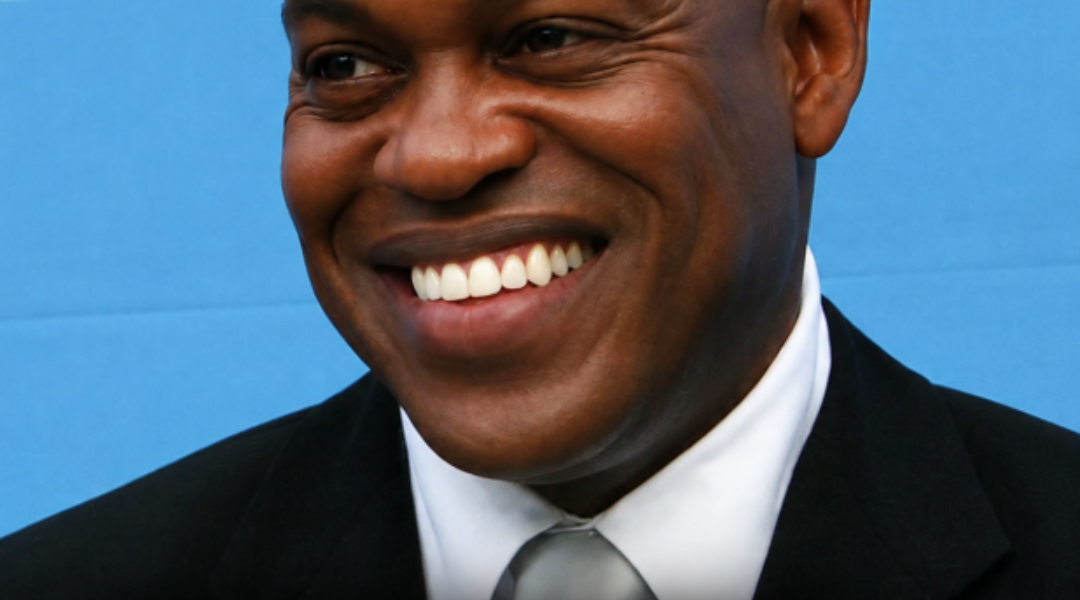
New details have emerged in the death of Grammy-nominated opera and gospel singer Jubilant Sykes, revealing the extraordinary level of violence authorities say unfolded inside his Santa Monica home. According to an autopsy report obtained by Us Weekly, the celebrated baritone suffered more than 70 injuries before his death, and his 31-year-old son, Micah Sykes, is now charged with murdering him. Jubilant Sykes was 71 years old.
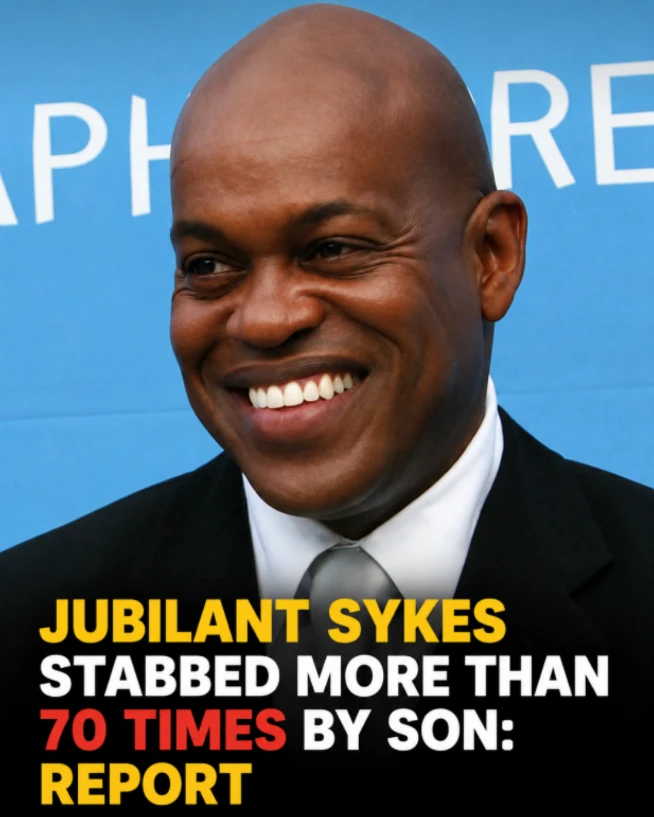
Sykes was found dead inside his California home on December 8, 2025. What initially emerged as a shocking family tragedy has become even more disturbing with the release of information from the autopsy report. According to the document, Sykes suffered 68 sharp-force injuries along with five blunt-force injuries. Investigators reportedly recovered a curved knife near the scene with a blade measuring approximately nine inches long and two inches wide, which authorities believe may have been used during the attack. A 10-pound dumbbell with what appeared to be blood stains was also reportedly recovered nearby.
The medical examiner determined Sykes’ manner of death to be homicide.
The person who called police that night was Sykes’ wife, Cecelia Sykes. According to the report, she told authorities that their adult son, Micah, had attacked and killed his father. Cecelia reportedly explained that she had been taking a shower when she suddenly heard her husband calling out for help.
When she left the shower to find out what was happening, she encountered a horrifying scene.
According to the report, Cecelia saw Micah standing over Jubilant and repeatedly attacking him with what authorities described as a sharp-edged weapon. Emergency authorities were contacted, but Sykes could not be saved.

Micah Sykes was arrested in connection with his father’s death and charged with murder. He has remained in custody without bond as the criminal case moves through the court system.
Prosecutors have also raised serious questions about Micah’s mental health history. According to reports cited by ABC7, prosecutors said Micah had previously been diagnosed with schizophrenia and was expected to take medication as part of his treatment. Authorities alleged that at the time surrounding the killing he may have been either insufficiently medicated or not following recommendations from his doctor.
Those circumstances are expected to become an important issue as the case proceeds, although a mental health diagnosis by itself does not determine criminal responsibility. The court will ultimately have to consider the evidence, Micah’s mental condition and any arguments presented by prosecutors and the defense.
His arraignment had initially been expected to take place earlier, but local reports said the proceeding was postponed until August 6.
For Sykes’ family, the legal process follows an unimaginable loss: a husband and father allegedly killed inside his own home by his adult son. For the music world, the case has also brought renewed attention to the life and career of a performer whose voice took him to some of the most prestigious stages in the United States.
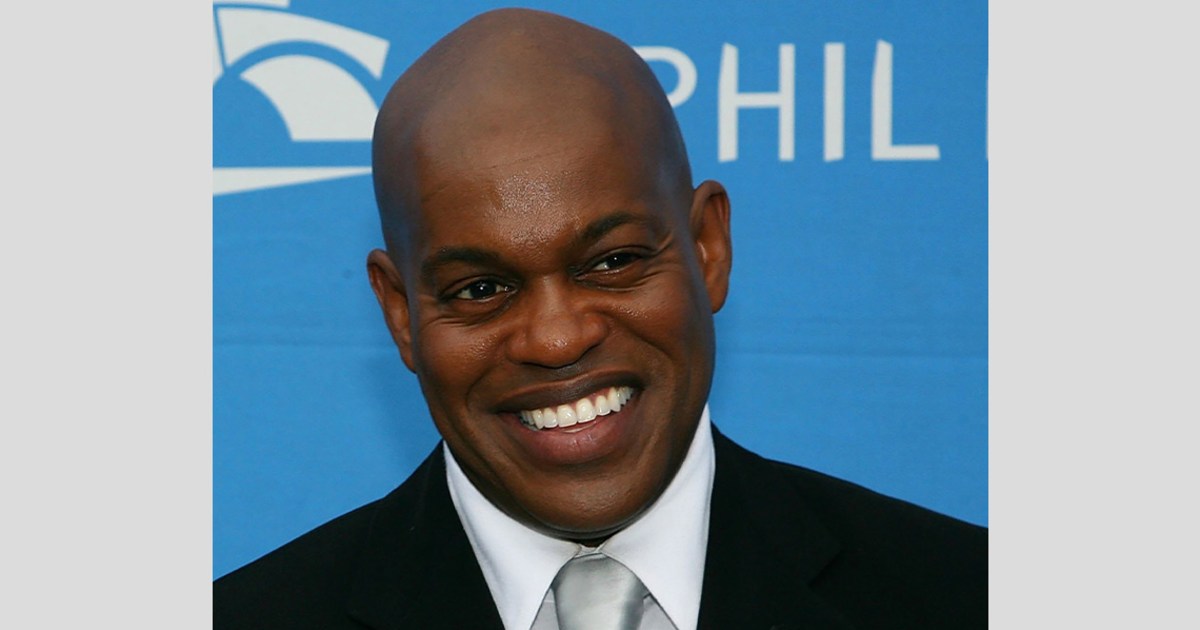
Jubilant Sykes was far more than a conventional opera singer. Known for his powerful baritone voice, he built a career that crossed musical boundaries, performing opera, gospel, jazz and other styles. That versatility helped him reach audiences who might not ordinarily have followed classical vocal music.
Over the course of his career, Sykes appeared at internationally recognized venues including Carnegie Hall, the Metropolitan Opera and the Apollo Theater in New York City. His work earned him a Grammy nomination and established him as a respected figure across multiple musical communities.
His death therefore shocked people not only because of the circumstances but because of the contrast between the public image of an accomplished performer and the private violence investigators say occurred inside his family home.
For decades, Sykes had been associated with music, performance and faith. His appearances at major institutions reflected the level of respect he had earned as a vocalist. Yet the final moments of his life, according to investigators, unfolded far from the stage in an act of violence that authorities say involved both a sharp-edged weapon and blunt-force trauma.
The autopsy findings provide a disturbing picture of the attack. The reported 68 sharp-force injuries alone indicate that the violence was extensive. Investigators also documented five blunt-force injuries, while the presence of the blood-stained dumbbell has become another significant part of the physical evidence recovered from the home.
Exactly how prosecutors will reconstruct the sequence of events has not yet been fully presented in court. The autopsy findings, recovered weapons, statements from Cecelia and information about Micah’s mental health are likely to become central pieces of the case.
One of the most difficult elements will be determining Micah’s mental condition before and during the alleged attack. Prosecutors have already acknowledged his documented history of schizophrenia while arguing that he should remain detained. Future proceedings could include evaluations intended to determine whether he is competent to stand trial and, separately, whether his mental condition has any bearing on criminal responsibility.
Those are different legal questions. Competency generally concerns whether a defendant is currently able to understand the proceedings and assist in his defense, while questions about mental state at the time of an alleged crime can affect how responsibility is evaluated. Any conclusions in Micah’s case will depend on medical evidence, expert testimony and the applicable law.
For now, he remains accused rather than convicted. The murder charge must still be proven in court, and he is entitled to the presumption of innocence throughout the legal process.
The tragedy has nevertheless left an unmistakable void in the career of Jubilant Sykes. At 71, he had accumulated decades of performances and recognition, standing on stages that represent career milestones for singers around the world. Carnegie Hall, the Metropolitan Opera and the Apollo Theater each represent very different musical traditions, and Sykes’ ability to perform across those spaces illustrated the range that defined his career.
His death has now placed his name in a very different kind of headline.
What happened inside the Sykes home on December 8 remains the subject of an active criminal case, and the upcoming court proceedings may reveal more about the hours leading up to the attack, Micah’s mental state and whether there were warning signs before the violence erupted.
For those who knew Jubilant Sykes through his music, however, the brutality described in the autopsy report is difficult to reconcile with the performer they remember. A Grammy-nominated singer whose voice once filled some of America’s most celebrated venues died inside his own home, allegedly at the hands of his son.
And when Micah Sykes returns to court, the case will likely confront an even harder question: how did a family struggling with serious mental illness reach a point where one of its most accomplished and beloved members lost his life in such a devastating way?