ANDY BURNHAM’S BREXIT BOMBSHELL ERUPTS – IS HE PREPARING TO DRAG BRITAIN BACK INTO EUROPE THROUGH THE BACK DOOR? . HYN

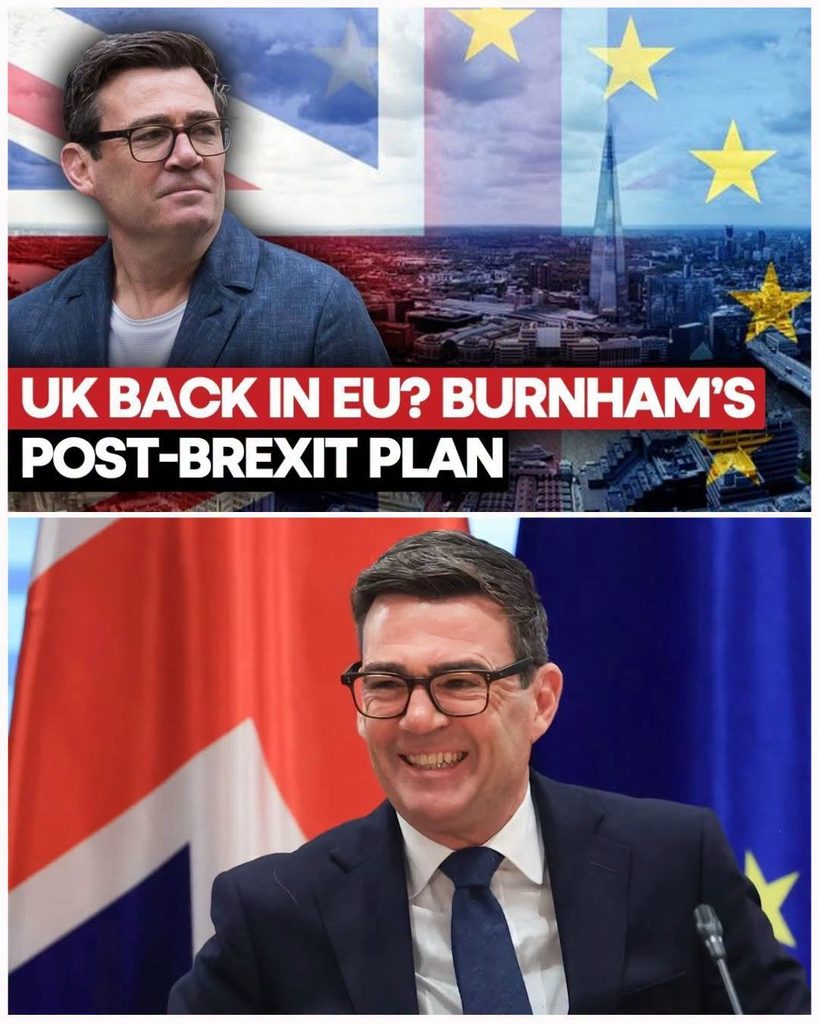
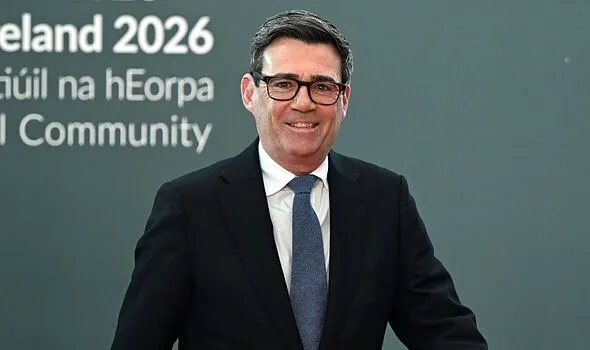
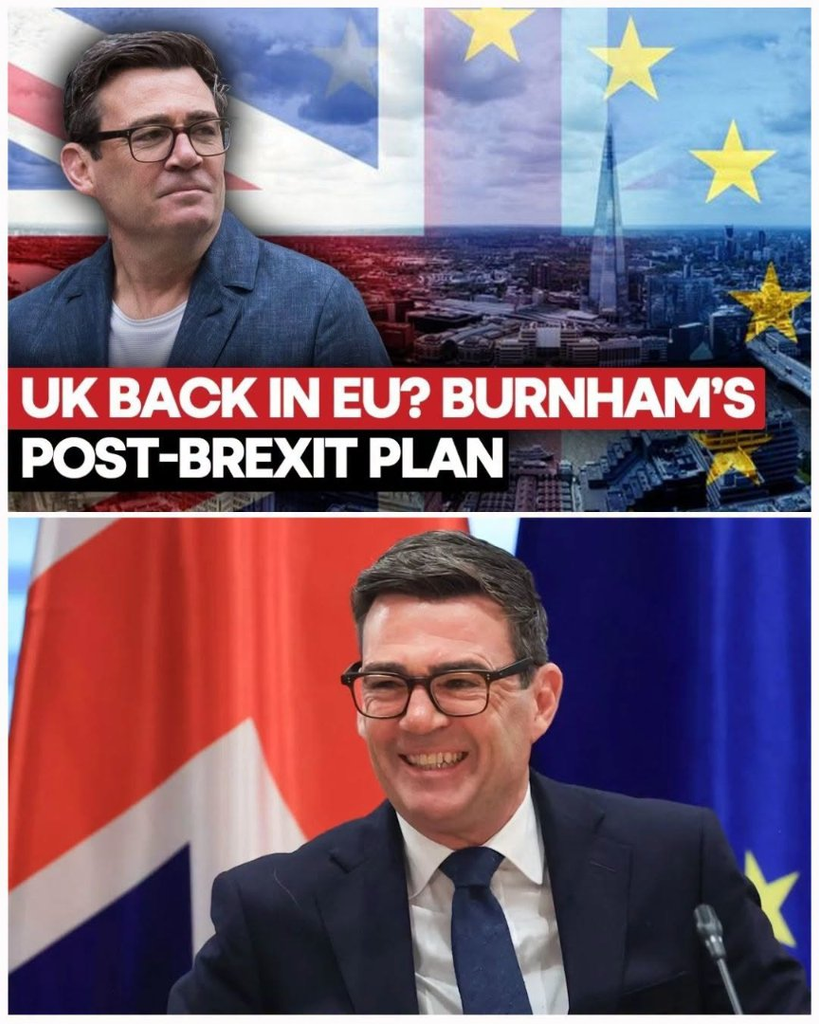
Andy Burnham has said a ‘win-win’ deal could be struck with the EU (Image: GETTY)
Andy Burnham has said a “win-win” deal could be struck with the EU that could be “more like the Brexit that people thought they were voting for in 2016”.
The Prime Minister also insisted his bid to reopen the debate on the UK’s future relationship with the bloc has helped negotiations for a series of deals ahead of next week’s summit.
Mr Burnham is due to meet EU leaders at a summit in Brussels next week and sign a series of agreements on food and farming, emissions trading and youth mobility.
He said Britain will then “explore options” for a different long-term relationship with the club that the country left 10 years ago.
Speaking at the European Political Community (EPC) summit in Ireland, Mr Burnham said: “The requests are coming from the European side.
We are putting our requests on the table too.
“I believe there is a good deal to be done that could be a win-win for Britain and Europe.
“I think it actually could be more like the Brexit that people thought they were voting for in 2016.
“I don’t think people thought they were going to get a Brexit as hard as the one that finally came through at the end of 2019.
“It was much harder than Theresa May’s deal when she was trying to come up with an arrangement.
“So let’s see where we get to in the next in the next seven days.
But I think in the end, what we get could be good for Britain, but also closer to what people voted for at the referendum.”
He did not reject that he could offer discounted tuition fees to young Europeans as part of talks, adding: “There’s a lot of issues on the table as part of a deal and I’m certainly one that supports greater youth exchange between the UK and Europe.”
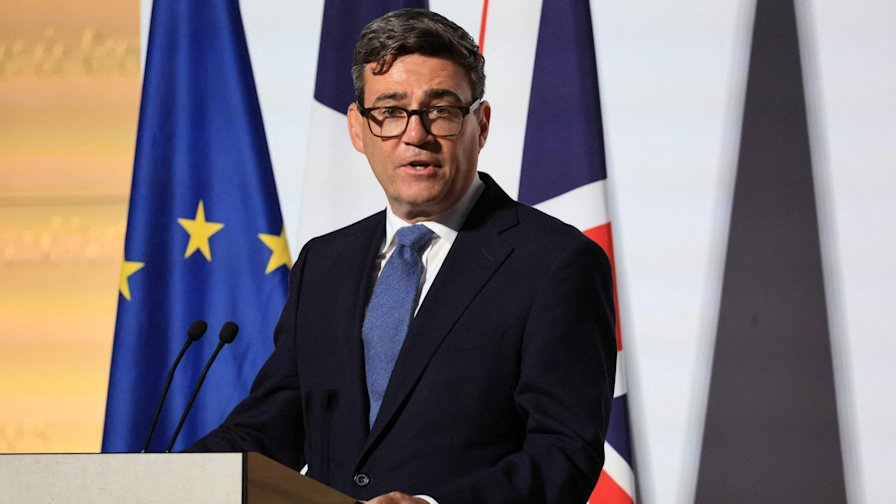
Asked if his move to reopen debate on the UK-EU relationship had helped or hindered negotiations, Mr Burnham said: “I think it has helped, but there’s a long way to go.”
He said he would “fight now, over the days to come, to make sure we get this deal over the line”.
It comes after former Tory prime minister and arch-Remainer David Cameron warned against rejoining the EU in a bombshell intervention.
ANDY BURNHAM’S BREXIT BOMBSHELL ERUPTS – IS HE PREPARING TO DRAG BRITAIN BACK INTO EUROPE THROUGH THE BACK DOOR?
Britain’s political landscape has been shaken by a growing controversy surrounding Prime Minister Andy Burnham and his plans to reshape the country’s relationship with the European Union. His latest comments have reignited the Brexit debate, raising serious questions about whether the Labour government is gradually preparing Britain for a return to closer European integration. While Burnham insists that his priority is securing a better deal for British businesses and ordinary families, critics fear that his strategy could eventually lead the country back towards EU membership without voters being fully aware of the long-term consequences.
The controversy has become increasingly intense as Burnham openly questions the benefits of Britain’s departure from the European Union. He has described the existing Brexit arrangements as inadequate and argued that Britain has lost more than it has gained. His position represents a significant change in the political conversation, particularly because Labour previously promised not to rejoin the EU, the single market or the customs union during its current parliamentary term.
For Brexit supporters, these developments are deeply concerning. They believe the 2016 referendum delivered a clear democratic instruction: Britain should leave the European Union and regain control over its national affairs. More than 17 million people voted Leave, representing approximately 52 per cent of those who participated. They argue that politicians should respect this decision rather than gradually introducing policies that could undermine the country’s independence.
Burnham, however, insists that Britain cannot simply ignore the economic and political realities that have emerged since Brexit. He believes that the country needs a more constructive relationship with its European neighbours and that maintaining the current arrangements indefinitely would be a mistake. His argument is that Britain should examine every available option and determine what would provide the greatest benefits for the national economy.
One of the most controversial aspects of his approach is the possibility of discussing Britain’s long-term relationship with the EU beyond the existing political commitments. Burnham has indicated that he would like Britain to rejoin the European Union during his lifetime, although he has ruled out pursuing membership during the current parliamentary term.
This distinction has done little to calm his political opponents. They argue that discussing future membership while negotiating closer economic arrangements creates uncertainty about the government’s real intentions. They fear that smaller agreements could gradually move Britain towards European integration, making a future return to membership appear increasingly inevitable.
The government recently strengthened this debate through its November 20 summit with European leaders in Brussels. Burnham secured agreements and commitments involving food trade, energy cooperation, carbon markets and youth mobility. His supporters described the arrangements as practical steps that could reduce unnecessary barriers and improve economic opportunities.
However, critics questioned whether these agreements represented the beginning of a much larger political shift. They argue that regulatory alignment and closer cooperation could gradually reduce Britain’s freedom to establish independent policies. From their perspective, the government must explain precisely where it intends to draw the line between practical cooperation and deeper European integration.
Trade is one of the strongest arguments presented by supporters of Burnham’s approach. The European Union remains one of Britain’s most important trading partners, and British companies depend on access to European markets. Since Brexit, businesses have faced additional customs procedures, documentation requirements and regulatory barriers. These difficulties have been particularly challenging for smaller exporters.
Burnham believes that improving trade arrangements could help British businesses compete more effectively. Reducing unnecessary paperwork and establishing common standards in selected industries could make it easier for British products to reach European customers. Supporters argue that such improvements could encourage investment, strengthen manufacturing and create employment opportunities.
Nevertheless, Brexit supporters insist that economic cooperation should not come at the expense of national sovereignty. They argue that Britain should have the freedom to establish its own regulations and negotiate trade agreements with countries around the world. They also question whether closer alignment with European rules could limit the economic advantages that Brexit was supposed to deliver.
Immigration is another major issue at the heart of the controversy. One of the central promises of the Leave campaign was that Britain would regain control over its borders and immigration policies. Many voters believed that leaving the EU would allow the government to determine independently who could enter the country and under what conditions.
Burnham has attempted to challenge the assumption that Brexit automatically delivered stronger immigration control. He has argued that leaving European cooperation mechanisms has created difficulties in areas such as identifying migrants and returning people to the countries responsible for processing their asylum claims.
His comments have generated further political disagreement. Some supporters believe that rebuilding cooperation with European authorities could help Britain manage irregular migration more effectively. Others argue that closer European integration risks creating new immigration commitments that the British public may not support.
The question of freedom of movement is particularly sensitive. Before Brexit, citizens of EU member states generally enjoyed the right to live and work in Britain, subject to the relevant rules. Many Leave voters considered ending this arrangement an important achievement. Consequently, any future proposal involving greater mobility between Britain and Europe is likely to attract considerable scrutiny.
Burnham has insisted that a return to freedom of movement is not part of the immediate negotiations. Nevertheless, his willingness to discuss Britain’s long-term relationship with Europe has created uncertainty about what might happen after the next general election.
Nigel Farage and Reform UK have emerged as some of the strongest critics of the government’s direction. Farage has repeatedly argued that Brexit was a historic democratic achievement and that any attempt to reverse it would represent a betrayal of voters. He is likely to use the controversy to challenge Labour’s credibility among people who supported leaving the European Union.
The Conservative Party has also criticised Burnham’s approach. Its representatives have warned that Labour could gradually take Britain back towards European institutions without presenting voters with a clear decision about membership. They argue that the government should focus on domestic priorities rather than reopening a political dispute that divided the country for years.
However, supporters of closer European relations reject the accusation that cooperation automatically represents a betrayal of Brexit. They argue that Britain can maintain its independence while developing practical partnerships with European countries. In their view, the world has changed considerably since 2016, and political leaders have a responsibility to reconsider policies when new circumstances emerge.
Another important question concerns democratic accountability. If Burnham eventually decides that Britain should pursue EU membership, should that decision be presented directly to voters through a referendum? Or should the public decide through a future general election in which Labour clearly explains its European policy?
These questions cannot be ignored. Rejoining the European Union would involve complex negotiations, financial commitments and acceptance of a range of membership obligations. Britain could not simply return under exactly the same arrangements it enjoyed before Brexit. European leaders would also have their own conditions and expectations.
The economic consequences would therefore need careful examination. Supporters of rejoining believe that stronger access to European markets could improve investment and economic growth. Critics warn that membership contributions, regulatory obligations and restrictions on independent trade policy could create significant costs.
Younger generations may also play an increasingly important role in this debate. Many young British people favour closer relationships with Europe because they want greater opportunities to study, travel and work internationally. They may view Brexit differently from older generations who participated in the original referendum.
Nevertheless, the government must recognise that Brexit remains a deeply personal political issue for millions of people. Some voters believe leaving the EU was essential to restoring democracy and national independence. Others believe the country made an economic mistake that should eventually be corrected. Neither perspective can simply be dismissed.
The biggest challenge facing Burnham is therefore political as much as economic. He must demonstrate that closer European cooperation can produce tangible benefits without ignoring the concerns of voters who supported Brexit. If the public begins to believe that the government is attempting to reverse the referendum result indirectly, Labour could face serious political consequences.
Ultimately, the future of Britain’s relationship with Europe will depend on the decisions made by the government, the response of European leaders and the willingness of the British public to support further changes. Transparency will be essential. Ministers must explain what each agreement involves, what obligations Britain would accept and whether any proposed changes would require additional democratic approval.
In conclusion, Andy Burnham’s latest Brexit intervention has reopened one of the most divisive political arguments in modern British history. His ambition to establish closer relations with the European Union may offer economic opportunities, but it has also created fears that Britain could gradually move towards EU membership through a series of smaller agreements. For Brexit supporters, the central issue is whether the democratic decision of 2016 will continue to be respected. For supporters of European integration, the priority is ensuring that Britain does not remain tied to arrangements they believe are damaging its economic future. The question is no longer simply whether Britain should cooperate with Europe, but how far that cooperation should go and who should have the final say. Burnham may insist that he is pursuing a better deal rather than reversing Brexit, but the political battle over Britain’s European future is clearly far from over. Ultimately, the British people deserve honesty, transparency and a genuine opportunity to decide the direction of their country.
